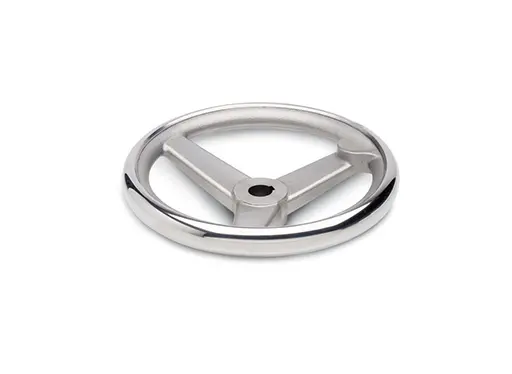
A food grade handwheel 316l is a manual control component used in hygienic industrial systems. It is designed for precise mechanical adjustment in clean production environments. The structure supports valves, mixers, and processing lines. Its stainless steel composition ensures stable performance under strict sanitary conditions. The food grade handwheel 316l is widely used in food, beverage, and pharmaceutical machinery. Engineers prefer it for consistent torque control and contamination resistance. The design reduces microbial retention and supports frequent cleaning cycles. In B2B equipment sourcing, it is considered a core interface part for safety-critical operations. It also improves operational accuracy in production lines that demand strict hygiene control.
Food Grade Handwheel 316L Material Science and Corrosion Resistance
The food grade handwheel 316l relies on low-carbon austenitic stainless steel for stability. This structure reduces carbide precipitation during welding. It improves resistance against intergranular corrosion in wet environments. Molybdenum in the alloy strengthens resistance to chlorides. This is critical in saline or acidic food processing conditions. A passive oxide layer forms naturally on the surface. This layer protects the metal from oxidation and chemical attack. The food grade handwheel 316l maintains integrity under frequent sanitation cycles. Hot water and alkaline detergents do not easily degrade its surface. Mechanical stability remains consistent even under thermal fluctuation. Engineers select this material for predictable long-term performance in regulated industries.
Key Structural Features of Food Grade Handwheel 316L Systems
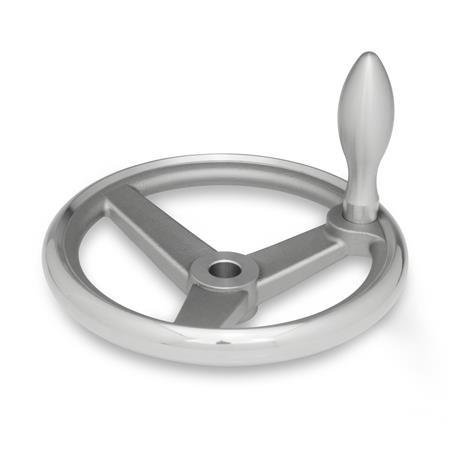
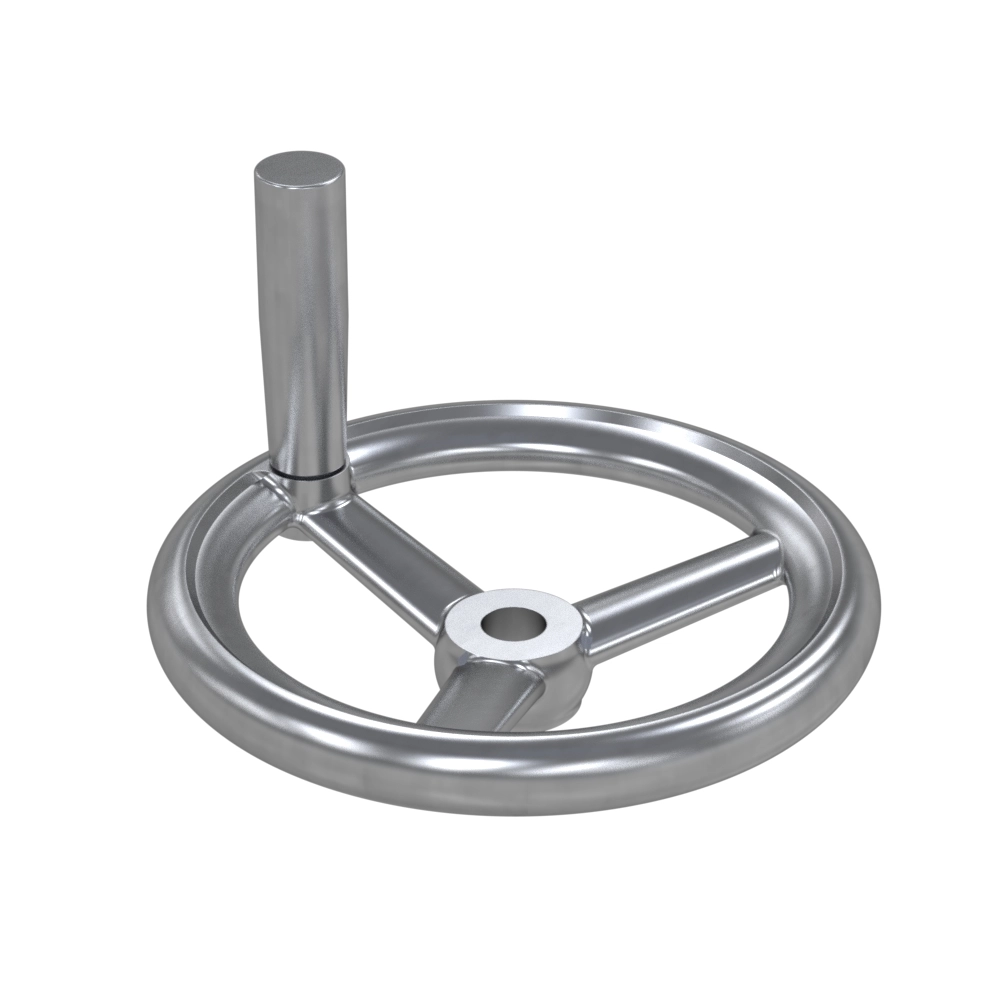
The food grade handwheel 316l integrates ergonomic and mechanical precision features. Its circular geometry ensures smooth torque transmission. The central hub connects tightly with valve stems or shafts. Surface knurling improves grip under wet conditions. This reduces slippage during operation. The structure supports both manual adjustment and fine calibration. Seal-compatible interfaces reduce contamination risk. The design also minimizes dead zones where residues could accumulate.
Core structural characteristics include:
- High-density stainless steel casting for durability
- Anti-slip surface geometry for wet environments
- Precision-machined hub for stable torque transfer
- Hygienic edge design to reduce particle trapping
- Compatibility with sanitary valve systems
Each feature improves operational reliability in controlled environments. The food grade handwheel 316l is engineered for repeated high-frequency use without deformation.
Manufacturing Standards and Surface Treatment for Food Grade Handwheel 316L
Production standards for this component follow strict hygienic engineering rules. ISO 2852 and EHEDG principles guide design validation. Surface roughness is controlled to reduce bacterial adhesion. Electropolishing is commonly used to refine micro-surface structures. This process removes microscopic peaks that trap contaminants. The food grade handwheel 316l often achieves Ra values below 0.8 μm.
| Surface Treatment | Process Description | Performance Outcome |
|---|---|---|
| Mechanical Polishing | Abrasive finishing using graded compounds | Moderate smoothness with improved aesthetics |
| Electropolishing | Electrochemical removal of surface irregularities | High hygiene level with superior corrosion resistance |
| Passivation | Nitric or citric acid treatment | Enhanced oxide layer stability |
Electropolishing is preferred in sterile environments. It increases cleaning efficiency during CIP cycles. The surface remains stable under repeated sterilization processes.
Industrial Applications of Food Grade Handwheel 316L
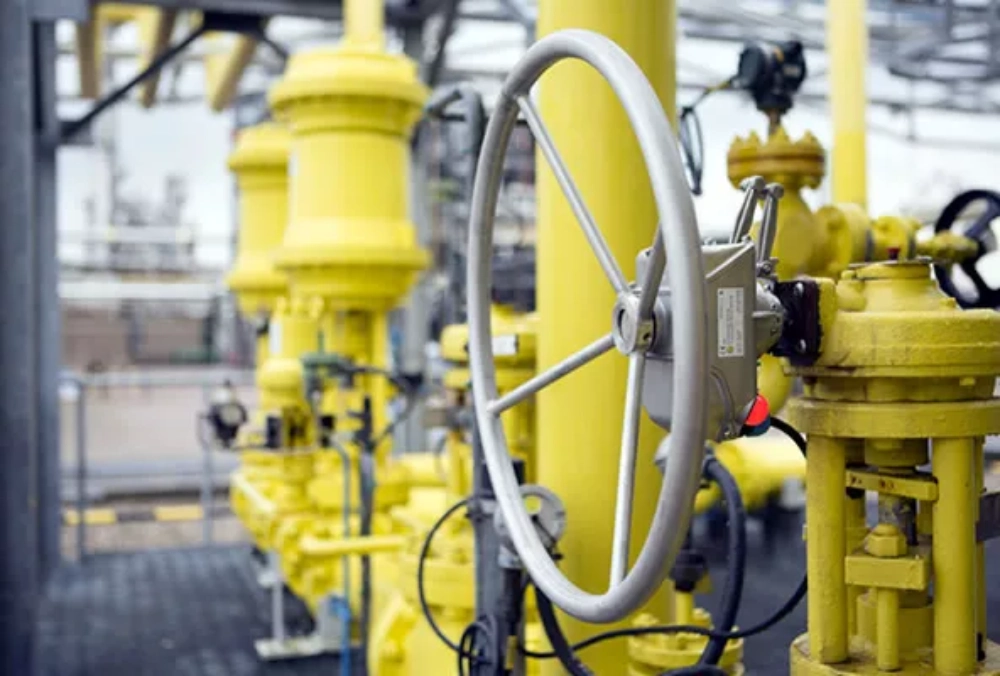
The food grade handwheel 316l is widely used in regulated production systems. It appears in beverage bottling lines where hygiene is essential. Dairy processing plants use it for valve adjustment systems. Pharmaceutical filling machines rely on its precision control capability. Chemical plants apply it in corrosion-prone environments.
A SUS304 316L adjustable handwheel is often selected for systems requiring flexible compatibility across mixed stainless steel assemblies. It allows operators to fine-tune mechanical resistance based on torque demand. This flexibility supports multi-stage production environments. The food grade handwheel 316l also performs well in high-humidity washdown zones. Its stable structure ensures consistent operation across long production cycles.
Maintenance and Cleaning Practices for Food Grade Handwheel 316L
Proper maintenance ensures long service life and hygienic compliance. CIP systems are commonly used for automated cleaning. These systems circulate detergents through equipment without disassembly. Alkaline cleaners remove organic residues effectively. Acidic solutions help eliminate mineral deposits. The food grade handwheel 316l resists both chemical categories due to its alloy structure.
| Maintenance Method | Cleaning Medium | Operational Effect |
|---|---|---|
| CIP Cleaning | Alkaline and acid cycles | Removes organic and inorganic residues |
| Manual Wiping | Neutral detergent solutions | Surface sanitation for exposed components |
| Steam Sterilization | High-temperature steam | Eliminates microbial contamination |
Steam exposure does not compromise structural integrity. Regular inspection ensures smooth mechanical rotation. Lubrication is typically unnecessary due to stainless steel properties.
Advantages and Engineering Value of Food Grade Handwheel 316L
The food grade handwheel 316l offers strong engineering advantages in industrial environments. It provides long operational life under repeated use cycles. Corrosion resistance reduces replacement frequency. This lowers maintenance costs across production facilities. Hygiene performance remains stable under aggressive cleaning schedules.
Aluminum solid Handwheels are sometimes used in non-corrosive environments, but they lack equivalent chemical resistance. Stainless steel construction provides superior durability in wet processing zones. The food grade handwheel 316l also supports high structural rigidity. It maintains alignment under mechanical load without deformation. Operators benefit from smooth torque control and consistent response. Equipment downtime is reduced due to material stability. This improves production efficiency in regulated industries requiring continuous operation.
Industrial Integration and System Compatibility
Modern production systems require modular compatibility across components. The food grade handwheel 316l integrates easily with pneumatic and mechanical assemblies. It fits standard shaft diameters used in industrial valves. Engineers often design systems with interchangeable control interfaces. This allows flexible maintenance planning. The component supports both manual override and assisted control systems. In automated lines, it functions as a backup control interface. Its predictable torque response improves operator safety. The material stability ensures consistent performance across temperature variations. System designers value its balance of hygiene and mechanical precision. This makes it suitable for cross-industry deployment.
Operational Reliability in Continuous Production Environments
Continuous production environments demand stable mechanical interfaces. The food grade handwheel 316l maintains performance under repeated operational cycles. Its structural integrity resists fatigue over long-term use. Thermal expansion remains minimal due to stainless steel composition. This ensures stable alignment in precision machinery. Operators can rely on consistent torque feedback during adjustments. The surface finish also reduces wear on contact points. This improves mechanical lifespan of connected components. In high-output facilities, reliability directly impacts production efficiency. The design supports uninterrupted workflow in regulated manufacturing sectors.
System Engineering Considerations for Hygienic Equipment
Engineering design for hygienic systems requires attention to contamination control. The food grade handwheel 316l supports this requirement through smooth geometry.
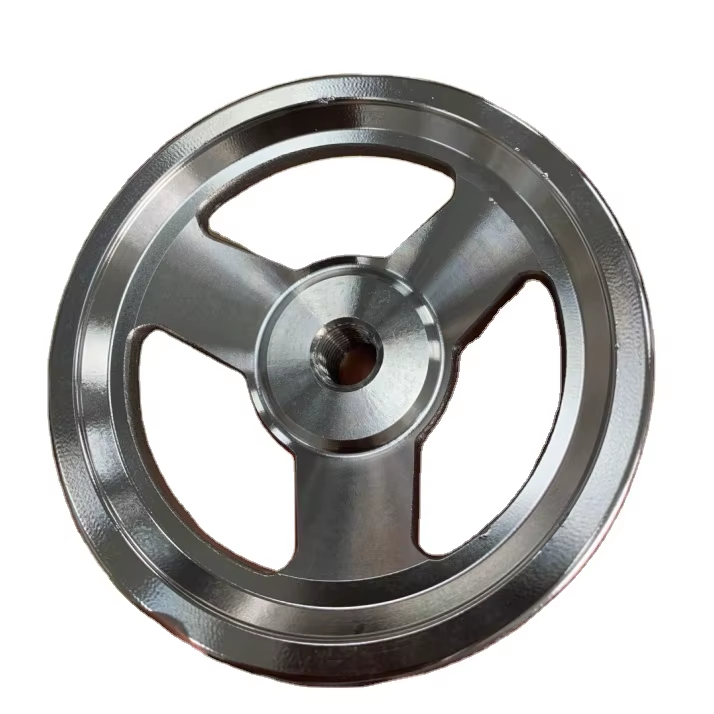
Rounded edges reduce particle accumulation zones. Material uniformity ensures predictable cleaning outcomes. Engineers also consider accessibility during maintenance operations. The handwheel design allows easy manual access without specialized tools. Compatibility with sealing systems reduces leakage risk. These factors contribute to overall system reliability. In regulated industries, engineering validation often includes repeated cleaning cycle testing. This ensures long-term compliance with safety standards.
FAQ
Why is 316L preferred in food grade handwheel systems?
316L stainless steel is preferred due to its low carbon content and strong corrosion resistance. It performs well in environments exposed to moisture, acids, and cleaning chemicals. The material resists intergranular corrosion, which is critical in sanitary applications. Its stability under repeated sterilization cycles ensures long service life. This makes it suitable for food processing, pharmaceutical, and beverage industries. Engineers also value its predictable mechanical behavior. It maintains structural integrity under temperature variation and mechanical stress. These properties reduce maintenance frequency and improve system reliability in continuous production environments.
How does surface finishing affect food grade handwheel performance?
Surface finishing directly impacts hygiene performance and mechanical durability. A smoother surface reduces microbial adhesion and residue buildup. Electropolishing improves micro-level smoothness by removing surface peaks. This enhances cleaning efficiency during CIP processes. Mechanical polishing provides baseline smoothness for non-sterile applications. Passivation strengthens the oxide layer, improving corrosion resistance. Together, these processes increase component lifespan. They also ensure compliance with strict hygiene standards. In industrial environments, surface finish quality influences both safety and operational efficiency.
What industries rely most on food grade handwheel 316L?
Food and beverage industries are primary users of this component. Dairy processing systems depend on it for valve control. Beverage bottling lines use it for flow regulation. Pharmaceutical manufacturing requires it for sterile equipment adjustment. Chemical processing plants also use it in corrosive environments. Each industry values its hygiene compatibility and mechanical stability. The component supports strict regulatory compliance requirements. It also performs well in high-frequency production cycles. Its versatility allows integration across multiple industrial systems without modification.