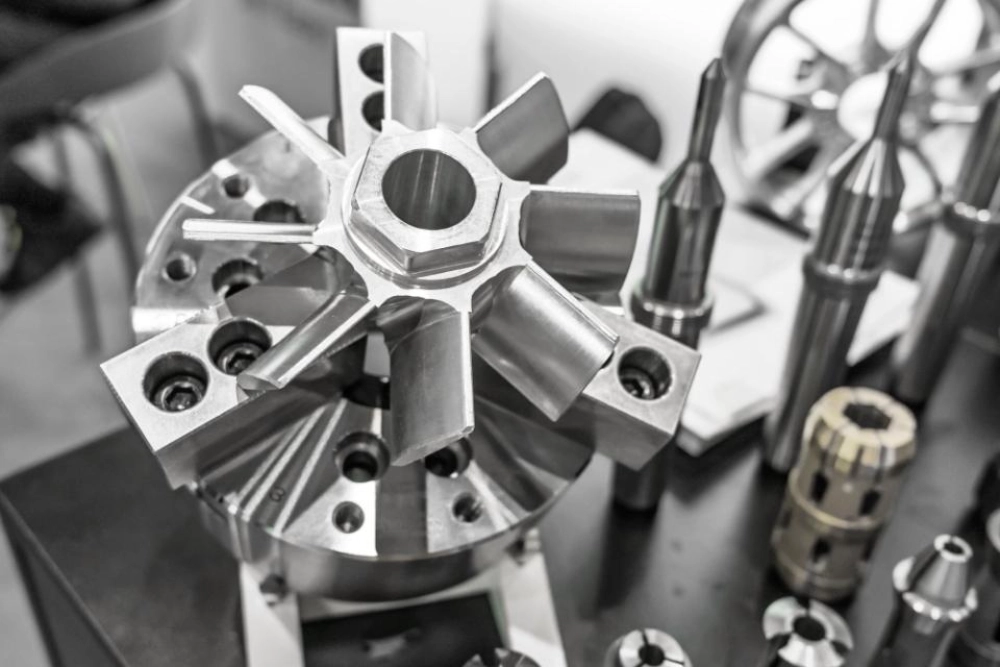
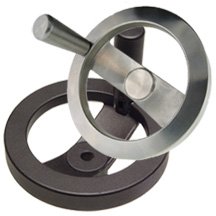
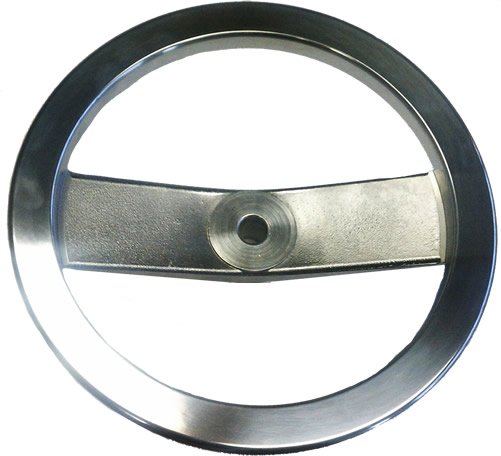
A custom handwheel manufacturer plays a central role in precision machinery control systems. Industrial equipment often requires exact manual adjustment interfaces for safety and performance. Standard components rarely match specialized torque or ergonomic needs. A tailored approach ensures consistent rotational control under demanding conditions. Engineers often evaluate diameter, grip texture, and load capacity before production begins. Manufacturing partners also align designs with operational environments such as high heat or moisture exposure. Material traceability supports long term reliability in regulated industries. Buyers in automation sectors prioritize repeatable performance and mechanical stability. Product integration improves when design matches system architecture from the beginning. This approach reduces maintenance downtime and enhances operator efficiency across production lines.
Why Work With A Custom Handwheel Manufacturer?
A custom handwheel manufacturer provides engineering flexibility that standard catalogs cannot deliver. Industrial buyers often face constraints in space, torque, and interface alignment. Custom design solves these issues through precise dimensional control and functional tuning. Engineers collaborate directly with production teams to refine mechanical performance. This reduces redesign cycles during installation stages. It also improves compatibility with legacy equipment in retrofit projects. Manufacturing customization supports branding requirements in OEM supply chains. Companies gain consistent part identity across global facilities. Risk of mechanical mismatch decreases significantly with engineered specifications. Long term procurement stability improves when designs remain consistent across batches.
Core Engineering Capabilities Of A Custom Handwheel Manufacturer
A custom handwheel manufacturer relies on CNC machining, casting, and precision finishing systems. These technologies ensure tight tolerances and repeatable geometry across production runs. Engineers analyze load distribution before finalizing spoke structure and hub design. Mechanical strength depends on optimized stress flow across rotating surfaces. Surface geometry influences grip efficiency during manual operation. Tooling systems allow scalable production without losing dimensional accuracy. Calibration equipment verifies concentricity and balance in each unit. Quality engineers document every parameter for traceability. These capabilities support industrial environments such as packaging, valve control, and machine tooling systems.
Material Selection And Performance Considerations For Industrial Handwheels
A custom handwheel manufacturer evaluates stainless steel, aluminum alloys, and engineered polymers for durability and performance. Each material serves different operational conditions. Stainless steel performs well in chemical exposure zones. Aluminum alloys reduce weight while maintaining structural strength. Polymer options improve insulation and vibration absorption. In high hygiene environments such as food processing systems, SUS304 316L adjustable handwheel configurations are often selected due to corrosion resistance, food safety compliance, and cleanability requirements under sanitary washdown conditions.
| Material Type | Key Property | Industrial Use Case |
|---|---|---|
| Stainless Steel | High corrosion resistance | Marine and chemical machinery |
| Aluminum Alloy | Lightweight strength | Automation equipment |
| Engineering Plastic | Electrical insulation | Control panels |
Material testing includes tensile strength, fatigue resistance, and thermal stability evaluation. Selection impacts lifecycle cost and maintenance intervals. Engineers balance performance against environmental exposure and load requirements.
Precision Machining And Tolerance Control In Handwheel Production
A custom handwheel manufacturer applies tight machining tolerances to ensure smooth rotational control. CNC lathes produce consistent hub alignment across batches. Dimensional accuracy affects torque transfer efficiency during operation. Small deviations can increase mechanical wear over time. Engineers monitor concentricity using digital measurement systems. Surface finishing reduces friction and improves operator comfort. Calibration ensures each unit matches engineering drawings exactly. Production teams also verify thread compatibility for mounting systems. Quality checks prevent vibration issues in high speed machinery environments. Precision directly impacts safety in industrial control applications.
Surface Treatment And Corrosion Resistance In Industrial Environments
Surface treatment defines product lifespan in harsh operating conditions. A custom handwheel manufacturer applies coatings such as anodizing, powder coating, and passivation.
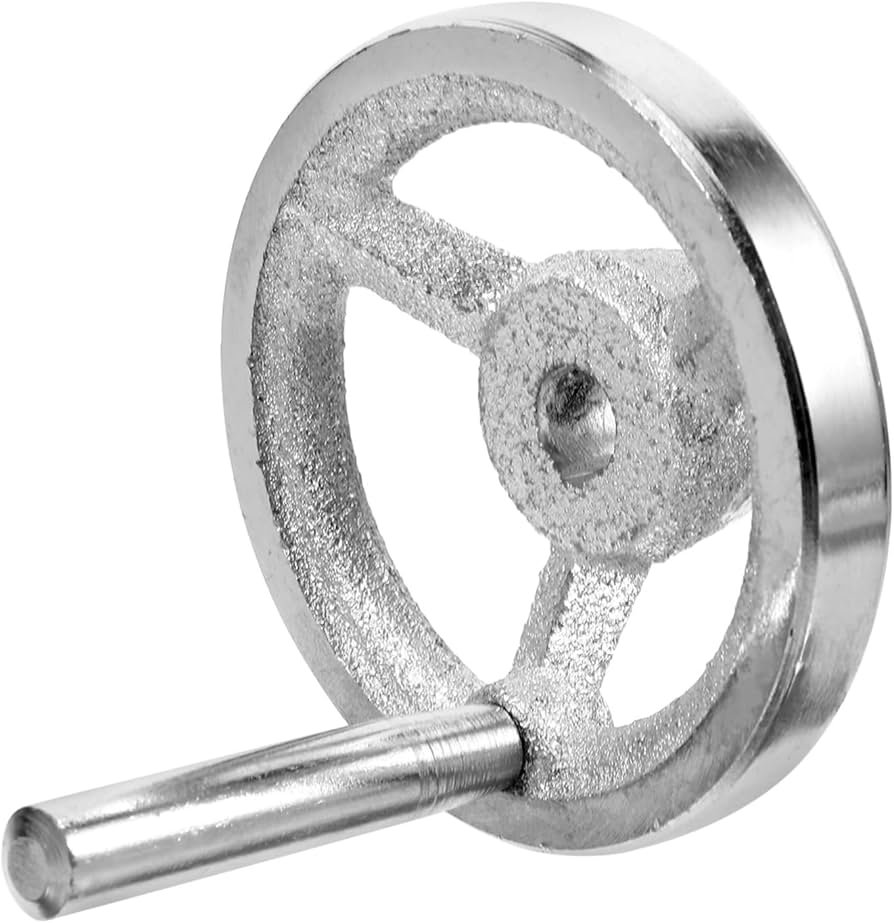
These treatments protect against oxidation and chemical attack. Industrial environments often expose components to humidity and abrasive particles. Protective layers reduce maintenance frequency and extend service life. Texture finishing also improves grip under oily or wet conditions. Engineers test coating adhesion under mechanical stress simulations.
Quality Assurance Systems In Industrial Production Of Handwheels
A custom handwheel manufacturer implements structured quality assurance systems across all production stages. Incoming material inspection verifies alloy composition and purity. In process checks monitor machining accuracy and surface integrity. Final inspection confirms torque resistance and dimensional compliance.
| Inspection Stage | Focus Area | Method Used |
|---|---|---|
| Incoming | Material composition | Spectral analysis |
| In-process | Dimensional accuracy | CNC measurement tools |
| Final | Functional testing | Torque simulation |
Documentation supports traceability for industrial audits. Statistical sampling methods identify production variation trends. Continuous improvement systems refine machining parameters. Defect classification reduces recurrence of manufacturing errors.
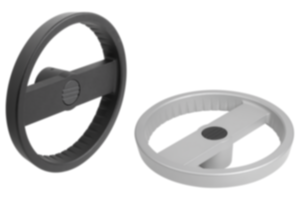
Aluminum solid Handwheels are widely used in lightweight machinery requiring fast manual adjustments, especially in automation systems where quick repositioning and reduced operator fatigue are critical design factors.
Application Scenarios In Industrial Equipment And Machinery
A custom handwheel manufacturer supplies components for diverse industrial systems. Applications include valve control, packaging machinery, and CNC equipment. Operators rely on consistent manual adjustment for process stability. Mechanical interfaces must remain intuitive under production pressure. Ergonomic design reduces operator fatigue during repetitive tasks. Custom sizing ensures compatibility with unique shaft configurations. Industrial automation systems often integrate manual overrides for safety. Handwheels provide reliable fallback control during system interruptions. Manufacturing plants value predictable mechanical feedback. Design optimization improves workflow efficiency across production lines.
Design Customization Process Workflow For Industrial Buyers
A custom handwheel manufacturer follows a structured design workflow for industrial clients. Engineers begin with requirement analysis and dimensional constraints. CAD modeling translates operational needs into mechanical geometry. Prototype production validates ergonomic and functional performance. Testing ensures alignment with torque and load expectations. Feedback loops refine final design before mass production. Collaboration between client and engineer reduces design errors. Documentation ensures reproducibility across global supply chains. Manufacturing approval depends on validated performance metrics. Final output matches both technical and operational expectations.
Cost Structure And Production Efficiency In Custom Manufacturing
A custom handwheel manufacturer calculates cost based on material, machining complexity, and finishing requirements. Complex geometries require longer CNC cycles. High grade alloys increase raw material expenses. Surface treatments add additional processing stages. Batch size influences per unit production efficiency. Larger orders reduce setup cost distribution. Automation improves consistency and lowers labor dependency. Engineering optimization reduces material waste during machining. Supply chain stability also impacts pricing consistency. Long term contracts often stabilize procurement budgets.
Supply Chain And Delivery Reliability In Global B2B Procurement
A custom handwheel manufacturer maintains structured logistics systems for global delivery. Production scheduling aligns with demand forecasting. Inventory management reduces shipment delays. Packaging design protects components during international transport. Lead time depends on machining complexity and coating processes. Real time tracking improves procurement visibility. Backup suppliers reduce raw material disruption risks. Export documentation ensures smooth customs clearance. Reliability strengthens long term buyer relationships. Consistent delivery supports continuous manufacturing operations.
Compliance Standards For Industrial Handwheel Manufacturing
A custom handwheel manufacturer complies with multiple internationally recognized standards to ensure safety, consistency, and global usability. Core material compliance follows RoHS (Restriction of Hazardous Substances) to limit harmful elements, and REACH regulation to control chemical safety in raw materials. Food-grade applications may require FDA-compliant material certification, especially for stainless steel components used in hygiene-sensitive systems. Mechanical performance verification often aligns with ISO 9001 quality management systems, ensuring controlled production processes and traceable inspection records. In some industrial projects, DIN and ASTM material standards are referenced to confirm mechanical strength and composition accuracy. Environmental responsibility is supported through ISO 14001 systems, which regulate waste control and sustainable production practices. Electrical or safety-related assemblies may also require CE marking for European market entry. These layered standards ensure each product meets strict operational, environmental, and safety expectations across different industrial sectors.
Choosing The Right Manufacturing Partner For Long Term Value
A custom handwheel manufacturer should demonstrate technical capability, production stability, and engineering depth. Buyers evaluate machining precision and material expertise. Communication efficiency also impacts project success. Transparent documentation supports procurement decisions. Scalability ensures future demand can be met consistently. Engineering support reduces product development cycles. Reliability in delivery strengthens supply chain resilience. Long term partnerships reduce procurement uncertainty. Strategic alignment improves product lifecycle management. Supplier evaluation should include both technical and operational criteria.
What does a custom handwheel manufacturer typically provide
A custom handwheel manufacturer provides engineered manual control components designed for industrial systems. Services include design consultation, material selection, CNC machining, and surface finishing. Production teams also handle prototyping and testing before mass manufacturing. These manufacturers adjust dimensions, grip styles, and torque performance based on application needs. Quality systems ensure consistent output across batches. Documentation supports traceability for industrial compliance. Packaging and logistics services often support global distribution requirements. Buyers receive components tailored for machinery integration rather than standard catalog parts. This improves system reliability and reduces mechanical mismatch during installation.
How is a custom handwheel different from standard options
Custom handwheels differ from standard options through engineering specificity and application alignment. Standard parts follow fixed dimensions and limited material choices. Custom production allows precise adaptation to torque requirements and spatial constraints. Engineers optimize grip design for operator comfort and safety. Material selection matches environmental exposure such as corrosion or heat. Performance testing ensures compatibility with industrial machinery systems. Customization also supports branding needs in OEM production. Standard options often require system adjustments during installation. Custom solutions reduce modification costs and improve operational efficiency across equipment lines.
What factors affect lead time and pricing in production
Lead time and pricing depend on material selection, machining complexity, and order volume. High precision requirements increase production time due to tighter tolerances. Specialized coatings extend finishing stages in the workflow. Raw material availability also influences scheduling stability. Larger batch sizes reduce per unit cost through efficiency scaling. Prototype development adds additional engineering time before mass production. Supply chain conditions may affect delivery consistency. Quality inspection requirements can extend final approval cycles. Coordination between engineering and procurement teams helps optimize timelines. Predictable planning improves cost control and reduces operational delays in manufacturing projects.