Custom machine handles play a critical role in improving industrial equipment performance across demanding production environments. The keyword custom machine handles defines components designed for precision control and operational stability. These handles directly influence how operators interact with machines during repetitive tasks. A well-designed handle reduces unnecessary movement and improves workflow efficiency. In high-load environments, consistent grip control helps maintain process accuracy. Equipment reliability also increases when interface components are engineered specifically for application needs. Industrial buyers often prioritize stability, safety, and long-term durability when selecting hardware. Customization allows manufacturers to align handle geometry with machine structure. This alignment reduces mechanical stress and improves usability during continuous operation cycles in factories.
Custom Machine Handles for Ergonomic Industrial Design
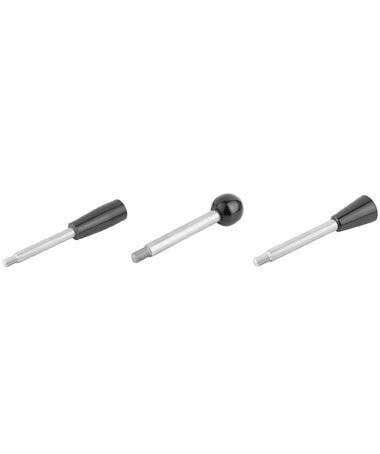
Ergonomic engineering is essential in industrial environments where operators work extended shifts. Custom machine handles are designed with human biomechanics in mind. Proper grip diameter reduces strain on fingers and wrists during repetitive operation. Smooth curvature supports natural hand positioning under load conditions. Industrial designers also consider vibration absorption during machine activity. Improved ergonomics directly reduces workplace fatigue and enhances productivity. Operators can maintain consistent performance without excessive physical stress. Material texture also influences grip security in wet or oily environments. Engineers test different surface patterns to improve friction control. In some assembly systems, folding handles are used to optimize space efficiency and prevent accidental obstruction during machine storage or transport operations in compact industrial setups.
Material Selection in Custom Machine Handles Manufacturing
Material selection determines durability, corrosion resistance, and mechanical strength in industrial components. Custom machine handles are commonly produced using stainless steel, aluminum alloy, or reinforced polymers. Each material offers distinct performance advantages depending on operating conditions. Stainless steel provides excellent corrosion resistance in humid or chemical environments. Aluminum reduces overall weight while maintaining structural integrity under moderate loads. Engineering plastics offer insulation and cost efficiency in low-stress applications. Surface finishing techniques such as anodizing or powder coating improve wear resistance and appearance stability. Thermal resistance also plays a role in environments with heat exposure. Mechanical testing ensures each material meets load-bearing requirements before mass production begins in industrial manufacturing facilities.
| Material Type | Key Advantage | Typical Application |
|---|---|---|
| Stainless Steel | High corrosion resistance | Food processing equipment |
| Aluminum Alloy | Lightweight structure | Portable machinery systems |
| Engineering Plastic | Cost efficiency | Light-duty industrial tools |
Material performance evaluation in industrial handle manufacturing ensures long-term operational reliability. Engineers analyze tensile strength, fatigue resistance, and environmental adaptability during material selection. Each category undergoes controlled testing to simulate industrial working conditions. Stainless steel remains dominant in corrosive environments due to its passive oxide layer protection. Aluminum alloys are preferred in systems requiring frequent movement or repositioning. Plastic-based solutions are optimized for electrical insulation and lightweight assemblies. Manufacturers also consider cost-performance balance when recommending materials for bulk production. Proper selection reduces maintenance frequency and extends component lifespan in industrial applications.
Precision Engineering Standards in Industrial Handle Production
Precision engineering defines structural reliability of industrial components. Tight tolerance control ensures stable machining outcomes across production lines. CNC systems maintain dimensional accuracy during high-volume manufacturing. Even small deviations can affect alignment and operator safety. Engineers follow ISO 9001 requirements for quality management systems. They also apply ISO 2768 for general dimensional tolerances in mechanical parts. ISO 286 standards define limits and fits for assembly compatibility. Geometric accuracy follows ISO 1101 rules for form and position control. Machine tool performance is verified using ISO 230 testing procedures. Surface flatness and hole positioning are checked with digital measurement equipment. Consistent calibration ensures repeatable results across batches. Quality teams conduct sampling inspections before shipment approval. Stable geometry improves vibration resistance and operational stability. These international frameworks support uniform manufacturing quality across global supply chains in industrial equipment production.
Manufacturing Process Behind Custom Machine Handles
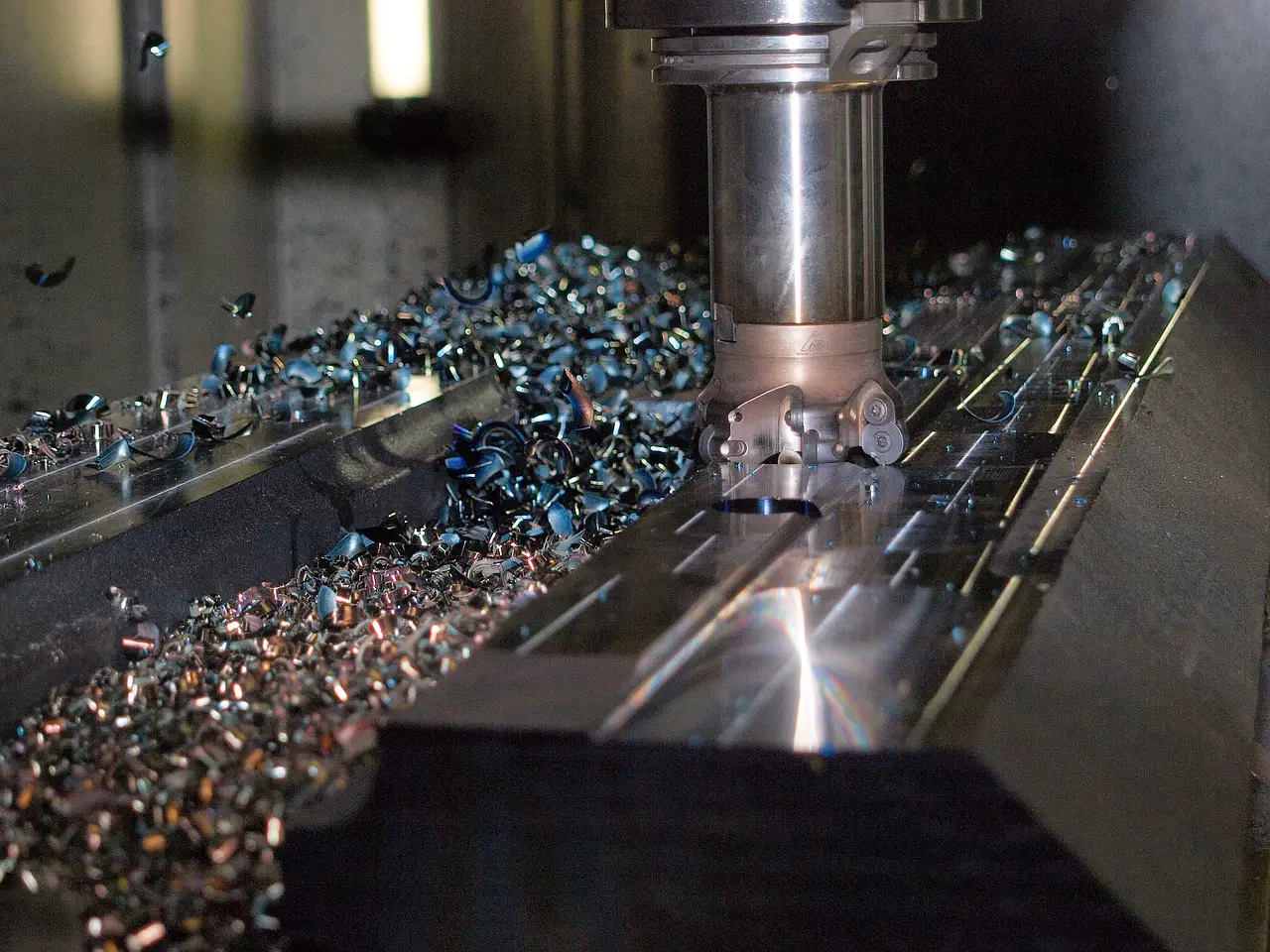
The manufacturing workflow for custom machine handles begins with digital modeling and CAD design validation. Engineers simulate load conditions before physical prototyping. Prototypes help identify structural weaknesses and ergonomic issues early. CNC machining then produces high-precision components for testing. Surface treatment processes follow machining to enhance durability and corrosion resistance. Batch production relies on automated tooling systems for consistency. Each stage includes dimensional inspection and mechanical verification. Quality control teams monitor defect rates throughout production cycles. This structured process reduces production errors and ensures stable output quality. Industrial buyers benefit from predictable performance and reduced replacement frequency across large-scale machinery installations.
Custom Machine Handles for Equipment Compatibility and Integration
Seamless integration across industrial systems depends on properly designed custom machine handles. Manufacturers use custom machine handles to adapt hardware to specific machine structures. Such adaptation improves installation efficiency and reduces modification work during assembly. OEM and ODM services provide flexible customization options for multiple industries.Engineers evaluate mounting systems, torque requirements, and spatial constraints before production.
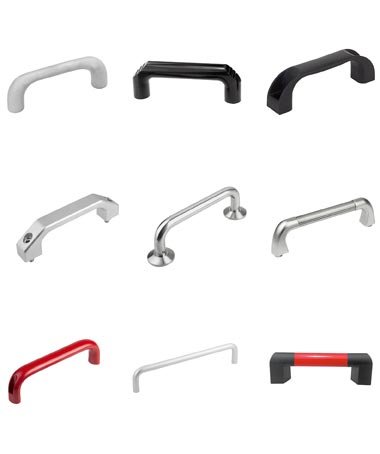
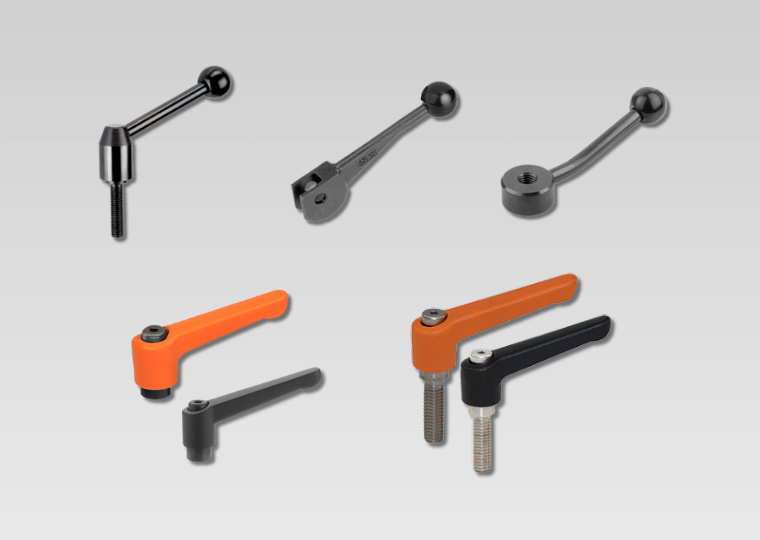
Compatibility supports smooth interaction between mechanical components and operator interfaces. In some mechanical systems, crank handles are applied for precise manual adjustments requiring rotational control. Standardized interface design improves interchangeability across production lines and systems. Proper integration reduces downtime during maintenance and enhances overall system efficiency in industrial environments.
Cost Efficiency and Long-Term Value of Custom Machine Handles
Cost efficiency is a major factor in industrial procurement decisions. Custom machine handles reduce long-term operational expenses through durability and reduced replacement frequency. Initial customization may increase upfront investment, but lifecycle savings are significant. Maintenance requirements decrease when components are engineered for specific applications. Reduced downtime improves overall production output and profitability. Supply chain efficiency also improves through standardized bulk manufacturing. Companies benefit from fewer part variations and simplified inventory management. Return on investment increases when equipment operates consistently without frequent mechanical failure. Long-term value is achieved through balanced material selection and precision engineering practices in industrial production systems.
| Cost Factor | Impact | Benefit |
|---|---|---|
| Maintenance Frequency | Reduced downtime | Higher productivity |
| Material Durability | Long service life | Lower replacement cost |
| Production Standardization | Inventory simplification | Supply chain efficiency |
Cost analysis in industrial handle sourcing demonstrates long-term financial advantages for industrial buyers. Reduced maintenance cycles lower operational interruptions. Durable materials extend product lifespan under continuous use. Standardized production also reduces procurement complexity. These combined factors create measurable savings across large-scale manufacturing operations. Companies can allocate resources more efficiently when equipment reliability improves. Investment in high-quality components supports stable production output. This makes customized hardware a strategic choice for industrial system optimization.
Application Industries Using Custom Machine Handles
Industrial applications for custom machine handles span multiple sectors requiring precision and durability. Packaging machinery relies on stable grip components for continuous operation cycles. Medical equipment demands ergonomic and hygienic handle designs for safe usage. Laboratory instruments require precise control interfaces for accurate adjustments. Heavy-duty machinery environments need reinforced structures to withstand mechanical stress. Each industry defines unique performance requirements based on operating conditions. Customization ensures compatibility with specialized systems and workflows. Manufacturers adjust design specifications according to industry standards. This flexibility improves operational efficiency across diverse technical environments in global industrial markets.
FAQ
What materials are best for custom machine handles in industrial use?
Material selection depends on environment, load, and durability requirements. Stainless steel performs well in corrosive or high-hygiene environments. Aluminum offers lightweight strength for mobile equipment systems. Engineering plastics are suitable for electrical insulation and cost-sensitive applications. Each material undergoes testing for tensile strength and fatigue resistance. Surface treatments like anodizing improve wear resistance and extend service life. Industrial engineers evaluate temperature exposure and chemical contact before selecting materials. Proper selection ensures safety, reliability, and long-term performance across machinery systems. Manufacturers often recommend materials based on operational intensity and maintenance expectations in industrial production environments.
How do custom machine handles improve equipment safety?
Safety improvements come from ergonomic design and structural reliability. Custom machine handles reduce slipping risks through optimized surface textures. Proper grip geometry minimizes operator strain during extended use. Stable mounting systems prevent mechanical loosening under vibration conditions. Engineers design handles to distribute force evenly during operation. This reduces sudden mechanical failure risks in industrial systems. High-quality materials also prevent deformation under load stress. Safety testing includes simulation of extreme working conditions. These evaluations ensure consistent performance in real-world environments. Enhanced safety directly reduces workplace incidents and improves operational confidence across manufacturing facilities.
What is the typical production time for custom machine handles?
Production time varies depending on design complexity and order volume. Standard prototypes typically require one to two weeks for completion. CNC machining and tooling setup influence overall manufacturing speed. Larger production batches require additional time for quality inspection and finishing processes. Surface treatment steps such as coating or polishing may extend delivery schedules. Engineering validation also adds time during initial development stages. Manufacturers balance speed with precision to ensure product reliability. Efficient communication between design and production teams helps reduce delays. Overall timelines are optimized based on project requirements and industrial demand levels.
Final Perspective on Industrial Hardware Optimization
Industrial hardware selection significantly impacts machine efficiency and operational stability. Custom machine handles provide tailored solutions for diverse engineering challenges. Their role extends beyond simple mechanical interaction into system-wide performance enhancement. Proper design improves ergonomics, safety, and long-term durability. Material science and precision engineering ensure consistent quality across production batches. Industries benefit from reduced maintenance costs and improved workflow efficiency. Customization allows equipment to meet exact operational requirements. This makes specialized hardware a critical component in modern industrial system development.