Textile Machinery Bushing Shaft Parts and Their Role in Modern Production
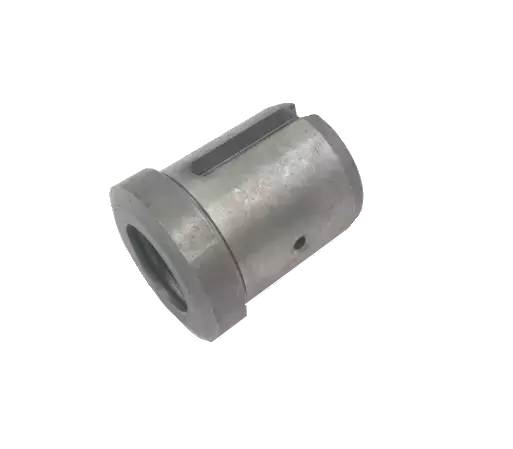
Textile machinery bushing shaft parts support smooth machine movement and stable textile operations. These components reduce friction between rotating shafts and connected structures. They help textile equipment maintain accuracy during continuous production cycles. Manufacturers rely on durable designs because textile machines often operate at high speeds. Proper bushing selection improves mechanical efficiency and reduces unexpected downtime. These parts also influence product quality because unstable movement can affect fabric consistency. Industrial buyers evaluate material strength, dimensional accuracy, and service life before selecting suitable components. Reliable engineering solutions create better performance across spinning, weaving, and finishing processes.
Material Selection and Engineering Performance of Mechanical Components
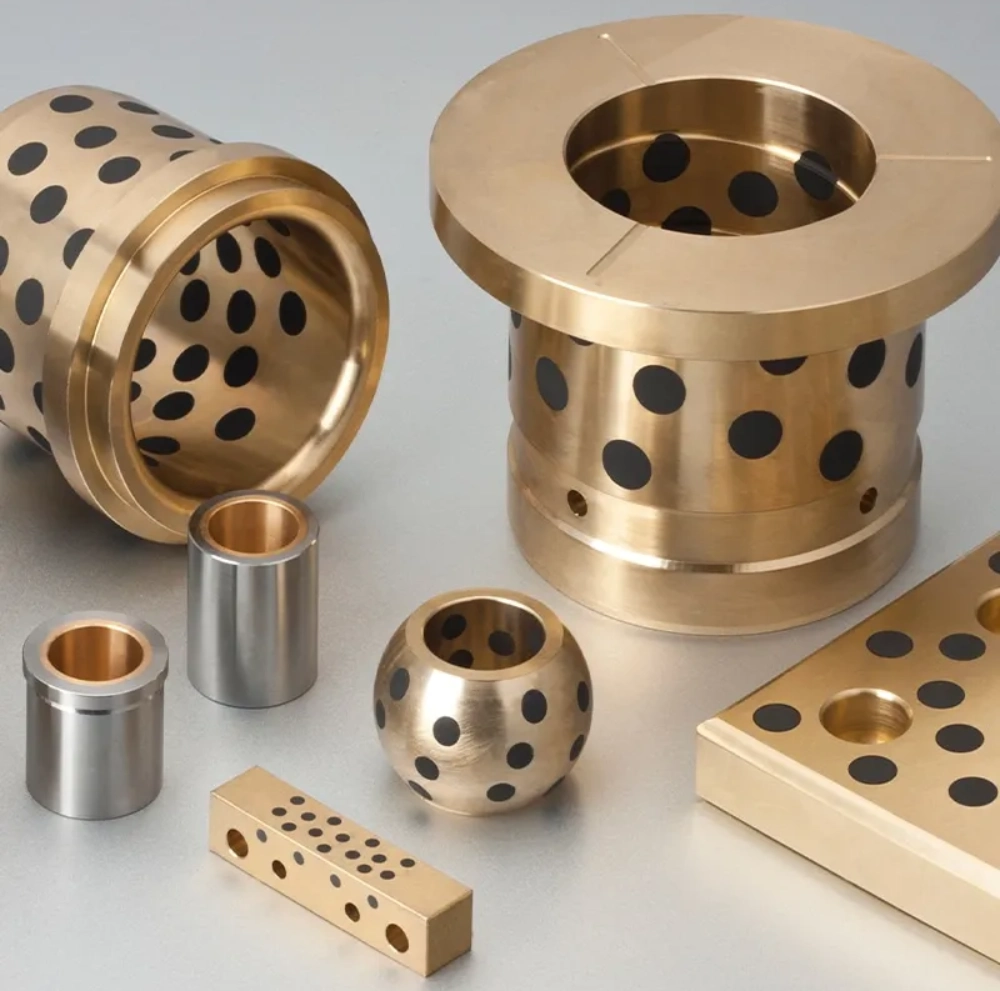
Material selection directly affects component durability and operating efficiency. Common materials include bronze, stainless steel, alloy steel, and engineering plastics. Bronze provides excellent wear resistance and supports heavy mechanical loads. Stainless steel offers corrosion resistance in demanding production environments. Engineering plastics reduce weight while maintaining low friction performance. Each material has different advantages depending on machine speed, temperature, and maintenance conditions. Manufacturers analyze pressure levels, rotation frequency, and environmental exposure before choosing materials. Proper material matching prevents premature wear and extends equipment service periods. Advanced production methods also improve consistency during large-scale manufacturing.
Textile Machinery Bushing Shaft Parts and Mechanical Reliability Factors
Textile machinery bushing shaft parts improve equipment reliability by controlling movement between rotating components. Modern textile equipment requires precise shaft alignment during extended operating hours. Excessive friction can increase heat generation and accelerate component damage. High-quality bushings create smoother motion and reduce mechanical stress across mechanical assemblies. They also protect valuable machine structures from unnecessary wear and performance loss. Production facilities benefit from fewer interruptions and more predictable maintenance schedules. Engineers evaluate lubrication methods, operating pressure, and machine design when developing suitable solutions. A balanced combination of material quality and manufacturing accuracy helps textile equipment achieve stable performance throughout its service life.
Manufacturing Processes and Quality Control Standards
Precision manufacturing determines how effectively mechanical parts perform in textile equipment. CNC machining, grinding, and surface treatment processes create accurate dimensions. Manufacturers inspect tolerance levels, surface roughness, and structural strength before shipment. These inspections prevent installation problems and improve equipment compatibility. Modern production facilities often use advanced measuring tools for quality verification. Dimensional testing ensures that components match original machine specifications.
Surface finishing reduces friction and supports longer operational periods. Professional factories maintain strict process control from raw material inspection to final testing. These practices create consistent results for different textile applications.
Precision Requirements for Textile Machinery Bushing Shaft Parts
Precision machined components play an important role in textile machinery performance. Accurate manufacturing allows shafts and bushings to operate with minimal vibration. Small dimensional errors can create alignment issues and reduce machine efficiency. Engineers focus on tolerance control, surface treatment, and material stability during production. High-speed textile equipment requires components that maintain accuracy under continuous stress. Manufacturers use advanced machining equipment to achieve reliable dimensions and repeatable quality. Careful inspection procedures also verify mechanical performance before delivery. These production standards support demanding applications where consistent textile output remains essential.
Supplier Evaluation Factors for Industrial Applications
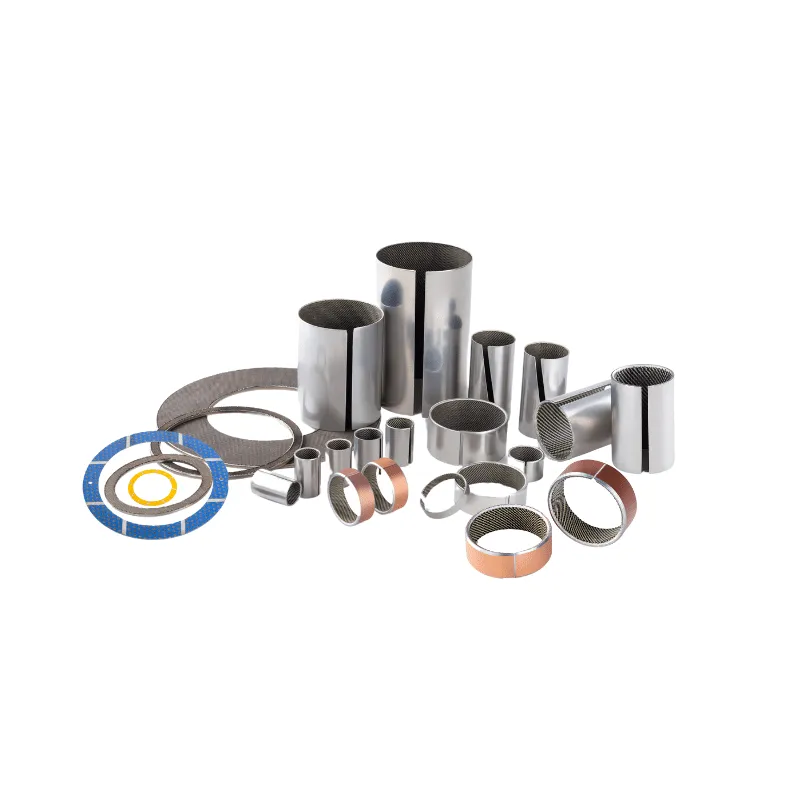
Selecting a reliable supplier requires careful evaluation of manufacturing capability and technical support. Buyers should review production experience, quality systems, and customization options. A professional supplier provides clear material information and inspection records. Communication efficiency also affects project success because customized requirements need accurate coordination. Industrial stainless steel bushing solutions can support applications requiring corrosion resistance and long-term stability. Supplier reliability depends on production planning, inventory control, and delivery management. Companies prefer partners who maintain consistent standards throughout cooperation. A strong supply chain reduces operational risks and supports continuous textile production.
| Material Type | Main Advantages | Common Applications |
|---|---|---|
| Bronze | Excellent wear resistance and load capacity | High-speed textile machines |
| Stainless Steel | Corrosion resistance and structural strength | Harsh production environments |
| Engineering Plastic | Low friction and lightweight performance | Low-noise machinery systems |
Application Areas and Equipment Compatibility
Textile machinery bushing shaft parts serve multiple equipment categories across textile production lines. Spinning machines require stable rotation control for yarn quality. Weaving machines need accurate movement for consistent fabric structures. Finishing equipment depends on reliable mechanical connections during processing. Different applications create different requirements for strength, speed, and environmental resistance. Buyers should match component specifications with machine conditions before purchasing. The following factors often influence selection decisions:
- Operating speed and mechanical load requirements
- Material compatibility with working environments
- Maintenance frequency and expected service life
- Dimensional accuracy for installation stability
These evaluation points help companies choose suitable components for long-term production needs.
Performance Comparison of Different Component Requirements
| Performance Factor | Standard Components | High-Performance Components |
|---|---|---|
| Wear Resistance | Suitable for moderate workloads | Designed for continuous operation |
| Precision Level | Basic dimensional control | Advanced tolerance management |
| Service Life | Requires regular replacement | Provides extended operating periods |
Quality Management After Component Selection
After selecting suitable components, companies need effective quality management practices. Regular inspections help identify wear conditions before failures occur. Maintenance teams should check lubrication status and mechanical alignment frequently. Proper installation procedures also protect component performance. Storage conditions matter because moisture and contamination can affect material properties. Production managers should maintain replacement records for future planning. These actions improve equipment reliability and reduce unexpected production losses. A complete maintenance strategy combines inspection, cleaning, and timely replacement. Consistent management allows textile facilities to maximize equipment value and maintain stable output.
Future Development Trends in Textile Machinery Components
Textile machinery technology continues to demand higher precision and improved durability. Automation creates new requirements for component accuracy and reliability. Advanced materials may provide better resistance against friction and environmental challenges. Digital manufacturing systems also improve production monitoring and quality control. Customized solutions are becoming more common because different machines require specific designs. Suppliers continue investing in machining technology and testing capabilities. Future components will focus on efficiency, sustainability, and longer service cycles. Manufacturers that combine engineering innovation with strict quality practices can support changing textile industry demands.
FAQ
What materials are commonly used for textile machinery components?
Common materials include bronze, stainless steel, alloy steel, and engineering plastics. Bronze remains popular because it provides strong wear resistance and supports heavy loads.
Stainless steel works well in environments requiring corrosion protection and structural strength. Engineering plastics offer low friction performance and reduced weight advantages. Material selection depends on machine speed, operating pressure, temperature conditions, and maintenance requirements. Professional manufacturers evaluate these factors before recommending suitable materials. Proper selection improves durability, reduces replacement frequency, and supports stable textile production. Each application requires careful analysis because different machines experience different mechanical challenges during operation.
How do bushing components affect textile machine performance?
Bushing components influence textile machine performance by improving movement stability and reducing friction between mechanical parts. Smooth rotation helps maintain consistent production quality and lowers equipment stress. Poor-quality components may create vibration, heat buildup, and faster wear. Reliable designs support accurate shaft movement during long working periods. They also reduce maintenance requirements by protecting connected machine structures. Engineers consider load capacity, surface quality, and material strength when developing solutions. Proper installation and regular maintenance further improve performance. High-quality components contribute to efficient production processes and help textile facilities maintain dependable operations.
What factors should buyers consider when sourcing textile machinery components?
Buyers should evaluate material quality, manufacturing accuracy, supplier experience, and inspection procedures. Reliable suppliers provide detailed specifications and maintain consistent production standards. Dimensional accuracy is important because incorrect sizes can affect machine assembly. Material selection should match operating conditions such as speed, pressure, and environmental exposure. Buyers should also review customization capability and delivery reliability. Strong technical support helps solve application challenges during product selection. A professional sourcing process reduces operational risks and improves long-term equipment performance. Careful evaluation allows companies to choose components that meet production requirements effectively.