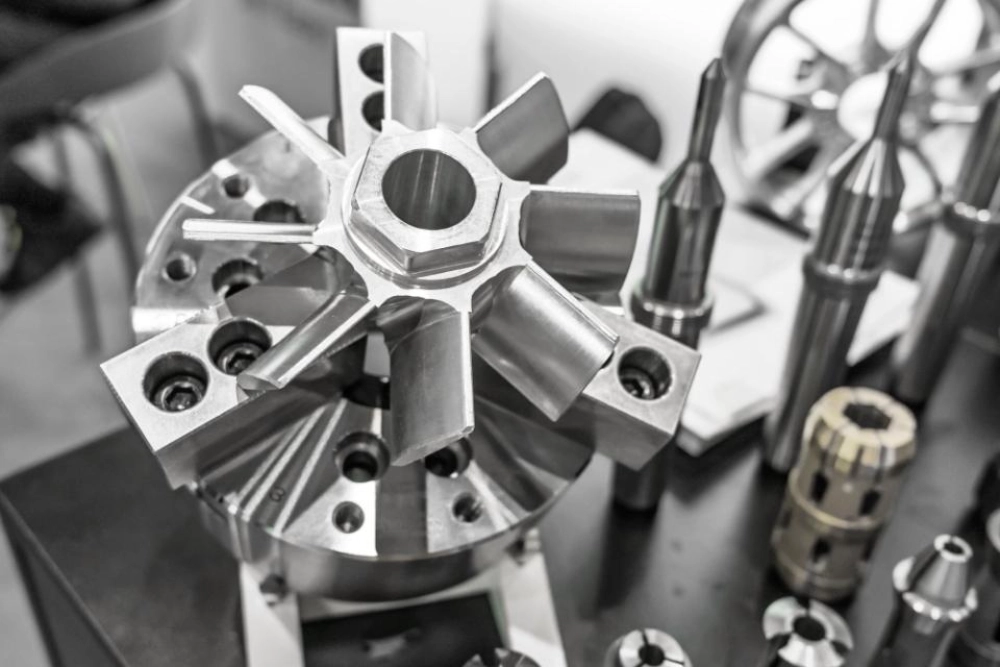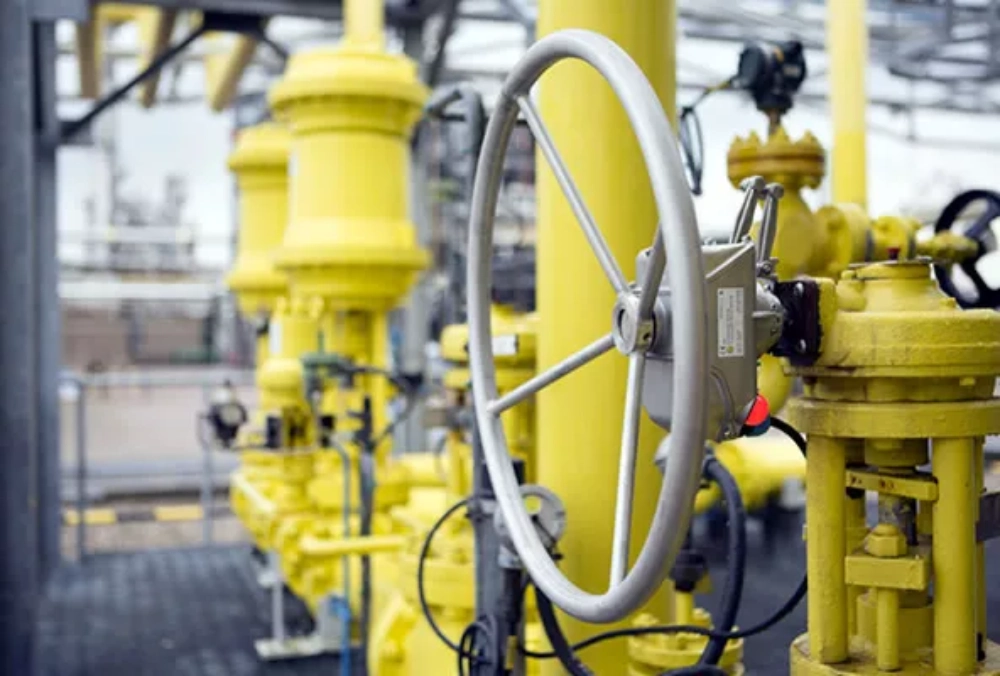
Industrial handle surface finish plays a critical role in equipment durability, operator safety, and long-term performance across manufacturing systems. In B2B hardware production, finishing determines how handles resist corrosion, abrasion, and chemical exposure in demanding environments. It also influences grip comfort during repeated industrial operation cycles. OEM manufacturers rely on precise finishing control to match client specifications across different machinery platforms. Surface engineering improves not only appearance but also functional lifespan under load stress. Many industries, including automation and heavy machinery, prioritize stable coating integrity. Without proper finishing systems, mechanical handles degrade quickly under moisture and friction conditions, reducing operational reliability in production lines.
Functional Importance of Industrial Handle Surface Finish in OEM Systems
Industrial handle surface finish directly affects usability, safety compliance, and equipment lifecycle stability in industrial applications. Engineers evaluate finish types based on environmental exposure, including humidity, oil contact, and mechanical wear intensity. Surface treatments also enhance tactile feedback for operators handling high-frequency equipment. In precision assembly environments, consistency of finish ensures standardized part interaction across machines. Some designs integrate ergonomic structures such as crank handles for manual adjustment systems requiring stable grip force transmission. Manufacturing teams prioritize finishing processes that maintain dimensional accuracy while improving surface hardness. This balance ensures that handles perform reliably under repetitive industrial stress conditions.
Electroplating Technologies in Industrial Handle Surface Finish Engineering
Electroplating remains a widely adopted method in industrial handle surface finish engineering due to its durability and controlled deposition characteristics. Nickel plating improves corrosion resistance by forming a dense protective layer over base metals. Chrome plating adds surface hardness and enhances wear resistance in high-contact environments. These processes rely on electric current to deposit metallic ions evenly across complex geometries. Thickness control is essential to ensure dimensional stability during assembly integration. Industrial testing often includes adhesion and salt spray evaluation based on ASTM B117 standards. Many equipment manufacturers select electroplating for components exposed to oil, moisture, and continuous mechanical friction in production systems.
Anodizing Processes for Aluminum-Based Industrial Handle Systems
Anodizing is a specialized treatment widely used in aluminum-based industrial handle surface finish applications. The process converts the metal surface into a controlled oxide layer through electrochemical oxidation. This layer improves corrosion resistance while maintaining lightweight structural properties. Hard anodizing increases surface density, making it suitable for heavy-duty mechanical environments. Decorative anodizing focuses on color uniformity and visual branding requirements. The porous oxide structure allows dye absorption before sealing, improving aesthetic customization options. Industries using precision instruments prefer anodized surfaces for stability under thermal variation. The process also reduces surface conductivity, which is beneficial in electrically sensitive equipment assemblies requiring insulation.
Powder Coating Applications in Industrial Handle Surface Finish Systems
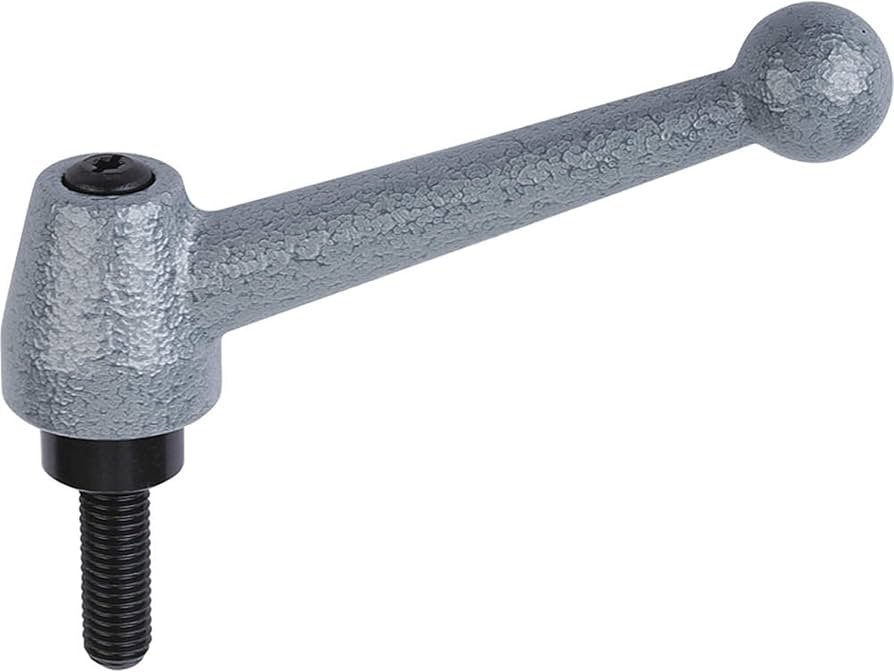
Powder coating is a widely used solution in industrial handle surface finish production due to its chemical resistance and environmental durability. The process applies electrostatically charged powder particles onto metal surfaces before thermal curing. During curing, the powder melts and forms a continuous polymer film. This coating provides strong resistance against scratches, UV exposure, and industrial solvents. Manufacturers select powder coating for its ability to produce uniform color distribution without solvent emissions. It also supports large-scale customization in OEM production lines. The finish is commonly used in equipment requiring both mechanical strength and visual identification across different operational zones.
Mechanical Finishing Techniques in Industrial Handle Surface Finish Refinement
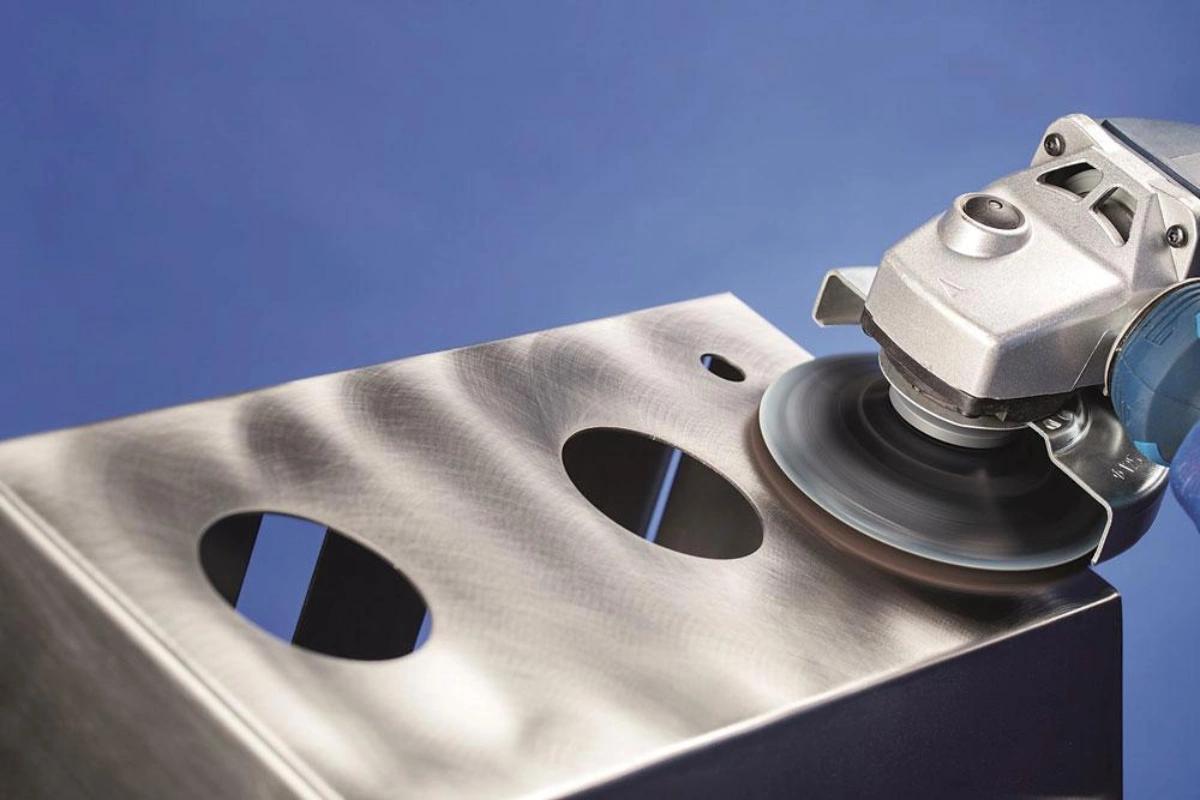
Mechanical finishing techniques refine industrial handle surface finish through physical surface modification methods such as brushing, polishing, and sandblasting. Brushing creates linear texture patterns that improve grip performance in oily environments. Polishing reduces surface roughness and enhances reflective appearance in premium equipment systems. Sandblasting produces uniform matte textures that increase friction stability during manual operation. These methods are often used as preparatory steps before coating applications. Surface roughness control plays a key role in adhesion performance for subsequent finishing layers. In certain industrial designs, folding handles require carefully controlled polishing to ensure smooth articulation without mechanical interference during repeated folding cycles.
Key Processing Methods and Industrial Applications Overview
Common finishing methods in industrial production include electroplating, anodizing, powder coating, and mechanical refinement. Each method serves specific engineering requirements based on environmental exposure and mechanical load conditions. Electroplating enhances corrosion resistance in humid environments. Anodizing improves structural stability in lightweight aluminum systems. Powder coating offers strong chemical resistance in industrial chemical zones. Mechanical finishing improves tactile interaction and grip safety. Below is a structured overview of common industrial finishing applications used in equipment manufacturing environments.
| Finish Type | Durability | Corrosion Resistance | Cost Level | Application Area |
|---|---|---|---|---|
| Electroplating | High | Very High | Medium | Heavy machinery systems |
| Anodizing | Medium-High | High | Medium | Aluminum components |
| Powder Coating | High | High | Low-Medium | Industrial equipment housing |
The comparison above highlights how each finishing method serves distinct industrial needs. Electroplating dominates high-wear environments requiring strong corrosion protection. Anodizing provides balanced performance for lightweight structures with moderate stress. Powder coating delivers cost-efficient protection for large-scale equipment production. Material selection and operational conditions determine the optimal finishing strategy in engineering design.
Material Compatibility and Surface Engineering Standards in Industrial Systems
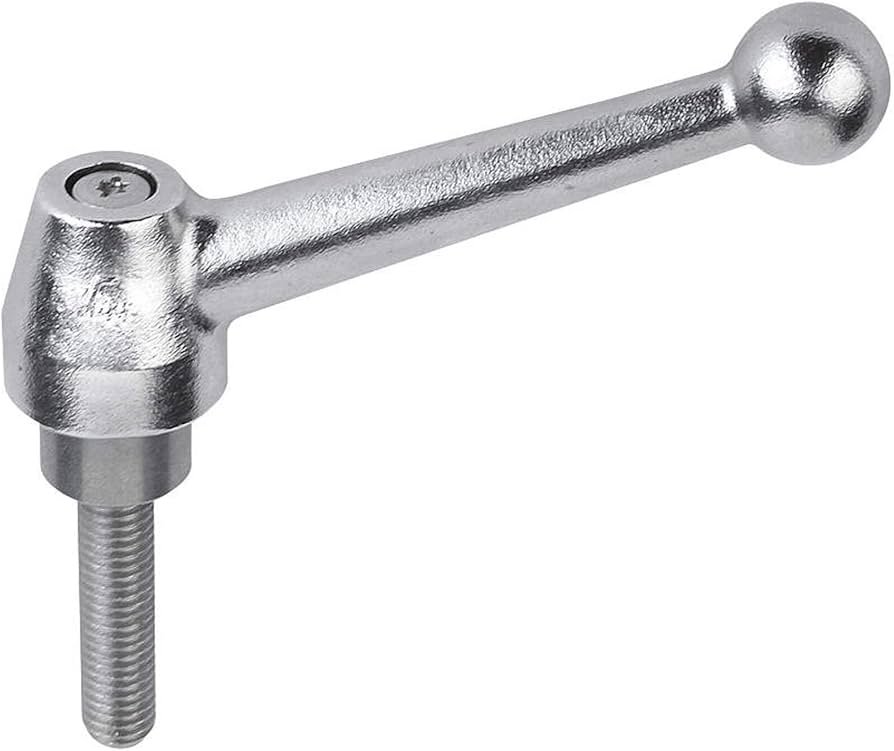
Selection of base material strongly influences industrial handle surface finish performance across different manufacturing environments. Stainless steel supports high corrosion resistance due to chromium content exceeding 10.5 percent. Aluminum alloys require anodizing to stabilize surface oxidation layers. Zinc alloys often rely on electroplating for durability enhancement. Salt spray testing based on ASTM B117 evaluates corrosion resistance over extended exposure cycles. Mechanical fatigue testing ensures coating adhesion under repeated load conditions. In high-vibration machinery, surface integrity prevents micro-crack formation. Many industrial assemblies integrate modular components for quick replacement during maintenance cycles, ensuring production continuity in demanding operational environments.
| Material Type | Recommended Finish | Main Benefit | Industrial Usage |
|---|---|---|---|
| Stainless Steel | Polishing / Electroplating | Corrosion resistance | Heavy-duty machinery |
| Aluminum Alloy | Anodizing | Lightweight protection | Precision equipment |
| Zinc Alloy | Electroplating | Surface hardness | Mechanical components |
The second table demonstrates how material properties directly influence finishing selection. Stainless steel systems prioritize corrosion resistance under harsh conditions. Aluminum alloys require controlled oxidation layers for stability. Zinc alloys depend on surface reinforcement for mechanical strength. Proper pairing ensures long-term structural performance in industrial environments.
Selection Criteria for Industrial Handle Surface Finish in OEM Manufacturing
Selecting the correct industrial handle surface finish requires evaluation of operational conditions, mechanical load, and production cost efficiency. High-humidity environments demand corrosion-resistant coatings with strong sealing properties. High-frequency mechanical systems require abrasion-resistant surfaces with stable adhesion layers. Aesthetic requirements influence color and texture customization for branded equipment. Cost optimization remains critical in large-scale OEM production without compromising durability standards. Engineers also consider maintenance intervals and expected lifecycle performance. Surface engineering decisions directly affect product reliability in long-term industrial deployment scenarios. Proper selection reduces downtime and enhances equipment stability in continuous operation environments.
- Key selection factors include environmental exposure levels
- Mechanical load frequency and vibration intensity matter significantly
- Surface maintenance requirements influence lifecycle cost
- Branding consistency affects coating color selection
- Manufacturing scalability determines finishing feasibility
Industrial handle surface finish selection depends on balancing performance, cost, and durability requirements. High-load applications require reinforced coatings with strong adhesion strength. Low-load systems may prioritize aesthetic customization over extreme durability. Maintenance planning ensures consistent performance across operational cycles. Engineering teams evaluate all factors before final production approval.
Industrial Handle Surface Finish Performance Optimization Strategies
Performance optimization for industrial handle surface finish involves combining material science, coating technology, and mechanical design. Multi-layer coating systems improve resistance against chemical and mechanical degradation. Pre-treatment processes enhance adhesion strength before final coating application. Surface roughness control ensures consistent friction performance in operator handling. Quality control testing includes hardness measurement and adhesion verification. Environmental simulation testing replicates real-world industrial conditions. Lifecycle optimization focuses on reducing maintenance frequency while extending service durability. Engineering teams continuously refine finishing parameters to improve production efficiency and operational reliability across industrial equipment systems.
Conclusion on Industrial Handle Surface Finish Engineering Value
Industrial handle surface finish engineering plays a foundational role in equipment performance, durability, and safety across industrial systems. Proper selection of finishing methods ensures resistance against corrosion, wear, and environmental stress. Manufacturers rely on precise surface engineering to meet strict OEM requirements in global supply chains. Advanced finishing technologies continue to improve operational efficiency and product lifespan. Consistent application of engineering standards strengthens equipment reliability in demanding industrial environments.
FAQ
What is the most durable industrial handle surface finish?
The most durable option depends on operational conditions and material type. Electroplating delivers strong performance in high-corrosion environments. Chrome plating increases hardness and surface wear resistance. Hard anodizing performs well in aluminum-based systems with repeated mechanical stress. Powder coating provides balanced protection for general industrial use. Selection depends on exposure level, mechanical load, and maintenance requirements. High-performance environments often combine multiple finishing layers for improved durability. Engineering evaluation ensures the selected system matches long-term operational demands. Testing standards such as salt spray and abrasion resistance help confirm performance reliability under industrial conditions.
How does surface finish affect corrosion resistance?
Surface finish directly controls how metals interact with environmental factors such as moisture, oxygen, and chemicals. Protective coatings form barriers that slow oxidation reactions. Electroplating adds metallic layers that block direct exposure. Anodizing creates controlled oxide films that stabilize aluminum surfaces. Powder coating forms polymer seals that resist chemical penetration. Without proper finishing, corrosion spreads quickly across untreated surfaces. Industrial environments accelerate this process due to humidity and chemical exposure. Surface engineering ensures controlled degradation rates and extends equipment lifespan. Testing methods measure corrosion resistance under standardized conditions to validate coating performance.
Which finish is best for OEM customization?
The best finish for OEM customization depends on branding, performance, and cost requirements. Powder coating offers wide color flexibility for visual identity. Anodizing supports metallic tones with stable surface protection. Electroplating provides premium appearance with strong durability. Mechanical finishing enhances tactile experience and grip quality. OEM manufacturers often combine multiple processes to meet specific client demands. Production scale also influences selection due to cost efficiency considerations. Environmental conditions determine final coating choice. Engineering teams evaluate all factors to ensure consistent product quality across large manufacturing batches.