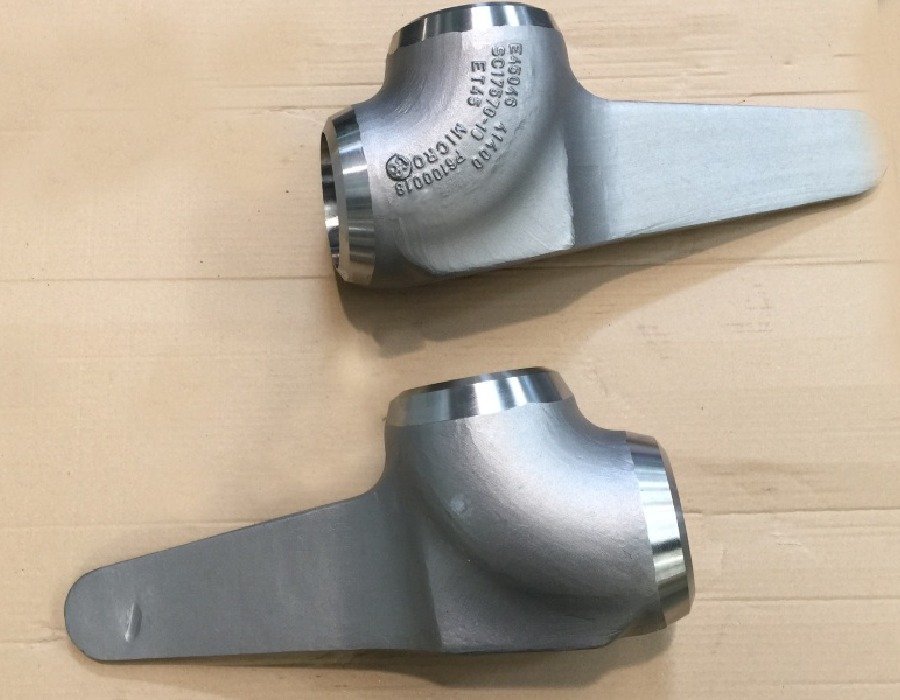
Oil Gas Components Stainless Fittings Deliver Reliable Performance in Industrial Environments
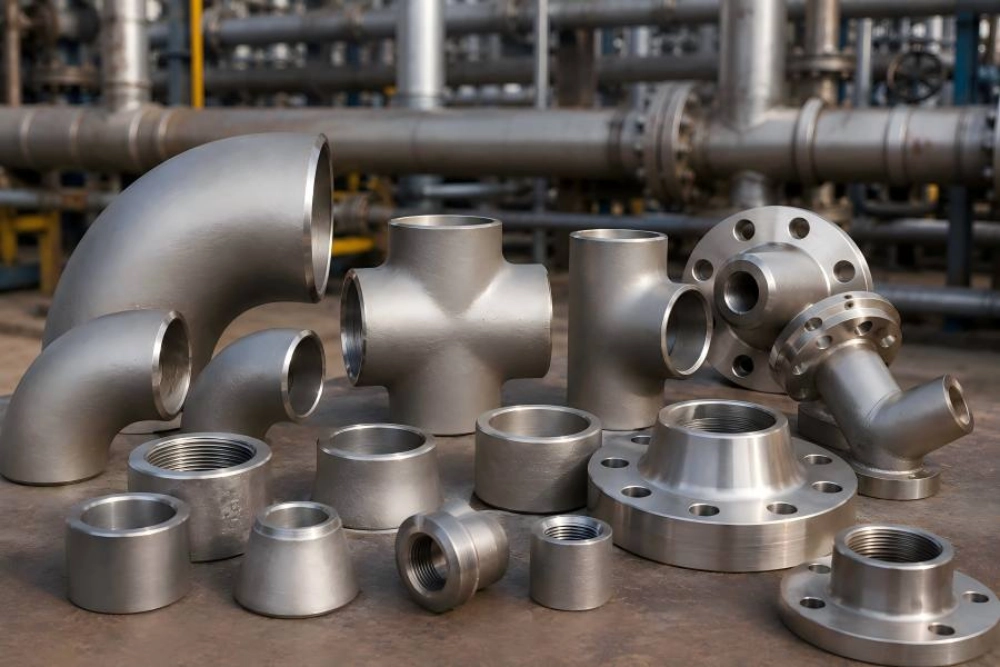
The energy industry requires connection components that maintain safety and durability under extreme conditions. Oil gas components stainless fittings provide reliable solutions for pipelines, processing systems, and fluid transportation equipment. These products face pressure changes, chemical exposure, and temperature fluctuations during operation. Stainless steel materials offer strong mechanical properties and excellent corrosion resistance. Engineers select suitable components based on system requirements, environmental factors, and service expectations. Offshore platforms, refineries, and petrochemical facilities depend on stable connection systems to reduce operational risks. Professional suppliers focus on material control, manufacturing accuracy, and quality inspection. These practices help customers achieve consistent performance and improve equipment reliability during long-term industrial operations.
Corrosion Resistance Creates Long Service Value for Stainless Steel Components
Corrosion protection remains a major consideration in industrial equipment selection. Stainless steel contains chromium that forms a protective oxide layer on the surface. This passive layer reduces damage from moisture, chemicals, and salt exposure. Grades such as 316 and 316L provide improved performance because molybdenum increases resistance against chloride environments. Engineers evaluate chemical conditions, temperature ranges, and pressure levels before choosing suitable materials. Marine facilities and offshore systems often require advanced corrosion protection due to continuous environmental challenges. Stainless materials also maintain mechanical strength after extended operation. Suppliers with strict material management provide inspection reports and alloy certificates. These documents help buyers confirm product quality and ensure reliable performance in demanding applications.
Precision Manufacturing Improves Connection Accuracy and System Stability
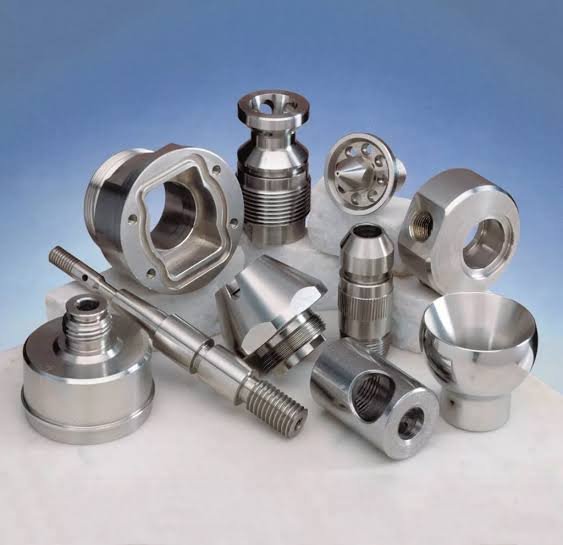
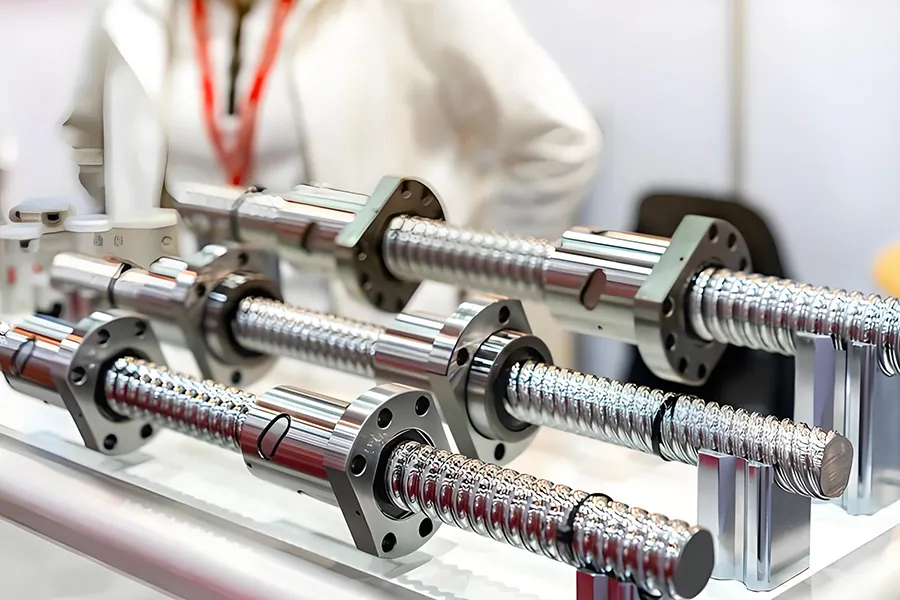
Industrial connection components require accurate manufacturing to achieve safe and stable performance. Precise dimensions influence sealing ability, installation efficiency, and operational reliability. Stainless steel precision machined parts support applications that require consistent size control and mechanical accuracy. Manufacturers use advanced machining equipment to control tolerances during production. Quality teams inspect surface conditions, thread accuracy, and dimensional requirements. Proper manufacturing reduces installation problems and improves system performance. Experienced suppliers combine engineering knowledge with modern production technology. They manage each production stage from material preparation to final inspection. This approach helps maintain product consistency and supports customized requirements from different industrial projects. Reliable manufacturing processes create stronger value for customers requiring dependable components.
High Pressure Applications Require Strong Industrial Connection Solutions
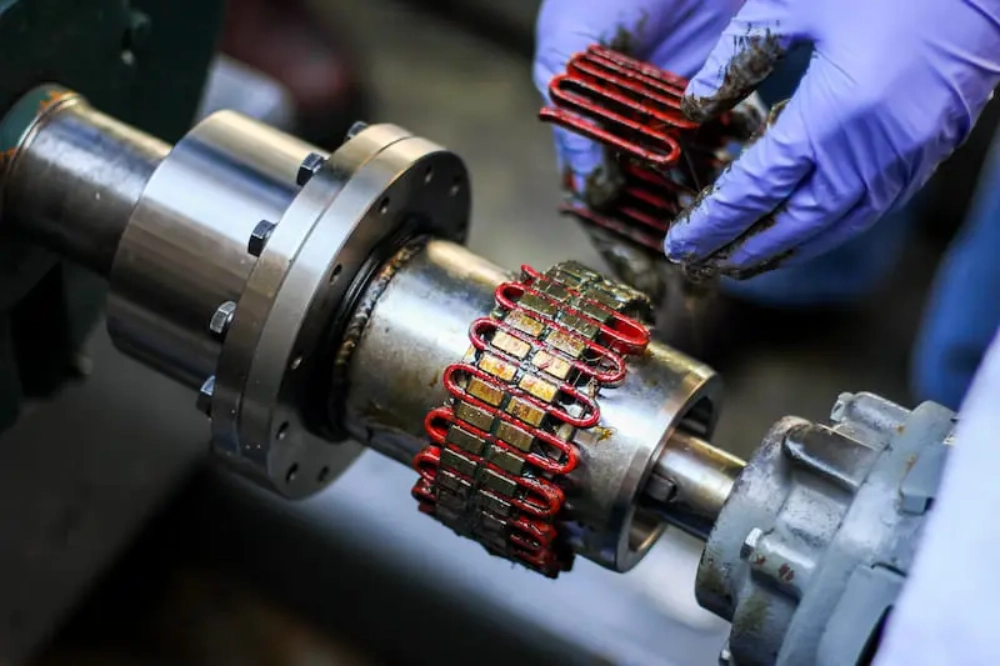
Oil and gas equipment often operates under high pressure and complex conditions. Connection components must resist vibration, mechanical stress, and continuous fluid movement. Stainless materials provide excellent strength for pipelines and processing equipment. Engineers review pressure ratings, wall thickness, and connection structures before selecting products. Different fitting designs support different installation requirements, including directional changes, extensions, and equipment connections. Manufacturers perform performance tests to verify structural reliability. Proper component selection reduces leakage risks and improves operational safety. Industrial buyers prefer suppliers that provide technical specifications and testing information. Reliable connection solutions help facilities maintain stable production and reduce unexpected maintenance requirements. Strong engineering support also improves project efficiency during equipment planning and installation.
Selection Factors Influence Oil Gas Components Stainless Fittings Quality
Choosing suitable components requires evaluation of multiple technical factors. Buyers should consider materials, production capability, testing methods, and supplier experience before purchasing. Precision CNC machined parts provide accurate manufacturing results for applications with strict dimensional requirements. However, product reliability depends on complete quality management rather than machining capability alone. Important evaluation points include:
- Material grade certification and traceability
- Pressure and temperature compatibility
- Surface finishing standards
- Dimensional tolerance control
- Production capacity and inspection ability
A complete evaluation process helps buyers reduce technical risks. Professional suppliers provide detailed specifications and manufacturing information. These factors support better purchasing decisions and improve long-term equipment performance.
Material Selection Comparison Supports Better Industrial Decisions
Selecting suitable stainless steel grades requires careful evaluation of corrosion resistance, strength, and operating conditions. Different materials provide different advantages for industrial environments. Engineers compare chemical composition and performance characteristics before choosing suitable options. The following table presents common stainless steel grades used in demanding connection applications.
| Material Grade | Key Elements | Main Performance | Recommended Applications |
|---|---|---|---|
| 304 Stainless Steel | Chromium and Nickel | Good corrosion resistance and balanced mechanical strength | General industrial pipelines and equipment connections |
| 316 Stainless Steel | Chromium, Nickel, and Molybdenum | Enhanced resistance against chemicals and chloride exposure | Marine systems, processing units, and energy facilities |
| 316L Stainless Steel | Low carbon chromium-nickel-molybdenum alloy | Excellent corrosion resistance and improved welding performance | Offshore equipment and high-demand industrial systems |
Quality Inspection Ensures Consistent Product Reliability
Quality control determines whether components can maintain stable performance during long-term operation. Professional manufacturers apply multiple inspection procedures to verify material accuracy, dimensional precision, and pressure resistance. These procedures help identify production issues before delivery and improve customer confidence. Material testing confirms alloy composition, while pressure evaluation checks structural performance under working conditions. Surface inspection also helps maintain durability and appearance requirements. A complete inspection system supports reliable manufacturing results and reduces risks in industrial applications. The following table shows common inspection methods and their purposes.
| Inspection Method | Testing Focus | Quality Purpose |
|---|---|---|
| Material Analysis | Chemical composition verification | Confirms correct alloy selection |
| Pressure Testing | Leak resistance and structural strength | Improves operational safety |
| Dimensional Inspection | Size and tolerance accuracy | Supports proper installation |
| Surface Examination | Finish condition and defects | Enhances service durability |
Custom Manufacturing Expands Industrial Application Flexibility
Industrial projects often require customized connection solutions because equipment structures and operating conditions vary between facilities. Manufacturers with engineering capabilities can adjust dimensions, thread designs, surface treatments, and material options according to customer specifications. Custom production supports unique pipeline layouts and specialized equipment requirements. Oil gas components stainless fittings can be developed for exploration systems, processing equipment, and transportation networks. Experienced suppliers analyze application conditions before production begins. They review pressure levels, chemical exposure, and installation requirements to create suitable solutions. Custom manufacturing improves compatibility and reduces modification costs during installation. Strong technical communication also helps buyers achieve better project outcomes and maintain stable operational performance across different industrial environments.
Industry Standards Improve Safety and Manufacturing Consistency
Industrial standards provide important requirements for material quality, production processes, and testing procedures. Energy projects commonly rely on standards such as ASTM and ASME to maintain product consistency and safety. These standards define specifications for alloy composition, manufacturing methods, and performance verification. Manufacturers following recognized requirements can provide stronger quality assurance and better product traceability. Compliance helps buyers evaluate supplier capabilities and reduce technical uncertainty. Professional production systems include documentation management, inspection records, and process control. These practices support reliable supply chains and improve confidence during procurement. Standard-based manufacturing also helps international customers compare products from different suppliers while maintaining consistent expectations for quality and performance.
Supplier Capability Determines Long-Term Industrial Partnership Value
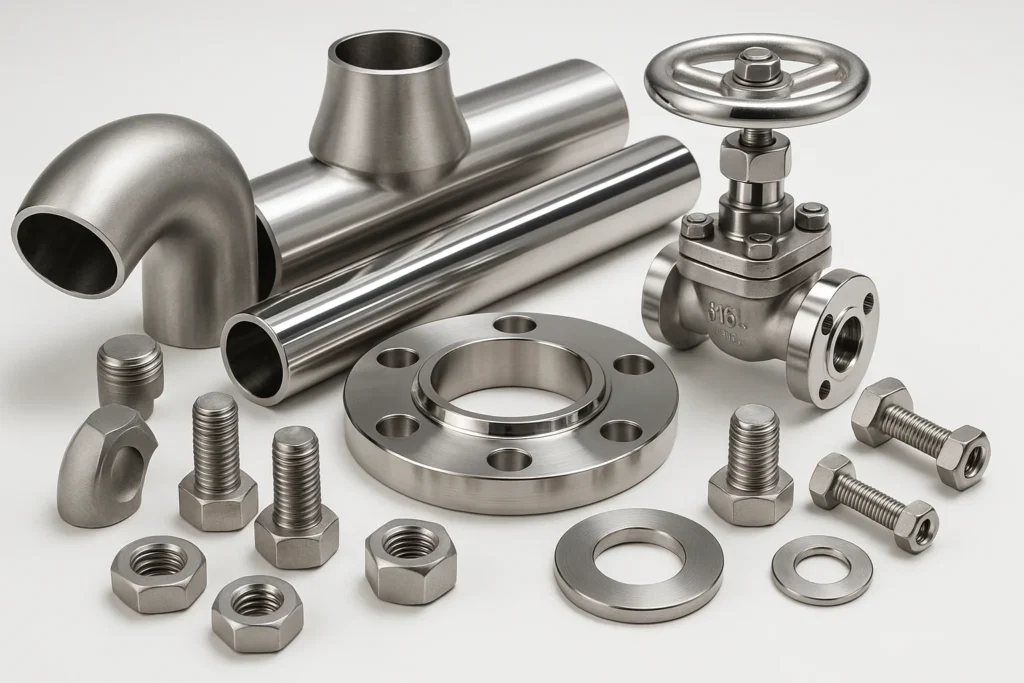
Choosing a supplier requires evaluation beyond product cost. Buyers should review manufacturing experience, technical resources, quality systems, and delivery capability. Reliable suppliers maintain strict control over raw materials, production processes, and final inspections. They provide technical support during product selection and recommend suitable solutions for different operating environments. Experienced manufacturers recognize the challenges of industrial applications and offer practical designs based on project requirements. Strong production capacity helps maintain stable delivery schedules and supports large-scale projects. Transparent communication improves cooperation between suppliers and buyers. A capable partner contributes to long-term equipment reliability by providing consistent products, professional service, and continuous technical support throughout the product lifecycle.
FAQ
Why are stainless fittings widely used in oil and gas systems?
Stainless fittings are widely used because they provide strong corrosion resistance, mechanical durability, and stable performance under difficult conditions. Industrial systems often face pressure changes, chemical exposure, and temperature variations. Stainless materials help maintain connection reliability during continuous operation. For oil gas components stainless fittings, buyers usually evaluate alloy grades, pressure ratings, and manufacturing quality before selection. Materials such as 316 and 316L stainless steel offer improved protection in environments with saltwater or chemical exposure. These advantages make stainless solutions suitable for offshore platforms, processing facilities, and transportation systems that require long service life.
How should buyers select suitable stainless fittings for industrial projects?
Buyers should evaluate several factors before selecting suitable stainless fittings for industrial applications. Material grade, operating pressure, temperature range, and chemical environment all affect product performance. A suitable supplier should provide technical specifications, material certificates, and inspection records. Production capability also influences consistency because accurate manufacturing affects installation compatibility and sealing performance. Customers should review whether suppliers can support customized requirements and maintain stable quality standards. Proper evaluation helps reduce maintenance risks and improves equipment reliability. A complete selection process allows companies to choose products that match project conditions and support long-term operational efficiency.
What makes a stainless fittings supplier reliable for demanding applications?
A reliable supplier combines manufacturing experience, quality control systems, and technical support capabilities. Professional suppliers manage raw materials carefully and apply strict inspection procedures throughout production. They provide accurate product information and maintain communication during technical discussions. A trustworthy partner also supports customized solutions based on application requirements. For industrial projects, consistent delivery and stable product quality are important factors. Suppliers with advanced equipment and experienced teams can provide better solutions for complex environments. Strong manufacturing management helps ensure that components meet customer expectations and maintain reliable performance throughout their service period.