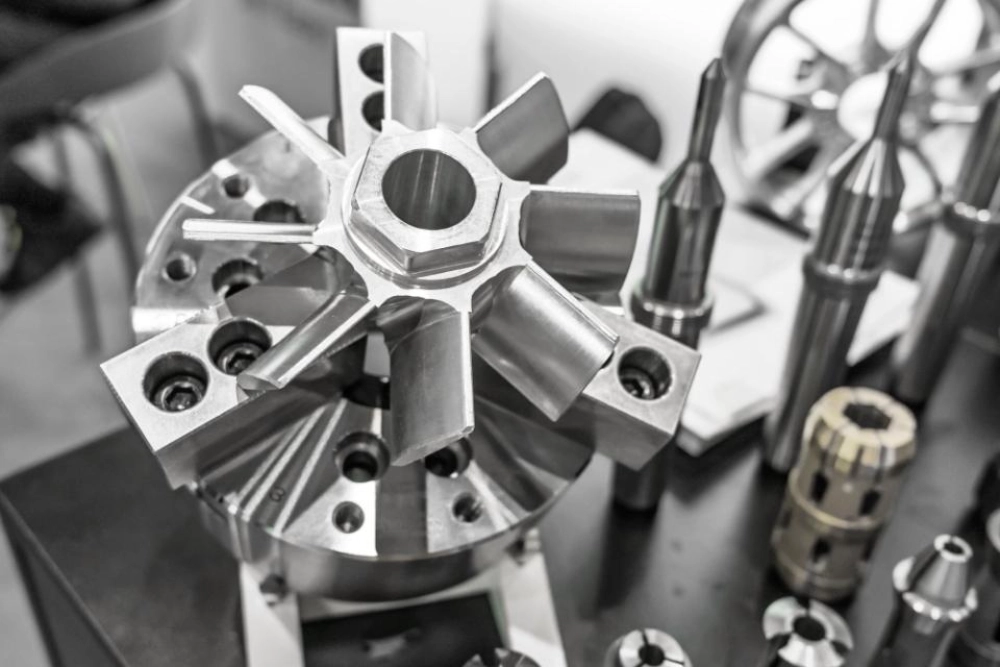
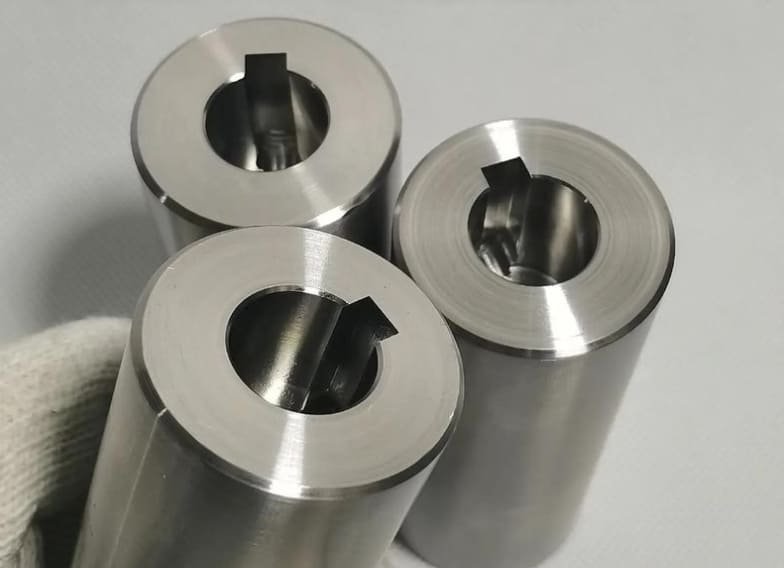
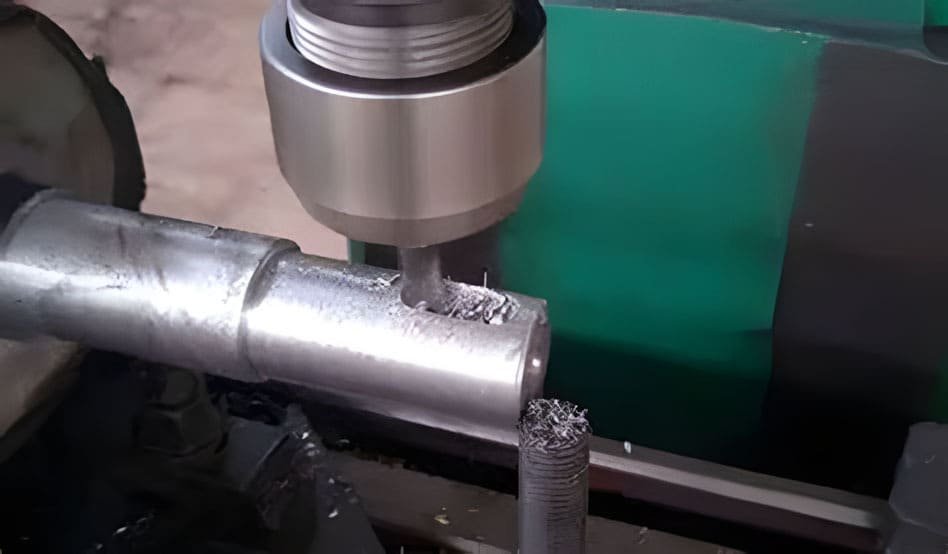
Keyway design standards define dimensions, tolerances, and fits for shaft connections. These specifications ensure reliable torque transmission between shafts and hubs. Engineers depend on standardized guidelines to maintain interchangeability across components. Consistent rules reduce manufacturing errors and simplify assembly processes. Precise keyway geometry helps prevent stress concentration and uneven load distribution. Proper compliance improves operational stability in rotating equipment. Industries such as automotive and aerospace rely heavily on these technical frameworks. Stable implementation enhances product lifecycle and lowers maintenance costs. Design engineers must balance geometry, material, and tolerance during development. Structured standards support long-term mechanical system integrity.
Why Keyway Design Standards Matter In Engineering
Mechanical systems depend on precise connections to transfer motion and power efficiently. Keyway design standards help prevent slippage between shafts and hubs. Poorly designed keyways can lead to vibration and premature wear. Uneven stress distribution often causes fatigue failure in rotating parts. Engineers use standardized dimensions to avoid compatibility issues across suppliers. Consistent specifications improve safety and reduce unexpected downtime. High-load applications require strict adherence to dimensional tolerances. Proper keyway design minimizes backlash and enhances performance stability. Manufacturing consistency ensures predictable behavior under dynamic loads. Reliable standards support long-term durability in demanding industrial environments.
Common Types Of Keyways And Their Applications
Different keyway types serve specific engineering purposes and load conditions. Parallel keyways are widely used in general machinery applications. Woodruff keyways provide better alignment in tapered shaft configurations. Tapered keyways suit heavy-duty and high-torque systems. Selection depends on torque requirements, speed, and operating environment. Engineers evaluate stress distribution before choosing a keyway type. Compact systems often favor Woodruff designs for space efficiency. Heavy machinery typically requires stronger and more rigid key configurations. Proper selection improves mechanical performance and reduces wear. Each type must follow strict dimensional standards for compatibility.
International Keyway Design Standards And Specifications
Global engineering relies on several widely accepted keyway standards. ISO standards define metric dimensions for international applications. ANSI standards are common in North American industries. DIN standards provide detailed specifications for European machinery systems. Each standard outlines width, depth, and tolerance requirements clearly.
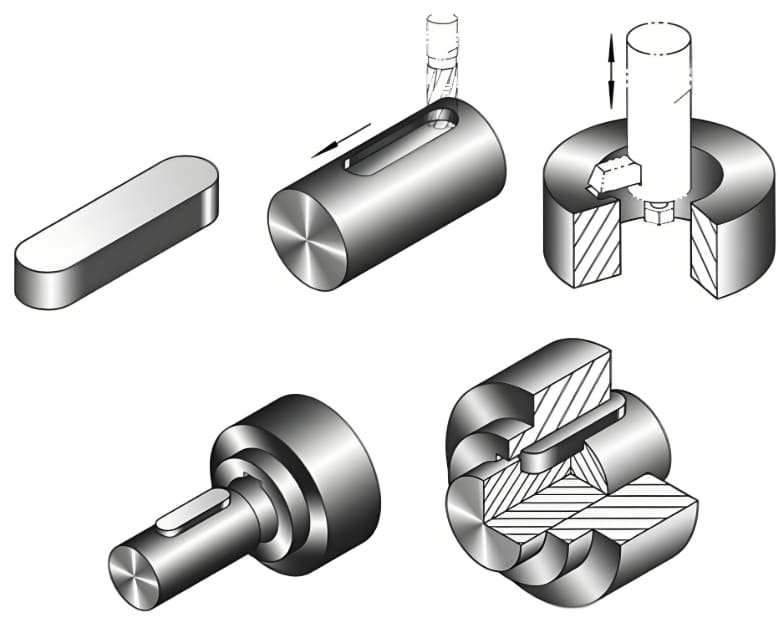
Engineers must select standards based on project location and compliance needs. Differences between standards can affect assembly and performance. Proper documentation ensures accurate manufacturing and inspection processes. Standard alignment prevents mismatched components during installation. Consistent adherence improves global supply chain efficiency.
| Standard | Full Name | Measurement System | Keyway Type Coverage | Tolerance Class | Typical Use Case |
|---|---|---|---|---|---|
| ISO | International Organization for Standardization | Metric | Parallel, Woodruff | ISO h9 / P9 | Global machinery and export equipment |
| ANSI | American National Standards Institute | Imperial | Parallel, Square | ANSI B17.1 tolerances | North American industrial systems |
| DIN | Deutsches Institut für Normung | Metric | Parallel, Tapered | DIN 6885 tolerances | European automotive and heavy equipment |
Engineering Comparison Of Keyway Standards
Each standard defines specific dimensional frameworks for keyway design. ISO emphasizes global compatibility with metric sizing systems. ANSI focuses on inch-based dimensions for regional manufacturing consistency. DIN provides detailed tolerance classifications for precision engineering. Engineers must evaluate project requirements before selecting a standard. Misalignment between standards can cause assembly issues and performance loss. Careful comparison ensures proper fit between shafts and hubs. Standard selection also affects tooling, inspection, and supplier coordination. Consistent application improves efficiency across international production environments.
Keyway Dimensions And Tolerance Requirements
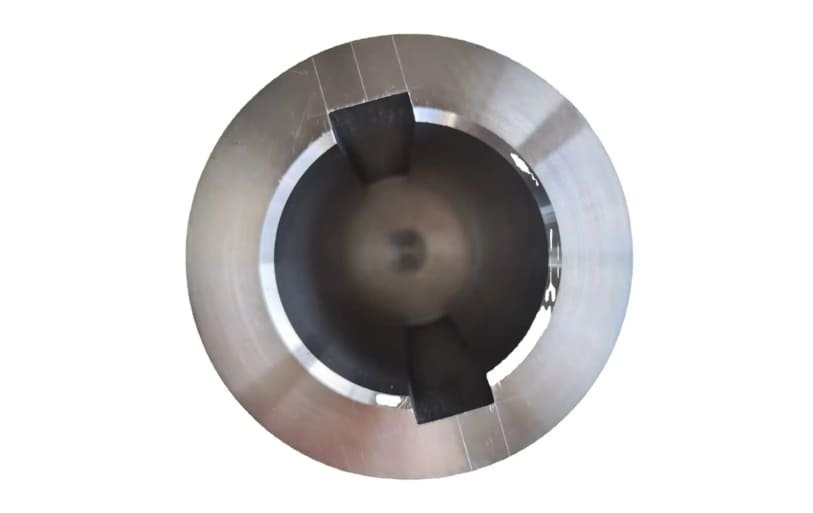
Dimensional accuracy plays a critical role in keyway performance. Standard widths and depths must align with shaft diameter specifications. Tolerances define allowable deviations during manufacturing processes. Proper fit ensures efficient torque transfer without excessive clearance. Tight tolerances reduce vibration but increase machining complexity. Loose tolerances simplify production but may compromise stability. Engineers must balance precision and cost when defining tolerances. Surface finish also affects friction and wear resistance. Inspection tools verify compliance with dimensional requirements. Accurate measurement ensures consistent quality across production batches.
Material Selection And Mechanical Considerations
Material selection directly influences keyway strength and durability. Common materials include carbon steel, alloy steel, and stainless steel. Hardness levels must match application requirements and load conditions. Heat treatment processes improve fatigue resistance and wear performance. Engineers consider corrosion resistance in harsh environments. Material compatibility between key and shaft prevents uneven wear. High-strength materials support heavy loads in industrial machinery. Lightweight materials suit low-load precision systems. Proper selection extends component lifespan and reduces maintenance needs. Mechanical properties must align with operational demands.
| Material Type | Hardness Range (HRC) | Key Properties | Impact On Keyway Performance | Typical Applications |
|---|---|---|---|---|
| Carbon Steel | 20–40 | Good machinability, moderate strength | Balanced wear resistance and cost efficiency | General machinery |
| Alloy Steel | 35–55 | High strength, excellent fatigue resistance | Handles high torque and cyclic loads effectively | Heavy-duty equipment |
| Stainless Steel | 15–35 | Corrosion resistance, moderate strength | Prevents rust but may reduce load capacity | Marine and chemical environments |
Material Impact On Keyway Stress And Wear Behavior
Material properties directly affect stress distribution inside the keyway interface. Harder materials resist deformation under high torque conditions. Softer materials may deform and cause backlash over time. Wear resistance determines how long the keyway maintains dimensional accuracy. Poor wear performance leads to increased clearance and vibration. Fatigue strength influences resistance to repeated cyclic loading. High fatigue resistance prevents crack formation near stress concentration zones. Surface hardness affects friction between key and shaft surfaces. Proper hardness balance avoids excessive wear on either component. Engineers must optimize material pairing for long-term stability.
Heat Treatment And Surface Engineering Effects
Heat treatment processes significantly enhance mechanical properties of keyway materials. Quenching and tempering improve hardness and toughness simultaneously. Case hardening creates a strong outer layer with a ductile core. Surface treatments reduce friction and increase wear resistance. Coatings such as nitriding improve fatigue life under cyclic loads. Improper heat treatment can cause brittleness and premature failure. Engineers must control temperature and cooling rates carefully. Surface engineering also improves corrosion resistance in aggressive environments. Optimized treatments extend service life in demanding applications. Consistent processing ensures predictable performance across production batches.
Manufacturing Methods For Keyways
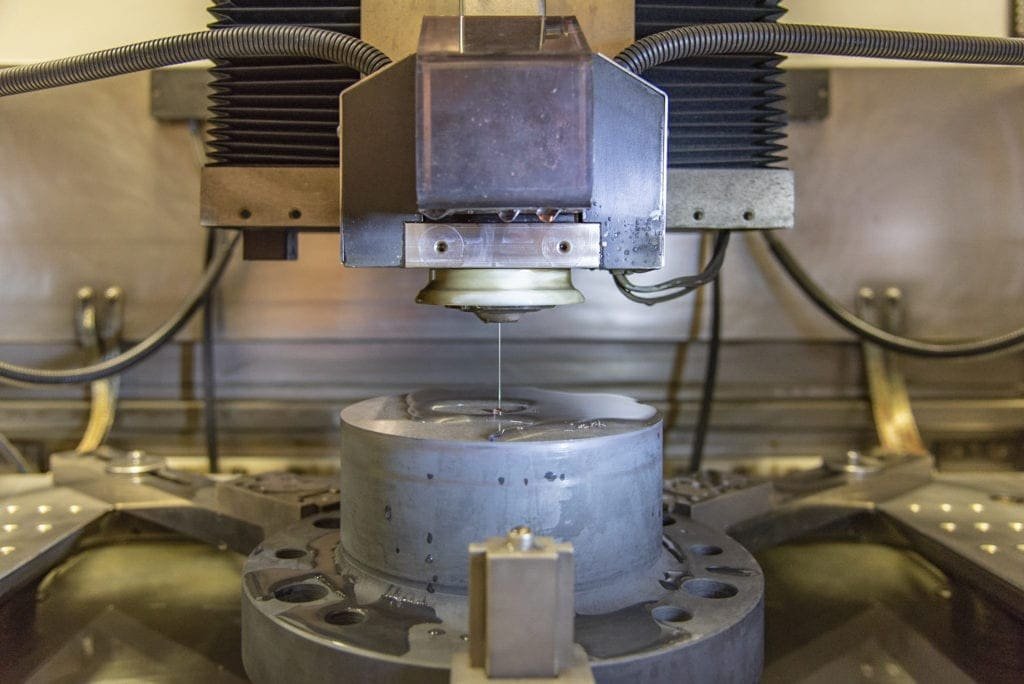
Manufacturing processes determine the accuracy and finish of keyways. Broaching is widely used for high-volume production with consistent results. Milling offers flexibility for custom or small-batch manufacturing. Slotting machines are suitable for internal keyway cutting operations. CNC machining provides high precision and repeatability for complex designs.Advanced processes support precision machined components in critical industries. Each method has advantages depending on geometry and production scale.
Tool selection influences surface finish and dimensional accuracy. Process optimization improves efficiency and reduces waste. Engineers must align manufacturing methods with design requirements.
Engineering Interpretation Of Keyway Standards Data
Engineers must interpret standard tables accurately for effective implementation. Each value defines critical limits for machining and assembly processes. Misreading tolerances can lead to improper fits and failures. Proper analysis ensures compatibility between shafts and hubs. CAD systems often integrate standard data for design efficiency. Engineers verify dimensions before production to avoid costly errors. Data interpretation also affects inspection and quality control procedures. Clear comprehension improves communication across engineering teams. Accurate application ensures reliable mechanical performance in real-world conditions.
Keyway Dimension Tolerance Reference Table
| Shaft Diameter | Keyway Width | Keyway Depth | Tolerance Range |
|---|---|---|---|
| 10–20 mm | 4–6 mm | 2–3 mm | ±0.01 mm |
| 20–50 mm | 6–14 mm | 3–7 mm | ±0.02 mm |
| 50–100 mm | 14–22 mm | 7–11 mm | ±0.03 mm |
Best Practices For Applying Keyway Design Standards
- Select tolerances based on load and rotational speed requirements
- Ensure proper alignment during assembly to avoid stress concentration
- Use surface treatments to enhance wear resistance and durability
- Perform regular inspections to maintain dimensional accuracy
- Coordinate with suppliers for consistent manufacturing quality
Practical Insights On Implementing Keyway Design Standards
Real-world implementation requires balancing precision and production efficiency. Engineers often adjust tolerances based on cost constraints. Supplier capability plays a critical role in achieving required accuracy. Precision cnc machined parts demand strict adherence to standards. Quality control processes ensure consistency across production batches. Maintenance teams monitor wear patterns to detect early issues. Proper documentation supports traceability and compliance requirements. Collaboration between design and manufacturing improves overall performance. Continuous evaluation enhances reliability in long-term applications.
Future Trends In Keyway Design And Standardization
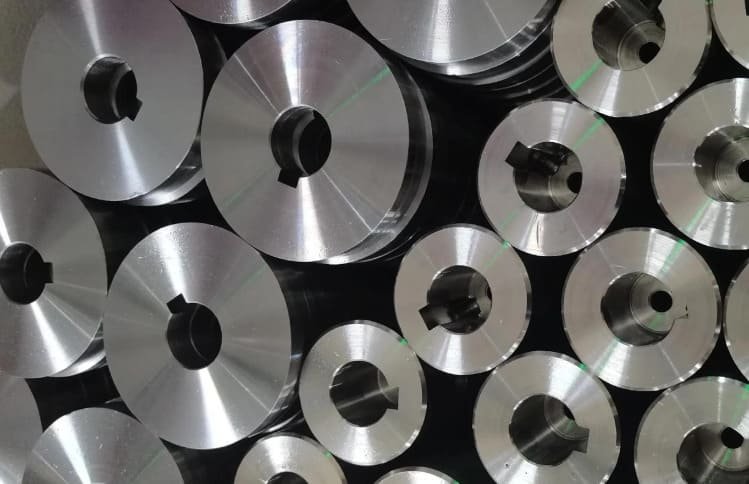
Advancements in manufacturing technology are shaping keyway design practices. Automation improves consistency and reduces human error in machining. Digital libraries provide easy access to updated standards. Advanced materials enhance strength and reduce component weight. Industry 4.0 enables real-time monitoring of machining processes.Engineers increasingly rely on simulation tools for design validation. Smart manufacturing systems improve efficiency and precision. Continuous innovation supports evolving industrial requirements. Standardization will remain essential for global engineering collaboration.
FAQ
What Are The Most Common Keyway Standards Used Globally?
ISO, ANSI, and DIN are the most widely used keyway standards worldwide. ISO standards dominate international projects due to metric consistency. ANSI standards remain common in North American manufacturing sectors. DIN standards are widely adopted across European mechanical systems. Each standard defines specific dimensions, tolerances, and fit requirements. Engineers select standards based on project location and compatibility needs. Using consistent standards ensures easier sourcing and replacement of components. Global supply chains rely heavily on these frameworks for interoperability. Choosing the correct standard reduces design conflicts and improves system reliability.
How Do Engineers Select The Right Keyway Dimensions?
Engineers determine keyway dimensions based on shaft diameter and torque requirements. Load conditions influence width and depth specifications significantly. High torque applications require larger keyways for better load distribution. Material strength also affects dimension selection and safety margins. Engineers consult standard tables to ensure compliance with established norms. Tolerance selection balances manufacturing feasibility and performance needs. Environmental factors such as temperature and corrosion may influence design choices. Simulation tools often validate stress distribution before finalizing dimensions. Proper selection ensures optimal performance and long-term durability.
What Are The Risks Of Ignoring Keyway Design Standards?
Ignoring keyway design standards can lead to severe mechanical failures. Improper dimensions may cause loose fits or excessive stress concentration. These issues often result in vibration, noise, and reduced efficiency. Long-term operation under poor conditions leads to fatigue and component breakage. Safety risks increase significantly in high-speed rotating systems. Maintenance costs rise due to frequent repairs and replacements. Non-standard designs also create compatibility issues with replacement parts. Engineers must follow established standards to ensure reliability and safety. Proper compliance minimizes risks and supports efficient system performance.