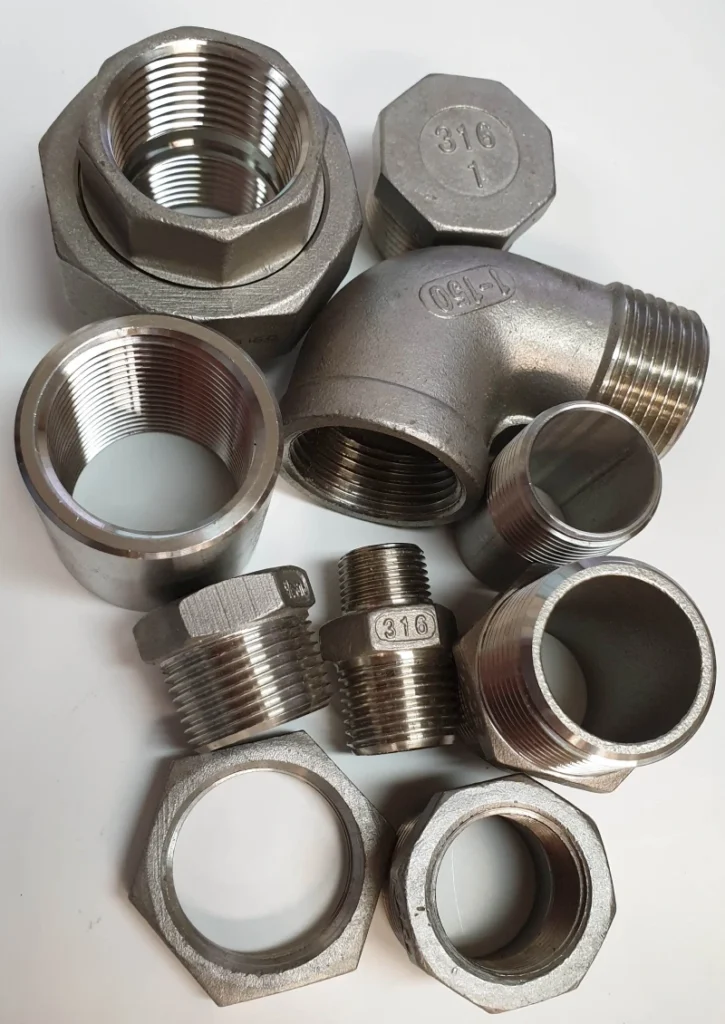
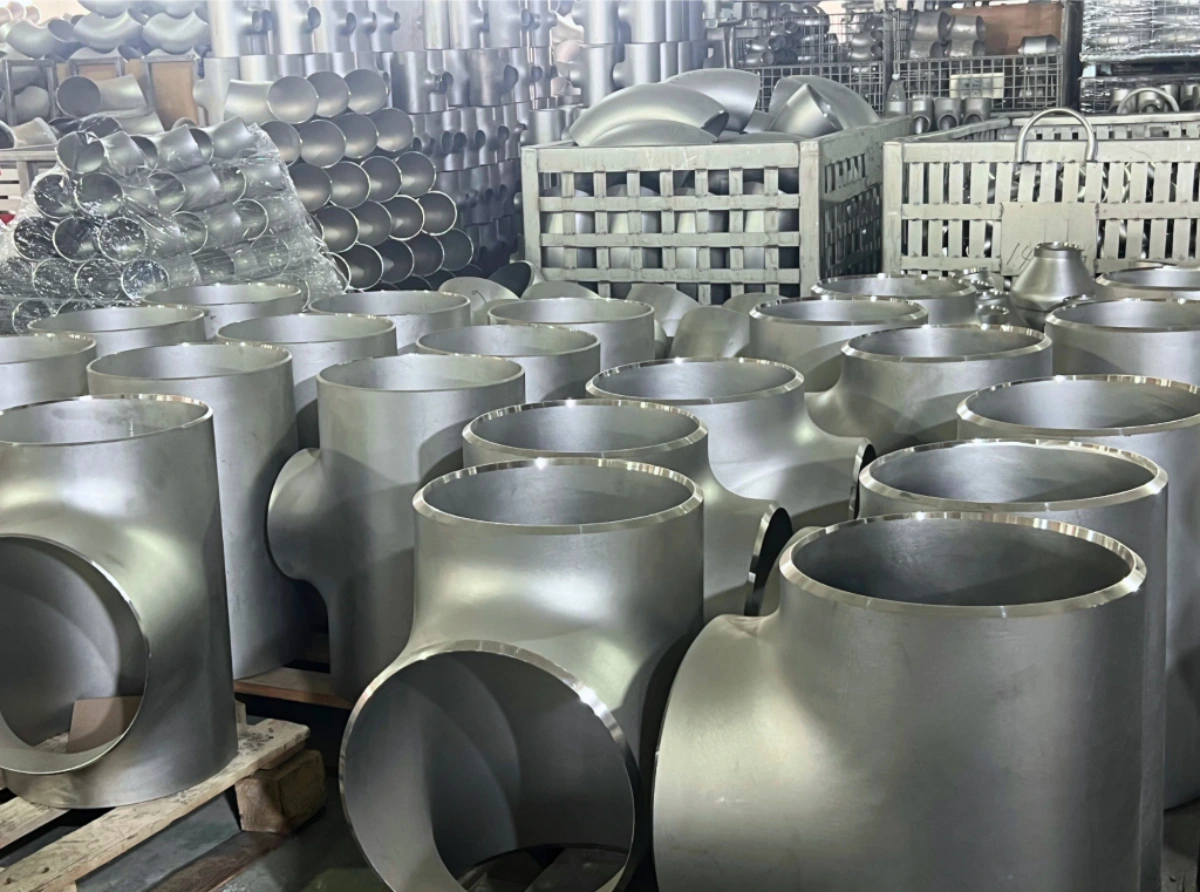
A custom stainless steel pipe fittings manufacturer is an industrial engineering producer that designs and fabricates non-standard piping components. This specialized stainless steel fittings producer delivers fittings tailored to pressure, temperature, and corrosion conditions across complex systems. These manufacturers support industries where standard catalog parts fail to meet technical requirements. Engineers collaborate closely with production teams to ensure dimensional accuracy and structural reliability. Each component is designed for specific operational environments such as chemical exposure or high pressure flow. The process integrates material science with machining precision. Such manufacturers play a critical role in infrastructure reliability and long term system stability across global industrial sectors.
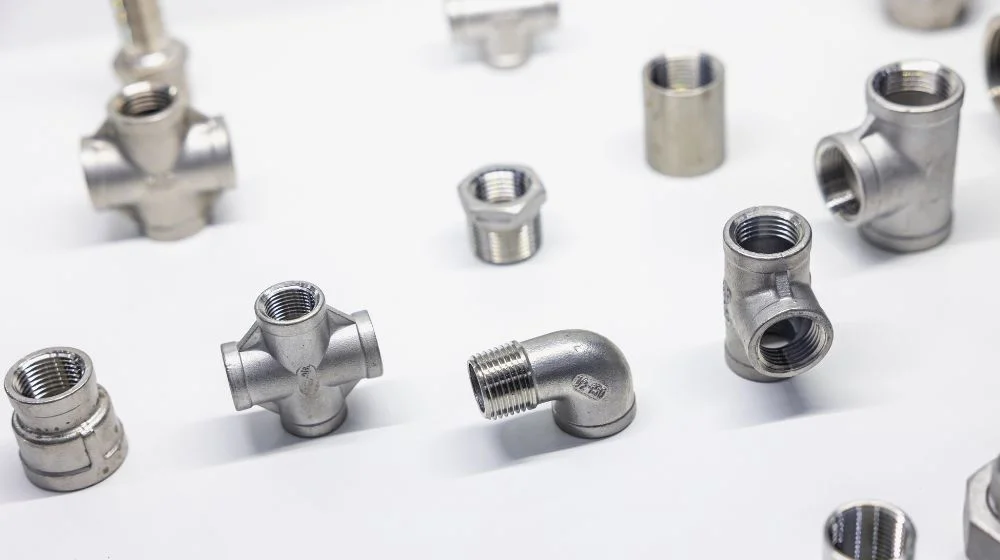
Supply Chain Role in Industrial Systems
A custom stainless steel pipe fittings manufacturer functions as a bridge between engineering design and physical production. This specialized supplier ensures that technical drawings are accurately converted into manufacturable components engineering precision checks. Procurement teams depend on them for customized geometries and non-standard specifications. Engineering validation helps reduce structural risk during installation and operation.
These manufacturers also coordinate logistics for international infrastructure projects. Delivery scheduling is aligned with construction timelines to avoid downtime. Technical consultation is often included in their service scope. Their contribution improves system integration efficiency and reduces long term operational failure rates in industrial piping networks.
Material Selection in Industrial Stainless Steel Systems
Material selection determines durability and corrosion resistance in piping systems. Grades such as 304 and 316 stainless steel are widely used due to stable mechanical performance. Duplex stainless steel provides higher strength in aggressive environments. Engineers evaluate chemical exposure, temperature range, and pressure conditions before selection. Proper material choice reduces maintenance cycles and improves system longevity. Metallurgical composition influences weldability and fatigue resistance. High molybdenum content improves chloride resistance in marine environments. Traceability ensures consistent production quality across batches. Reliable sourcing supports compliance with international engineering standards in critical infrastructure projects.
Manufacturing Processes in Precision Pipe Fitting Production
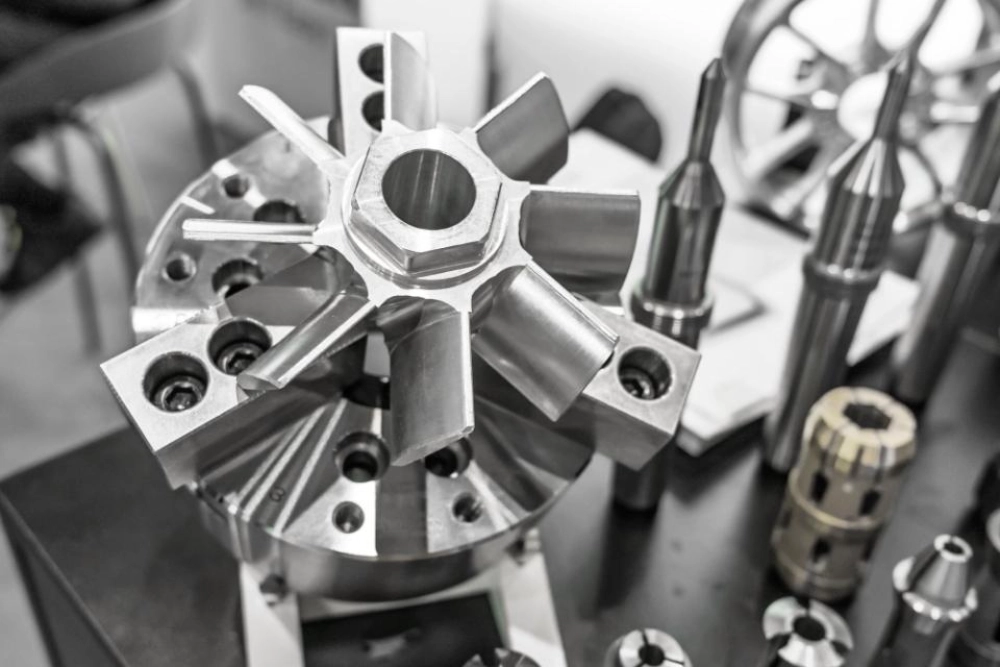
Manufacturing of industrial fittings involves multiple controlled engineering stages. Forging enhances internal grain structure strength. Casting enables complex geometrical shaping with controlled solidification. CNC machining provides precise dimensional control for assembly compatibility. Heat treatment improves hardness and stress distribution across components. Surface finishing enhances corrosion resistance and reduces flow friction.
Quality Standards and Testing Systems in Pipe Engineering
Industrial piping components must comply with strict international standards. ASTM A312 governs seamless and welded stainless steel pipe requirements. ASTM A403 defines wrought stainless steel fitting specifications for pressure piping systems. ASME B16.9 covers factory-made wrought butt welding fittings dimensions and tolerances. ASME B31.3 regulates process piping design and construction safety requirements. Hydrostatic testing verifies pressure resistance and sealing performance. Ultrasonic testing detects internal structural defects without damaging components. Radiographic inspection ensures uniform internal integrity. Dimensional inspection confirms tolerance accuracy for system compatibility. Non destructive testing improves operational safety in critical environments. Certification documentation supports regulatory compliance. These quality systems reduce failure risk and ensure stable performance in high pressure industrial applications.
Industrial Applications of Stainless Steel Pipe Systems
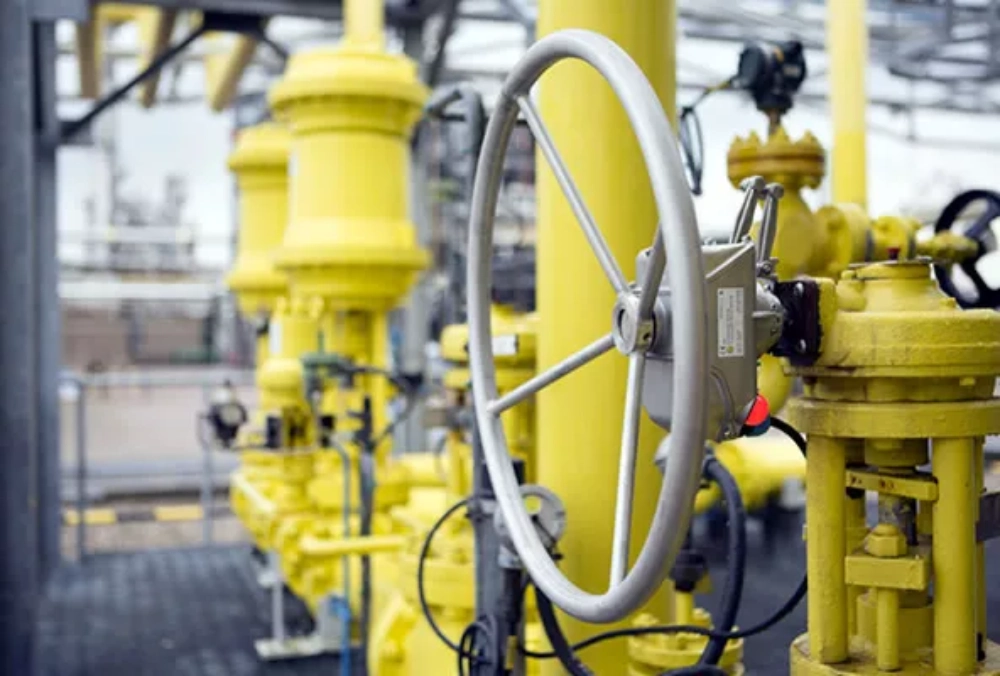
Industrial piping systems are widely used in multiple sectors. Oil and gas pipelines require high pressure resistance and corrosion protection. Chemical plants demand stable performance under reactive fluids. Water treatment systems require contamination free flow channels. HVAC systems depend on efficient thermal and fluid transfer. Offshore platforms require resistance to saltwater and mechanical stress. Engineers design integrated networks for optimized flow distribution. System reliability directly impacts operational safety and production efficiency. Component durability ensures long term infrastructure performance across diverse industrial environments.
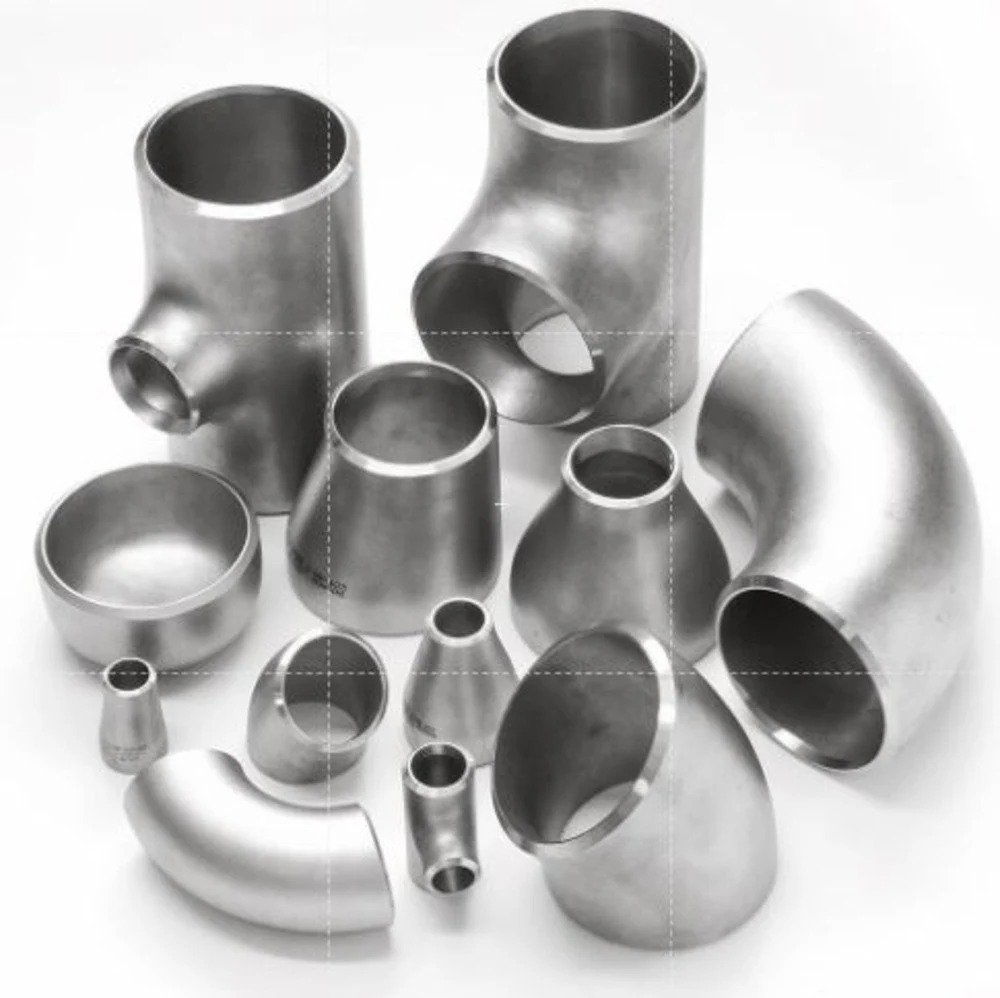
OEM and ODM Engineering Services in custom stainless steel pipe fittings manufacturer
This engineering partner supports customized engineering based on technical drawings and system requirements project alignment control. custom stainless steel pipe fittings manufacturer provides OEM and ODM services for global industrial clients. Prototype development enables validation before mass production. Scalable manufacturing supports both small batch and large scale orders. Engineering teams optimize geometry for system compatibility. Quality documentation ensures compliance with international certification standards. Supply chain coordination improves delivery reliability across regions. These services enable industries to implement tailored piping solutions without compromising performance or structural integrity.
Procurement Strategy and Cost Optimization
Procurement cost depends on material grade, machining complexity, and order volume. High alloy stainless steel increases raw material cost significantly. Precision machining adds tooling and production time requirements. Small batch customization increases per unit cost. Large volume orders reduce cost through economies of scale. Supplier evaluation includes delivery stability and certification compliance. Long term partnerships improve pricing consistency. Logistics distance influences total procurement expenditure. Engineering support capability is also a key evaluation factor in supplier selection for industrial projects.
Technical Overview of Manufacturing Process Table
| Stage | Process | Engineering Purpose |
|---|---|---|
| Forming | Forging and Casting | Structural strength and shape creation |
| Machining | CNC Precision Cutting | Dimensional accuracy control |
| Finishing | Surface Treatment | Corrosion resistance improvement |
Engineering Interpretation of Manufacturing Stages
Manufacturing stages are structured to ensure mechanical integrity and dimensional precision. Each process contributes to overall system reliability under operational stress conditions. Forming establishes structural strength at material level. Machining ensures accurate fitting during assembly. Surface finishing improves durability in corrosive environments. Controlled processing reduces defect rates and improves repeatability. These stages are integrated into a continuous engineering workflow. Quality control checkpoints are applied between each phase. This structure ensures consistent performance across large scale industrial production batches.
Material Performance Comparison Table
| Material Grade | Corrosion Resistance | Application Environment |
|---|---|---|
| 304 Stainless Steel | Moderate | General industrial systems |
| 316 Stainless Steel | High | Chemical and marine use |
| Duplex Steel | Very High | Offshore and high pressure systems |
Engineering Analysis of Material Selection Systems
Material selection directly affects operational safety and system longevity. Engineers evaluate corrosion resistance against environmental exposure levels. Mechanical strength determines suitability for pressure intensive systems. Chemical compatibility ensures stability under reactive fluids. Duplex alloys provide enhanced performance in extreme environments. 316 stainless steel is widely used in marine systems. 304 stainless steel remains common in general industrial use. Selection accuracy reduces maintenance costs and system downtime. Proper material engineering ensures long term operational reliability.
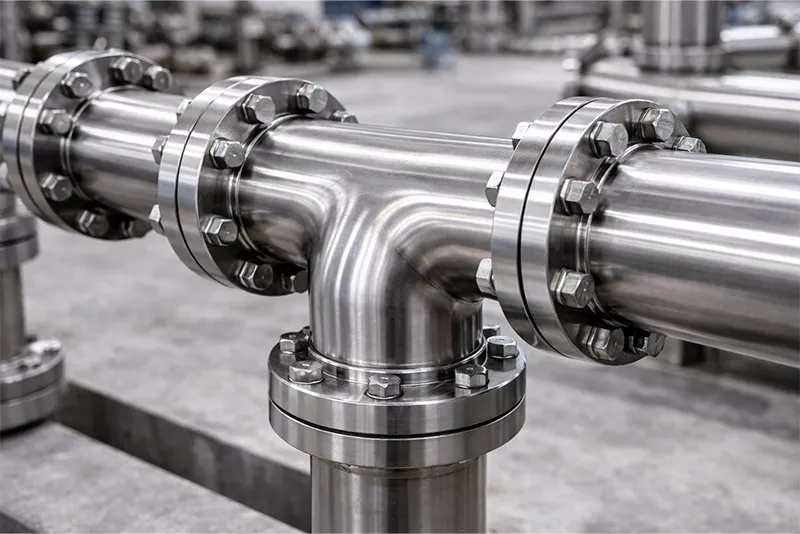
Hydraulic System Component Compatibility Overview
Metric hydraulic connector is widely used in hydraulic transmission systems requiring standardized threading. It ensures compatibility across industrial fluid power equipment. These connectors support high pressure operation in mechanical automation systems. Proper sealing prevents leakage and maintains system efficiency. Engineers select connectors based on pressure rating and system configuration. Standardization simplifies maintenance and component replacement. This improves reliability in complex hydraulic circuits across manufacturing environments.
FAQ
What does a custom stainless steel pipe fittings manufacturer produce?
A custom stainless steel pipe fittings manufacturer produces engineered piping components such as elbows, tees, reducers, and flanges. These components are designed for specific industrial systems with non standard requirements. Production focuses on dimensional precision, corrosion resistance, and pressure stability. Engineers collaborate during design to ensure compatibility with system loads. Manufacturing processes include forging, machining, and heat treatment. Each product undergoes strict inspection before delivery. These components are widely used in energy, chemical, and water infrastructure systems where reliability is essential for continuous operation.
How is quality ensured in production systems?
Quality control is maintained through multi stage inspection and testing systems. Standards such as ASTM A312, ASTM A403, ASME B16.9, and ASME B31.3 define performance requirements. Hydrostatic testing evaluates pressure resistance under simulated conditions. Ultrasonic inspection detects internal structural defects. Radiographic testing ensures uniform internal integrity. Dimensional checks confirm tolerance accuracy. Material certification guarantees alloy consistency. Each production stage includes monitoring checkpoints. These methods ensure safe performance in high pressure industrial environments where failure is not acceptable and operational continuity is critical.
Where are custom piping systems commonly used?
Custom piping systems are widely applied in oil and gas transportation, chemical processing, and water treatment plants. They are also used in offshore platforms, HVAC systems, and industrial manufacturing facilities. Each environment requires specific resistance to pressure, temperature, and corrosion. Engineers design systems to optimize flow and safety performance. These fittings ensure structural continuity across complex pipeline networks. Their adaptability supports both small scale equipment and large industrial infrastructure projects, ensuring stable operation under diverse and demanding conditions.