
How Does Lead Screw Lubrication Improve Performance?
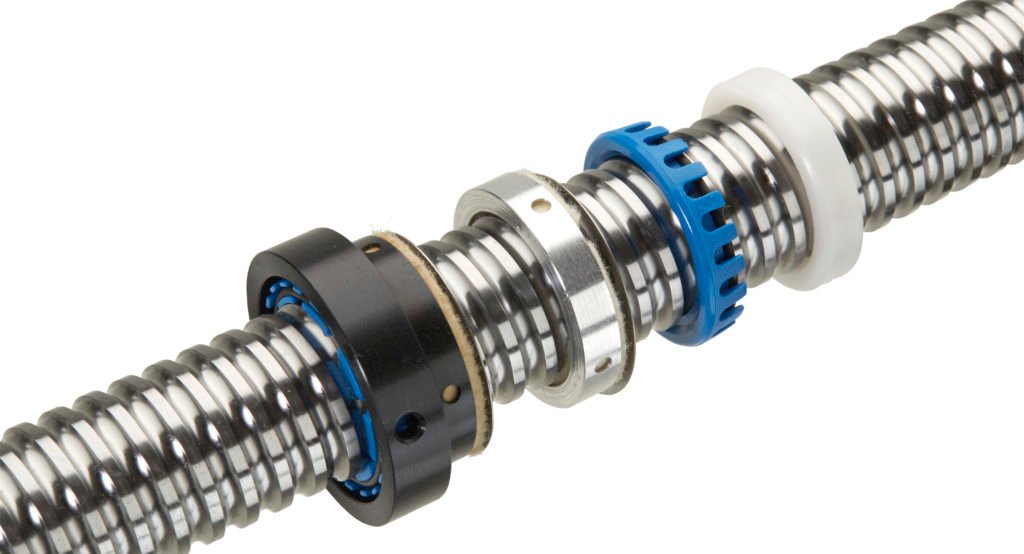
Why Lead Screw Lubrication Matters In Industrial Systems Modern automation equipment depends on stable linear movement during repeated production cycles. Lead screw lubrication reduces friction between threaded surfaces during continuous mechanical contact. Proper lubrication also stabilizes torque values across changing operational speeds. Many factories monitor friction because unstable motion damages positioning accuracy quickly. Controlled lubrication […]
What Is Lead Screw End Machining And Why Is It Important?
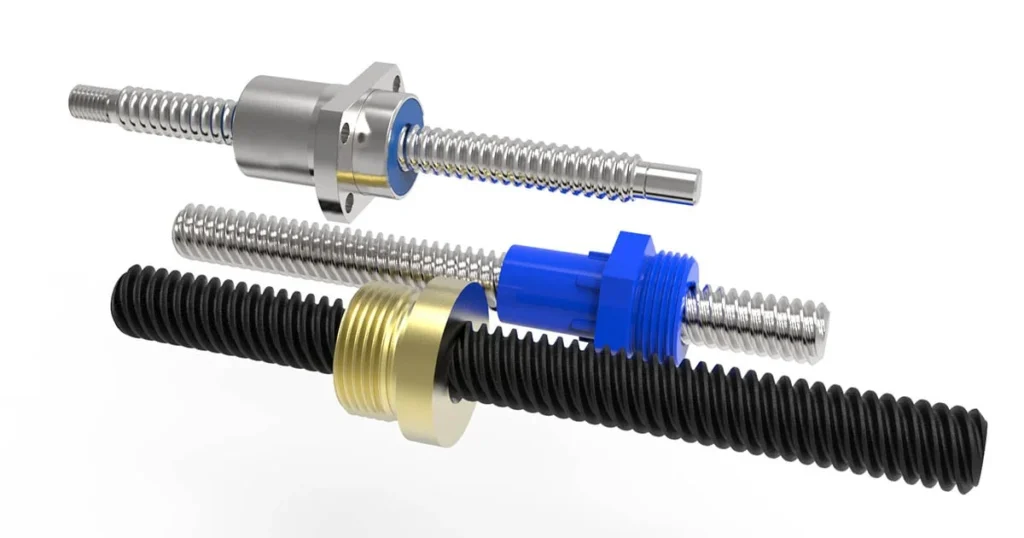
Precision Role in Mechanical Transmission Systems Lead screw systems rely heavily on interface accuracy to maintain stable linear motion. Lead screw end machining defines the geometric condition where torque is transferred into axial movement through couplings and bearings. When this interface is precisely controlled, vibration is reduced and load distribution becomes more uniform across the […]
What Is A Rolled Lead Screw And How Does It Work?
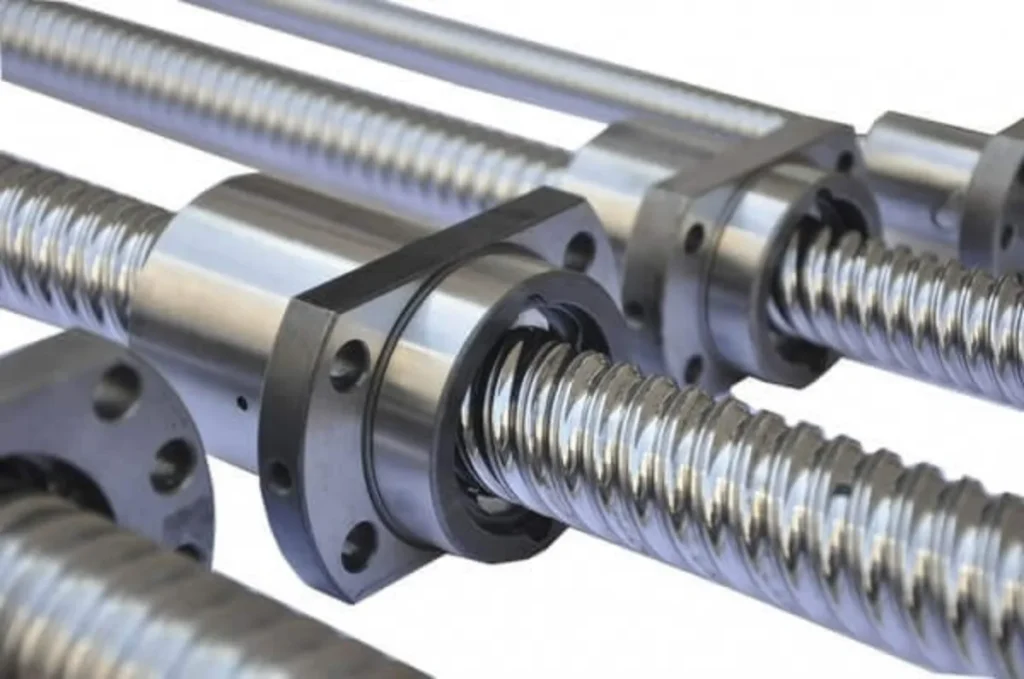
A rolled lead screw is a mechanical element used to convert rotary motion into precise linear movement in industrial automation systems. It is widely applied in CNC machinery, robotics, and positioning equipment where stable motion control is required. The structure is formed through a cold rolling process that shapes thread geometry under controlled pressure conditions. […]
How Do You Specify The Right Lead Screw?
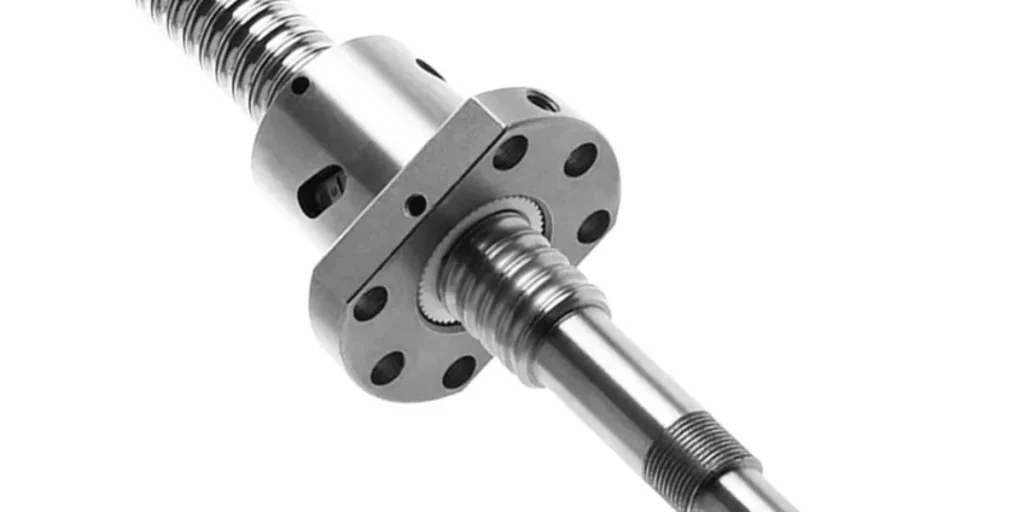
Specify lead screw is a core step in precision mechanical design today. Engineers use it to define motion accuracy and load behavior. Industrial automation relies on correct specification to ensure stable linear motion. The process connects geometry, material, and performance targets in one decision chain. Designers evaluate speed, torque, and environmental conditions early in development. […]
Lead Screw Material: Stainless Vs Steel—Which Is Better?
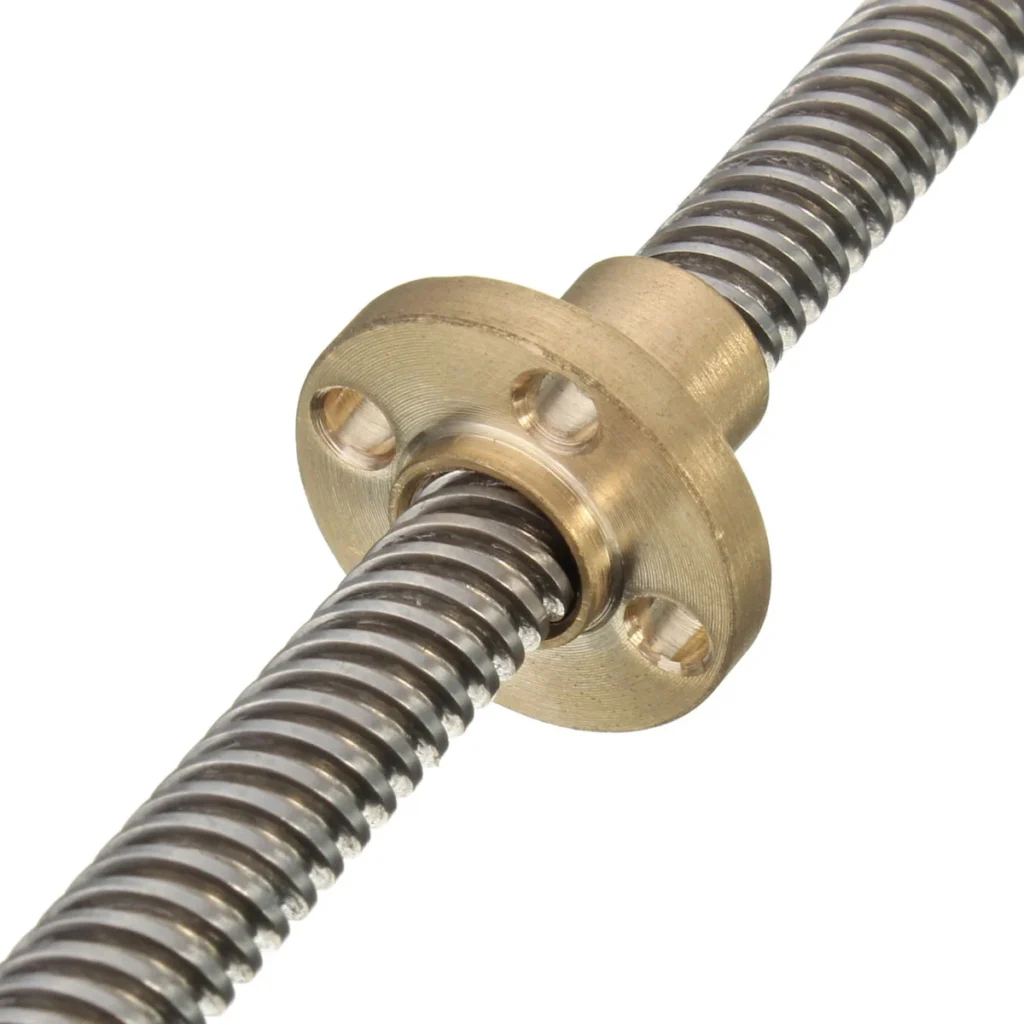
Lead screw material stainless vs steel plays a central role in precision motion design across industrial automation systems. Engineers rely on lead screws to convert rotary motion into controlled linear movement with high positioning accuracy. Material choice affects friction behavior, wear resistance, and long-term dimensional stability under continuous operation. Modern machinery demands consistent performance in […]
What Causes Lead Screw Backlash In Machines?
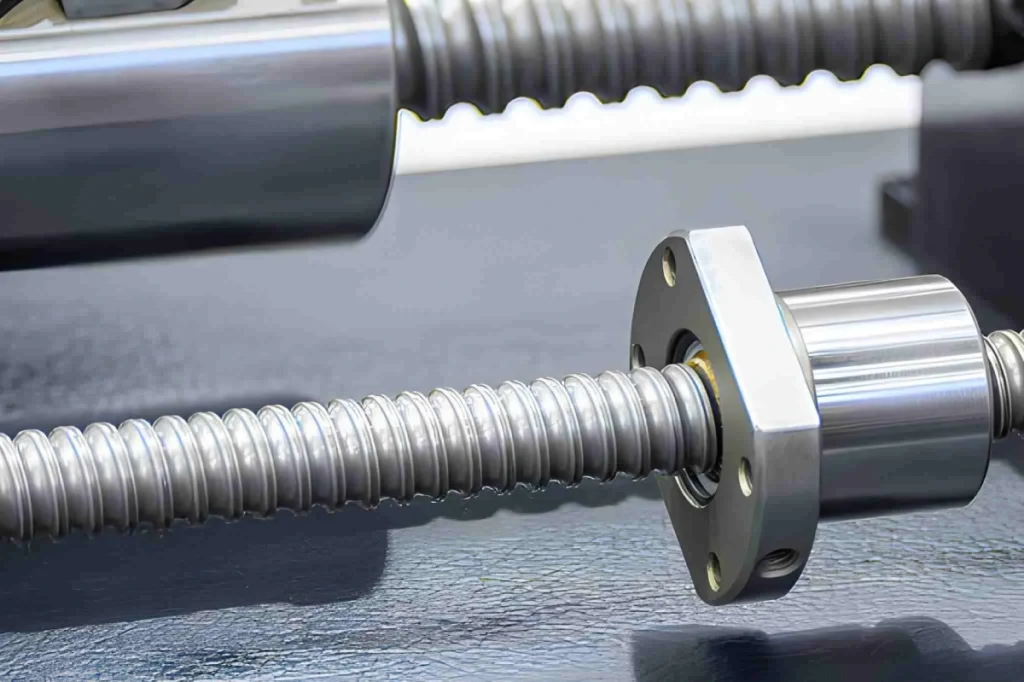
Advanced Motion Errors in Precision Mechanical Systems Lead screw backlash appears when axial clearance develops between screw threads and nut engagement. This condition reduces positioning accuracy in linear motion systems. Industrial machines rely on tight tolerances to maintain repeatable movement. Even small gaps can create measurable positioning deviation during load reversal. Engineers often observe this […]
Acme Vs Trapezoidal Lead Screw: What’s Different?
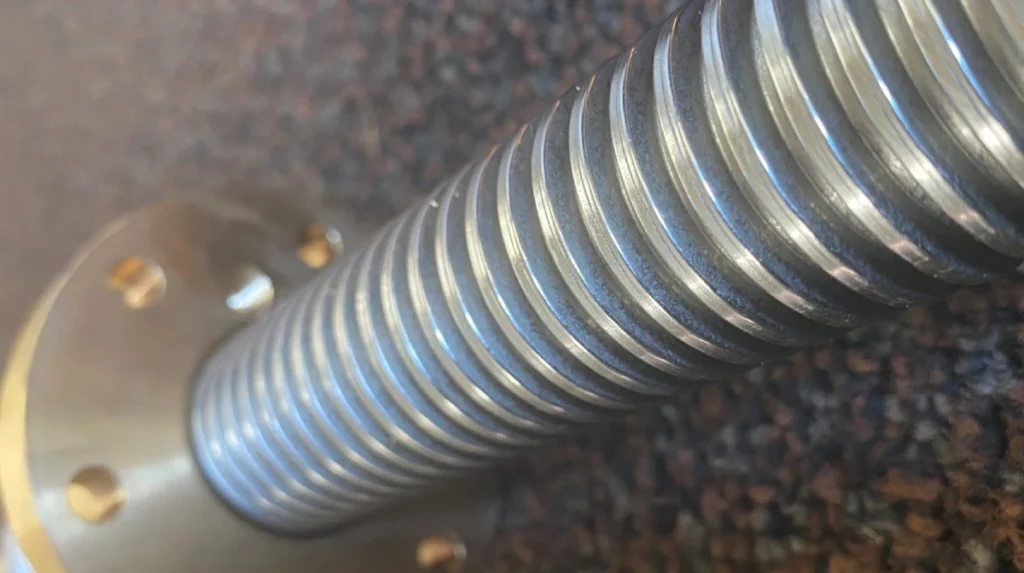
Acme vs Trapezoidal Lead Screw in Industrial Motion Systems Acme vs trapezoidal lead screw comparisons appear frequently in industrial purchasing discussions. Both thread systems support controlled linear movement inside automated equipment. Manufacturers install these screws inside CNC routers, packaging systems, textile machines, and positioning assemblies. American factories usually prefer Acme threads because domestic standards support […]
What Are The Differences Between Lead Screw Vs Ball Screw?
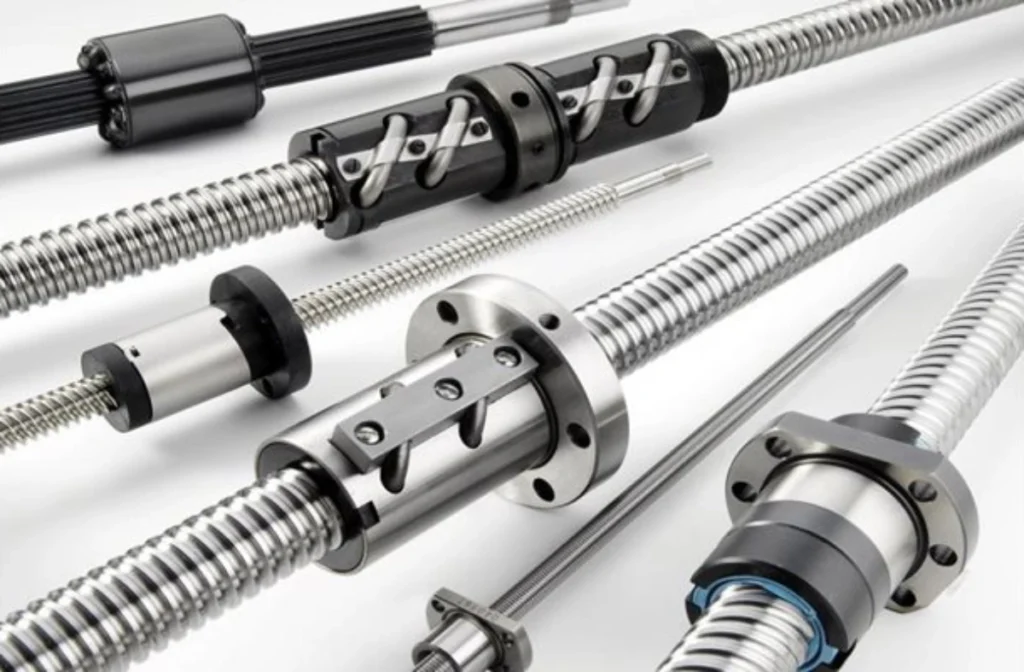
Linear motion systems define precision in modern automation environments. Engineers rely on them to convert rotary motion into controlled linear travel. This function directly affects accuracy, efficiency, and system durability. Manufacturing lines, robotics, and CNC machines all depend on stable transmission systems. Among available solutions, lead screw vs ball screw remains a core engineering comparison. […]
How To Choose A Reliable Lead Screw Manufacturer?
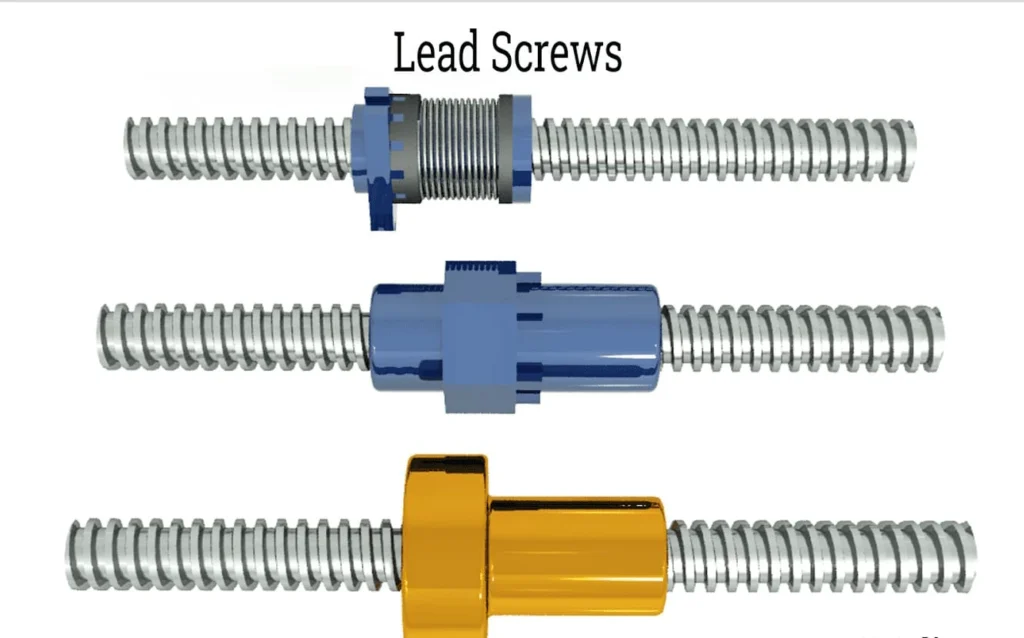
Industrial automation systems depend on precise linear motion performance. A reliable lead screw manufacturer directly affects positioning stability, load capacity, and equipment durability. Poor thread accuracy often creates vibration, backlash, and excessive wear during operation. Many packaging machines, CNC systems, and semiconductor devices require micron-level movement consistency. Manufacturers with advanced machining systems maintain stable lead […]
Why Is It Important To Calculate Load Per Leveling Foot?
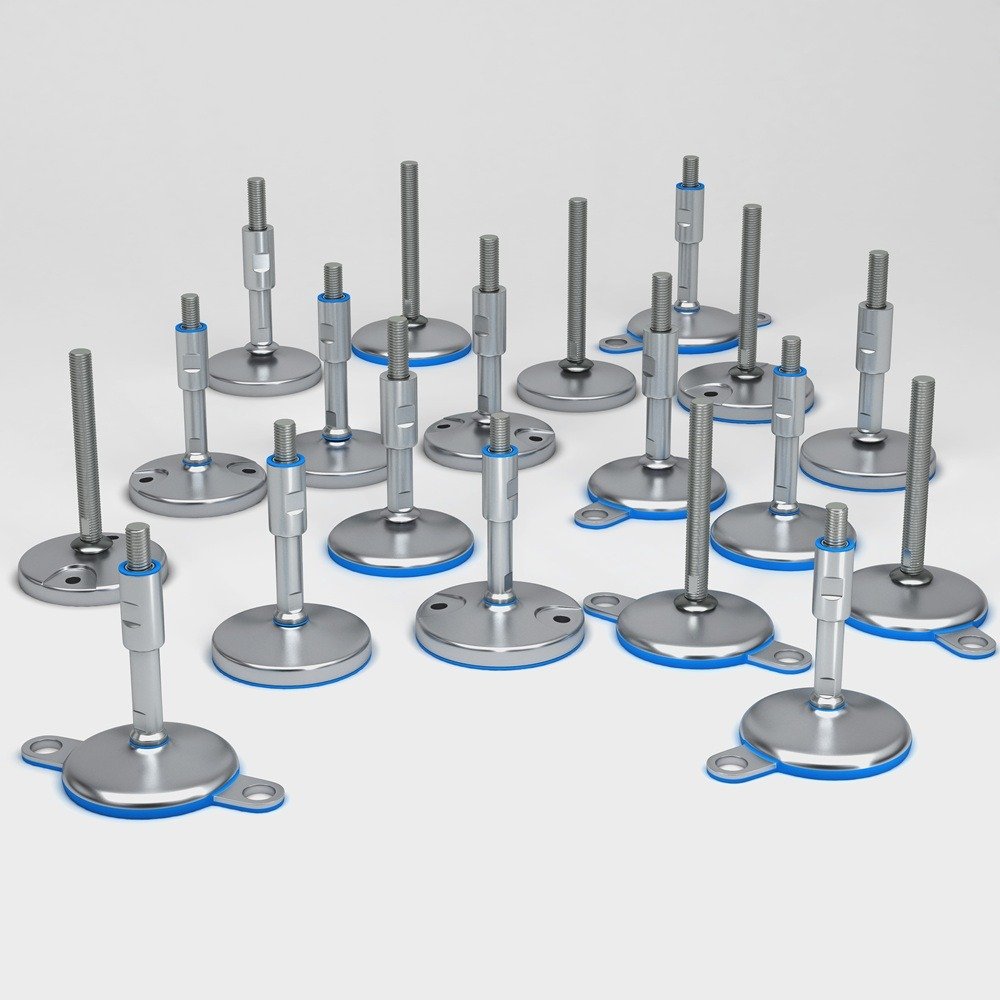
Industrial machine stability depends on accurate weight distribution across support points. The concept of calculate load per leveling foot helps engineers prevent uneven stress on machine bases. Poor distribution often leads to vibration, alignment drift, and structural fatigue. In production environments, even minor imbalance can reduce machining accuracy and increase maintenance cycles. Engineers use this […]