
Blind Hole vs Through Hole: Which Should You Choose?
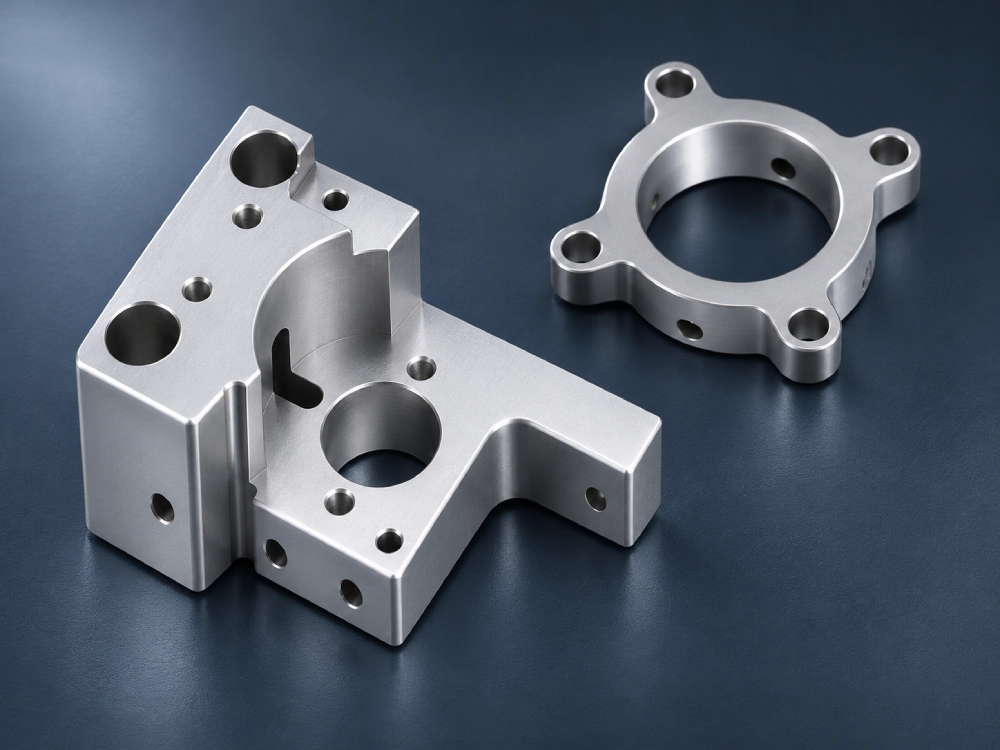
Start With the Exit and Assembly Requirements The blind hole vs through hole decision starts with whether the opening may reach the opposite surface. A blind hole stops inside the component. A through hole connects two surfaces through the material. Choose the first when the design needs an intact opposite face. Choose the second when […]
CNC Machining Internal Corner Radius: How to Choose
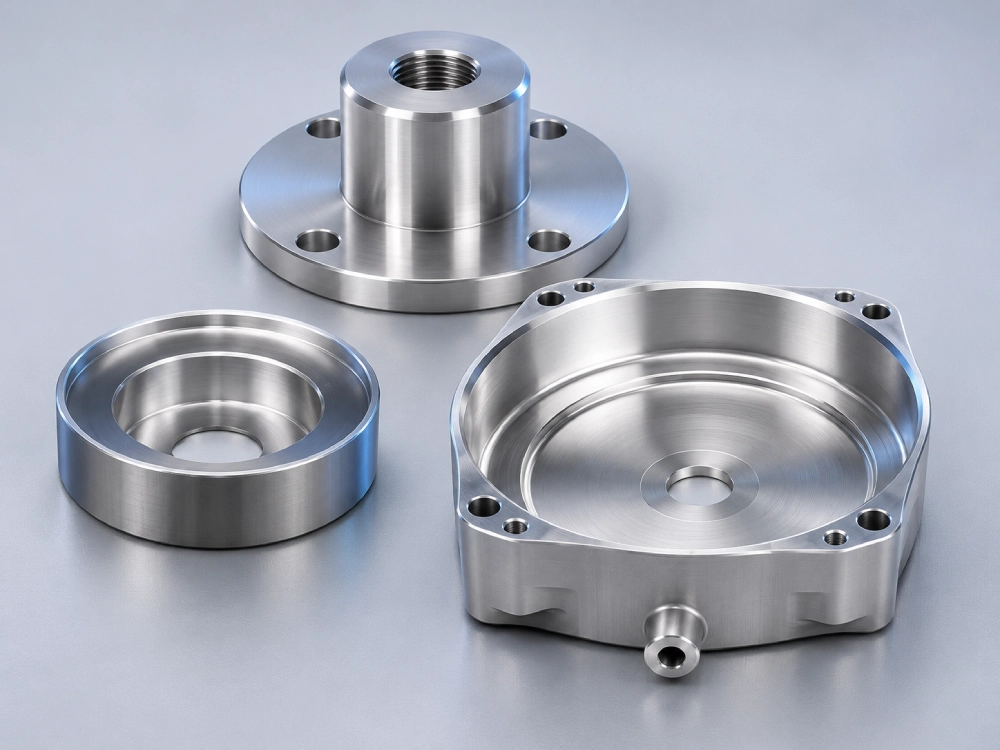
Identify the Corner Before Choosing a Dimension CNC machining internal corner radius affects cutter access, machining time, surface finish, and how mating parts fit. A rotating end mill leaves a curved transition where two vertical pocket walls meet. The floor-to-wall transition forms a different feature and may need a different cutter. Start by identifying which […]
Trapezoidal Lead Screws vs. Standard Threaded Rods
Why Do Industrial Adjustment Systems Use Trapezoidal Stainless Steel Lead Screws? How Do They Differ from Standard Threaded Rods? Industrial adjustment systems need reliable components to control linear movement, transfer mechanical loads, and maintain accurate positioning. From machine tools and packaging equipment to lifting mechanisms and adjustable fixtures, lead screws play an important role in […]
Why Do Stainless Steel Handles Loosen or Slip?
Why Do Stainless Steel Handles Loosen or Slip? Causes and Practical Solutions Stainless steel handles play an important role in industrial machinery, food processing equipment, automation systems, and mechanical assemblies. Operators use them to adjust, tighten, lock, and control equipment during daily operations. However, even a well-made stainless steel handle can become loose, rotate unexpectedly, […]
CNC Machining Minimum Wall Thickness: Design Guide
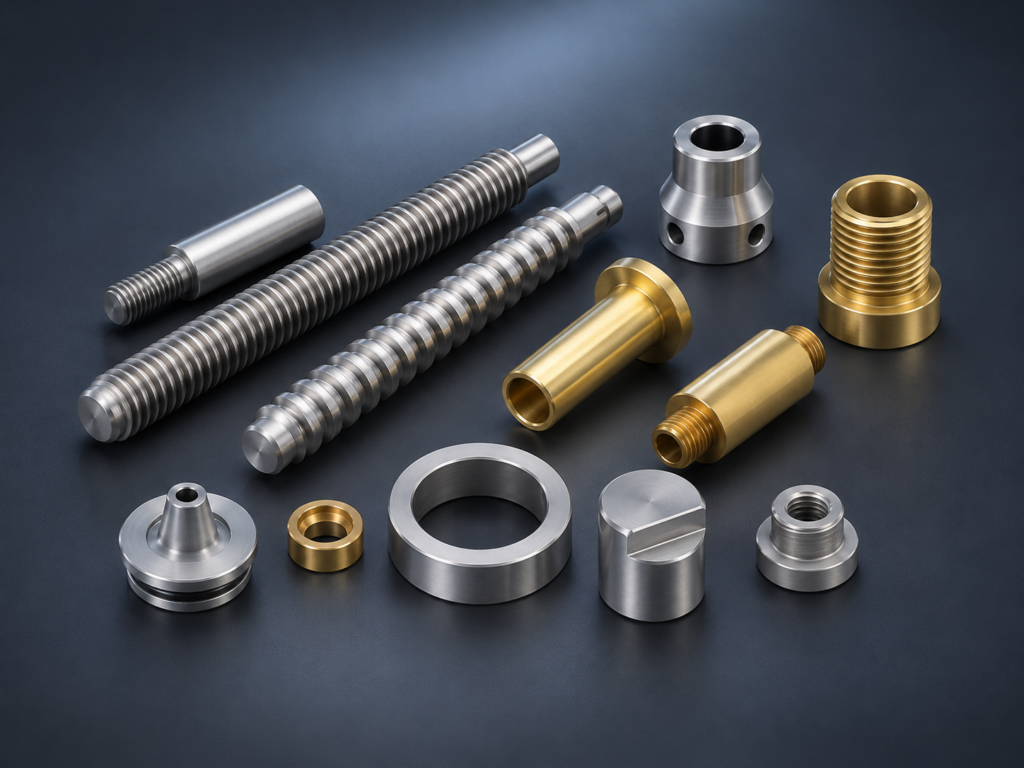
Start With Geometry, Material, and Function CNC machining minimum wall thickness depends on the wall’s height, unsupported span, material, and required accuracy. Published metal recommendations commonly start around 0.8 mm. Plastic recommendations often start around 1.5 mm. Some suppliers recommend thicker sections for economical production. Treat those values as design screening guidance and request a […]
How to Choose Stainless Steel Knobs for Instrument Equipment
How to Choose Stainless Steel Knobs for Instrument Equipment: Grip, Wear Resistance and Standards Stainless steel knobs play an important role in instrument equipment, industrial machinery, and precision mechanical assemblies. They allow operators to tighten, loosen, adjust, and position components by hand. When selecting stainless steel knobs, buyers should look beyond appearance and material. Grip […]
Clamping Knob for Adjustable Mounts: Selection Guide
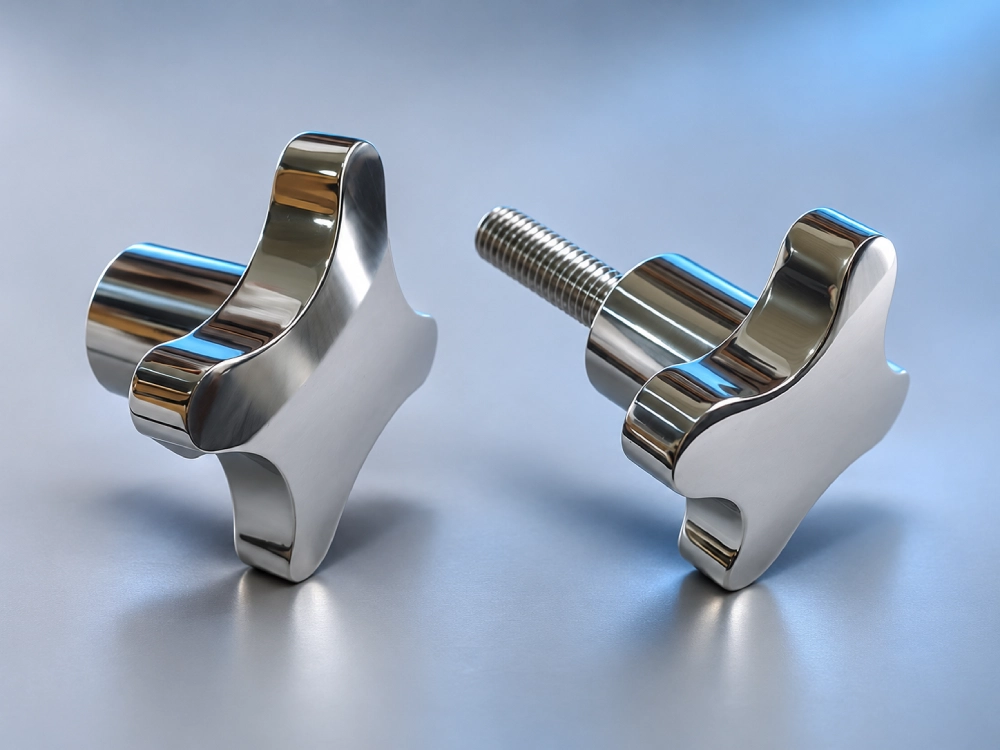
Start With the Motion You Need to Lock A clamping knob for adjustable mounts should hold the chosen position without making routine adjustments awkward. Start by identifying the movement the joint allows. A sliding bracket, pivoting arm, and split collar transmit loads differently. Record the equipment weight, adjustment range, operating orientation, and expected vibration. Include […]
How to Choose a Stainless Steel Handwheel for Industrial Equipment
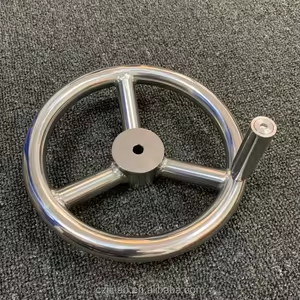
Choosing a stainless steel handwheel starts with the machine, not just the wheel diameter. Buyers need to check the shaft connection, available space, operating conditions and drawing requirements. A clear specification helps suppliers quote the same part and reduces assembly problems. This guide explains what to include when sourcing handwheels for machine tools, adjustment mechanisms […]
Clamping Knob for Machine Guards: Fit and Safety Guide
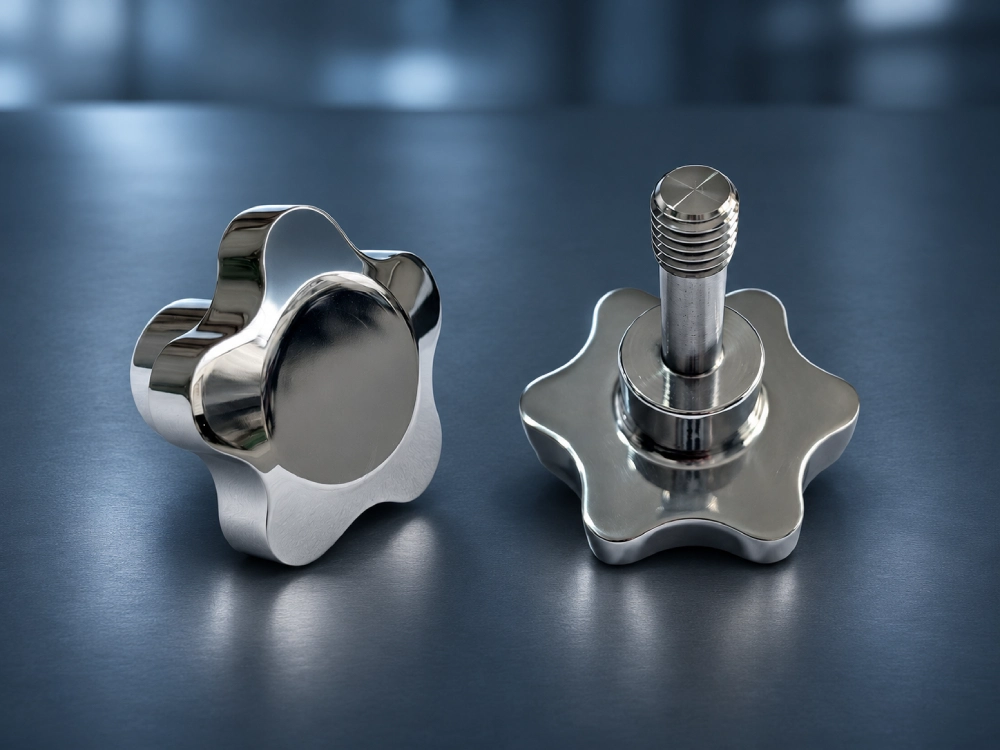
Identify What the Panel Actually Does Choose a clamping knob for machine guards only after confirming what the fastener does in the assembly. Two covers can look alike while serving different purposes. One might conceal wiring behind a separate barrier. Another might prevent access to a moving belt. Use the machine documentation and risk assessment […]
Stainless Steel vs. Cast Iron Handwheels: Why Choose 304 Stainless Steel?
Stainless Steel vs. Cast Iron Handwheels: Why Choose 304 Stainless Steel? When selecting handwheels for industrial machinery, material choice affects more than the initial purchase price. Corrosion resistance, mechanical performance, equipment weight, maintenance requirements, and operating conditions all influence long-term value.Stainless Steel Handwheels will be a great choice. Stainless steel handwheels and cast iron handwheels […]