
What Affects Cnc Machining Lead Time?
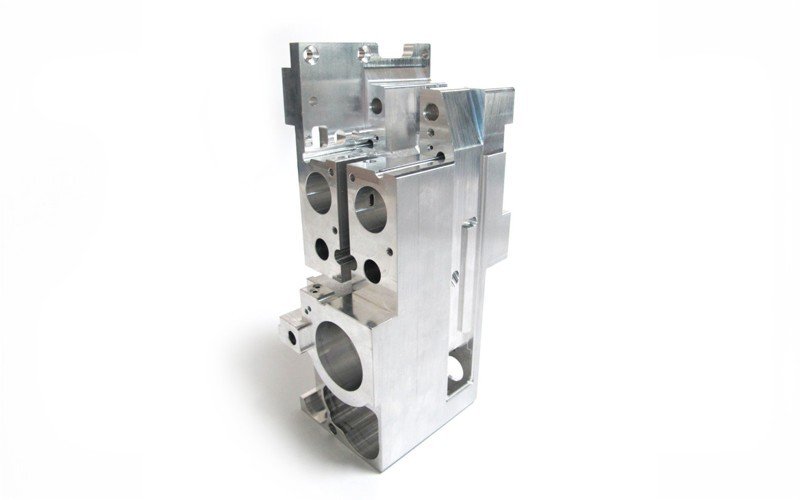
What Affects CNC Machining Lead Time CNC machining lead time is the total time required to move a part from a usable RFQ package to completed, inspected, packed, and dispatched components. It includes more than machine cutting time. Material sourcing, drawing review, programming, tooling, fixturing, setup, machining, secondary processes, inspection, documentation, packaging, and transport can […]
What Are Gd&T Symbols In Cnc Machining?
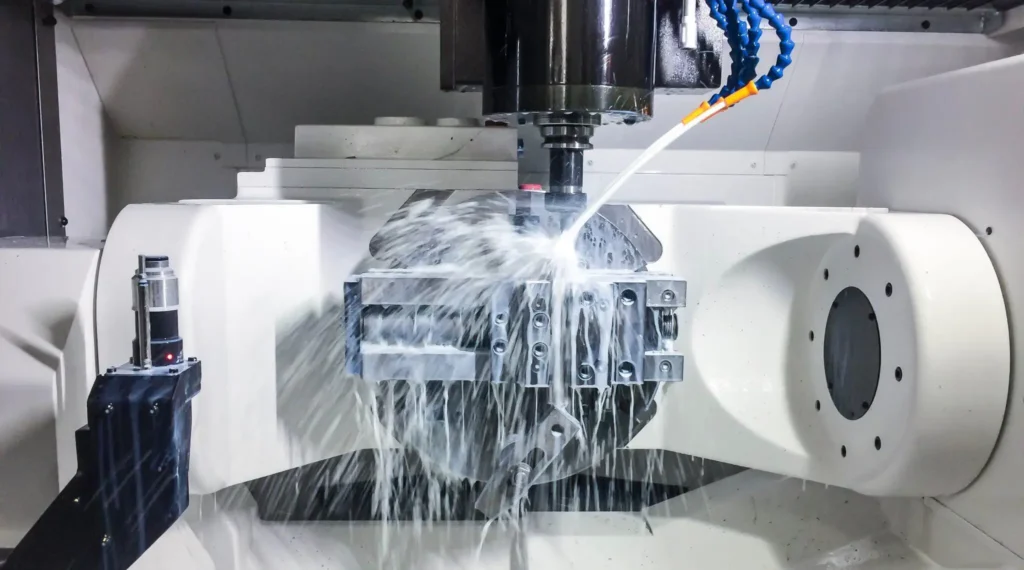
Introduction to Gd&T Symbols CNC in Modern Manufacturing Gd&T symbols CNC define geometric tolerances used in precision machining environments. Engineers apply these symbols to control shape, orientation, and location. Clear definitions help avoid ambiguity during production processes. Manufacturers rely on standardized tolerancing to ensure part consistency. Complex assemblies require accurate feature relationships to function correctly. […]
CMM Inspection Reports for CNC Machined Parts
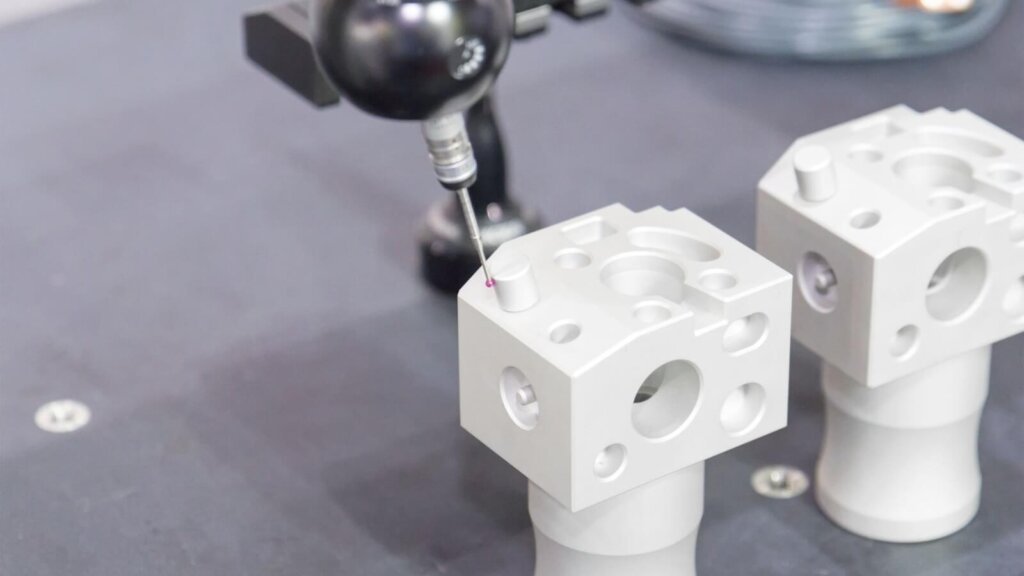
CMM Inspection Reports for CNC Machined Parts A CMM inspection report records dimensional results obtained with a coordinate measuring machine and compares them with defined drawing or model requirements. It can provide structured evidence for sizes, locations, orientations and geometric tolerances that are difficult to evaluate with simple hand tools. The value of the report […]
EDM vs CNC Machining: Which Process Fits the Part?
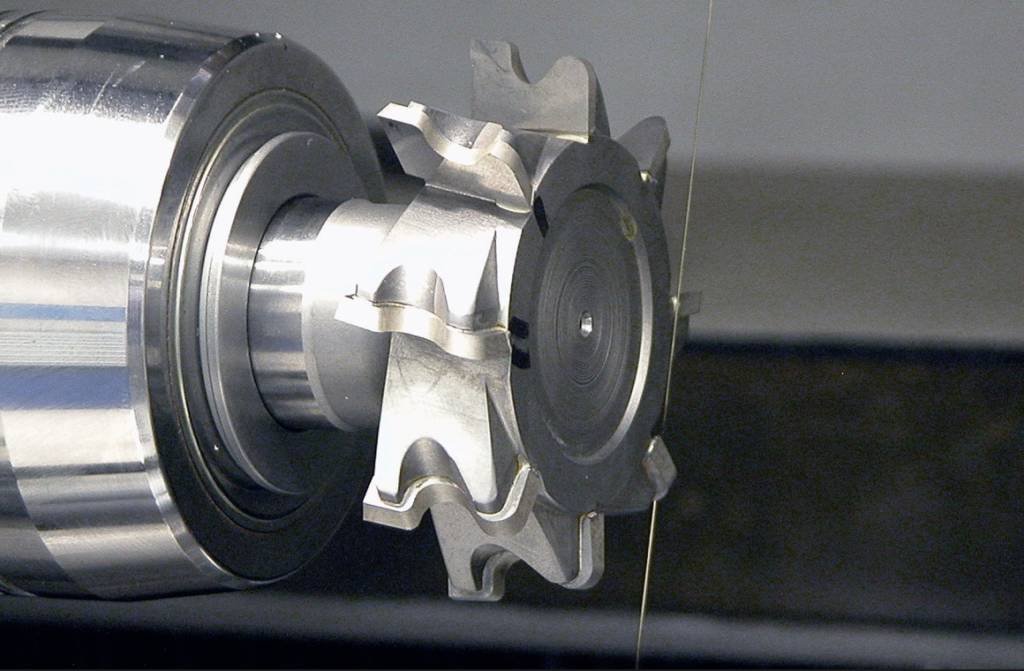
EDM vs CNC Machining: Which Process Fits the Part? “EDM vs CNC machining” is a useful search question, but the terms are not perfect opposites. Electrical discharge machining (EDM) uses controlled sparks to remove conductive material; many EDM machines are themselves CNC-controlled. In this guide, “CNC machining” means conventional cutting processes such as CNC milling […]
What Is Cnc Knurling Design And How Does It Work?
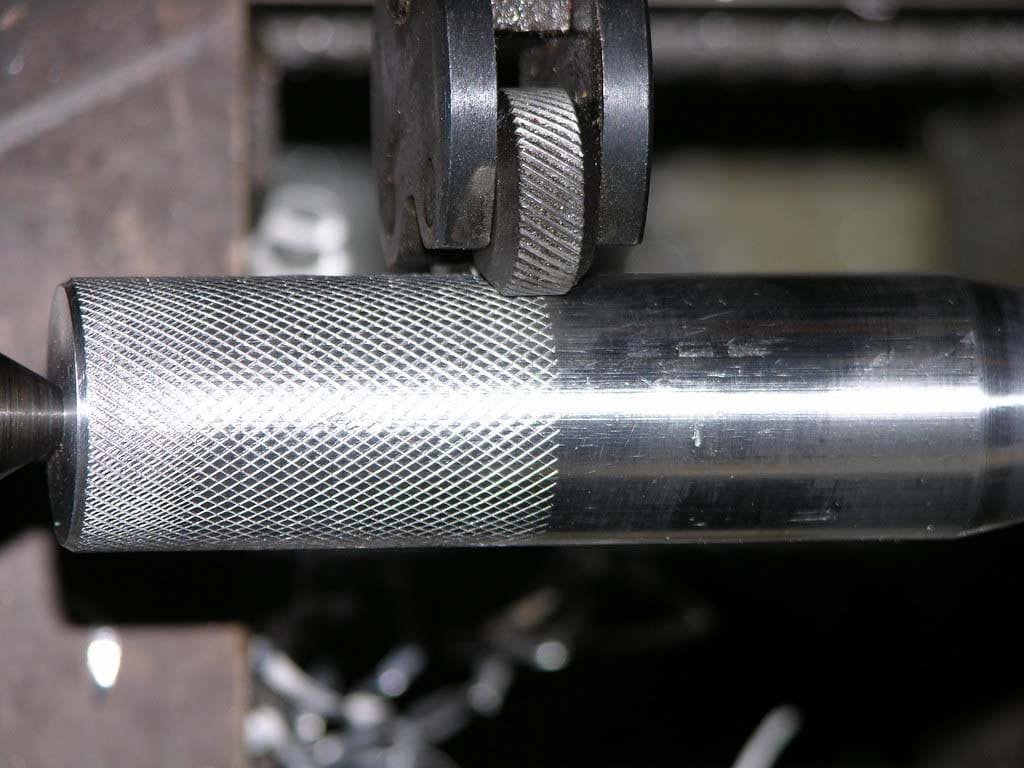
Cnc knurling design plays a critical role in modern precision machining environments. It enhances surface grip and improves product usability across many industries. Manufacturers apply this process to create textured patterns without removing material. Instead, controlled deformation forms consistent ridges on cylindrical surfaces. Engineers rely on this method for both functional and decorative purposes. The […]
Thread Rolling vs Cutting: What Is the Difference
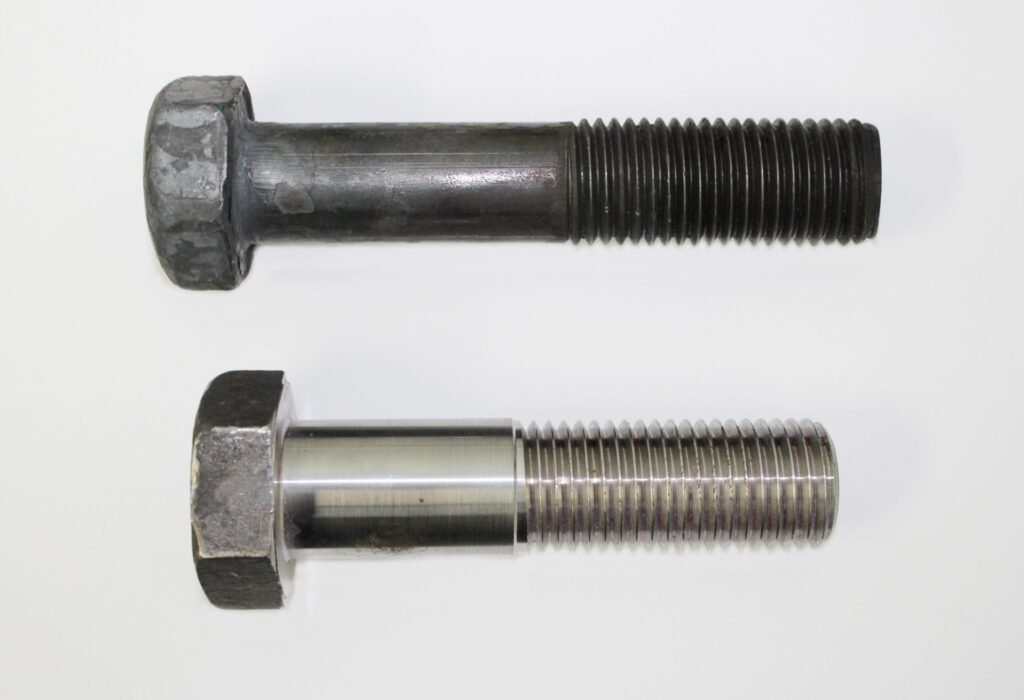
Thread rolling vs cutting remains a key comparison in precision manufacturing. Engineers frequently assess both methods for producing threaded components. Rolling creates threads through controlled plastic deformation. Cutting shapes threads by removing material with taps, dies, or CNC tools. Each process affects strength, cost, and efficiency in different ways. Manufacturing environments require careful selection to […]
Engineering Plastics Machining: Material and Process Guide
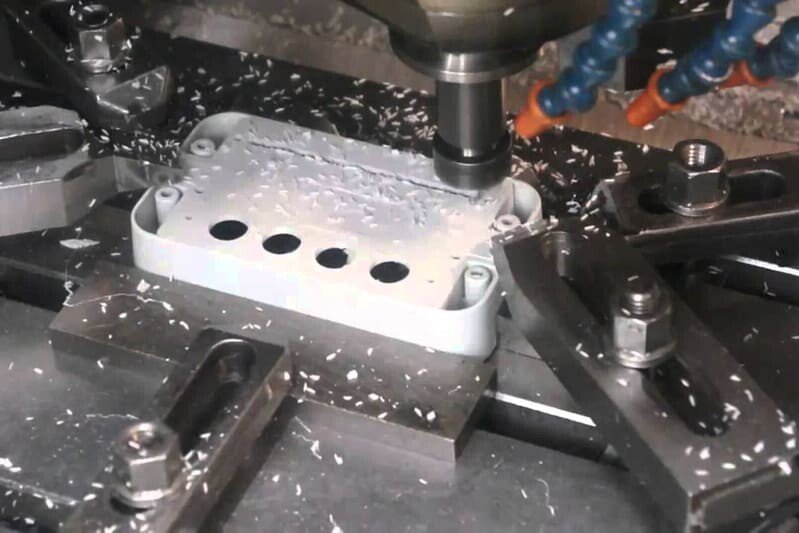
Engineering Plastics Machining Material and Process Guide Engineering plastics machining requires a different approach from machining steel, aluminum, or brass. Plastics generally have lower stiffness and lower thermal conductivity than metals. They can move under clamping pressure, retain heat around the cutting edge, develop burrs, and change dimensions as temperature or moisture conditions change. For […]
Brass Vs Bronze Cnc Machining: Key Differences?
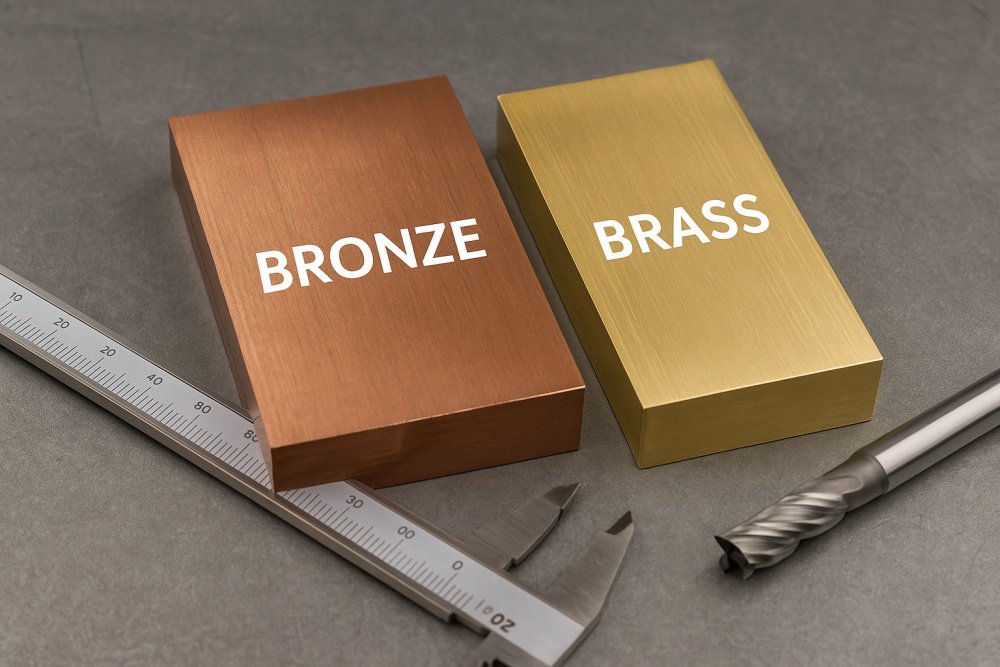
Brass vs bronze cnc machining plays a crucial role in modern precision manufacturing decisions. Engineers often compare these alloys for performance and efficiency. Material selection directly influences machining speed, durability, and final product quality. Brass delivers excellent machinability due to its zinc composition. Bronze provides higher strength and superior wear resistance in demanding environments. Manufacturers […]
6061 Vs 7075 Cnc Machining: Key Differences?
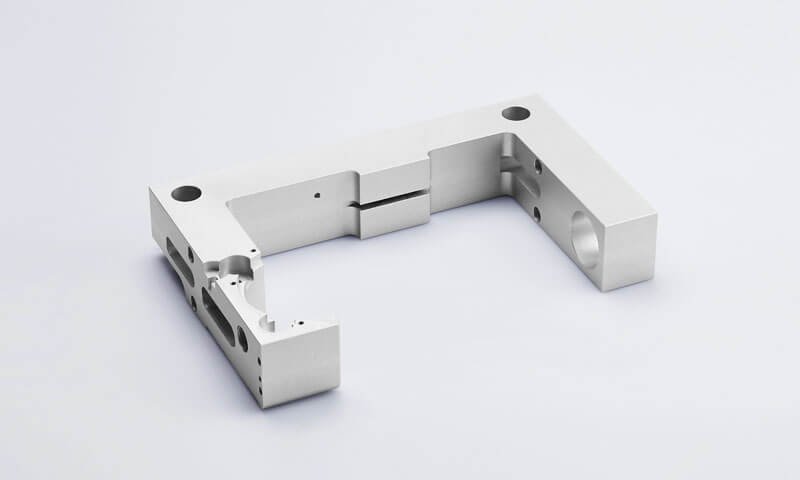
6061 vs 7075 cnc machining plays a critical role in modern manufacturing decisions. Engineers often compare these alloys for strength and machinability balance. Aluminum alloys dominate CNC applications due to versatility and cost efficiency. Manufacturers prefer lightweight materials for aerospace and automotive parts. 6061 aluminum offers excellent corrosion resistance and weldability. 7075 aluminum provides superior […]
How Do 304, 316, 316l Compare In Machining?
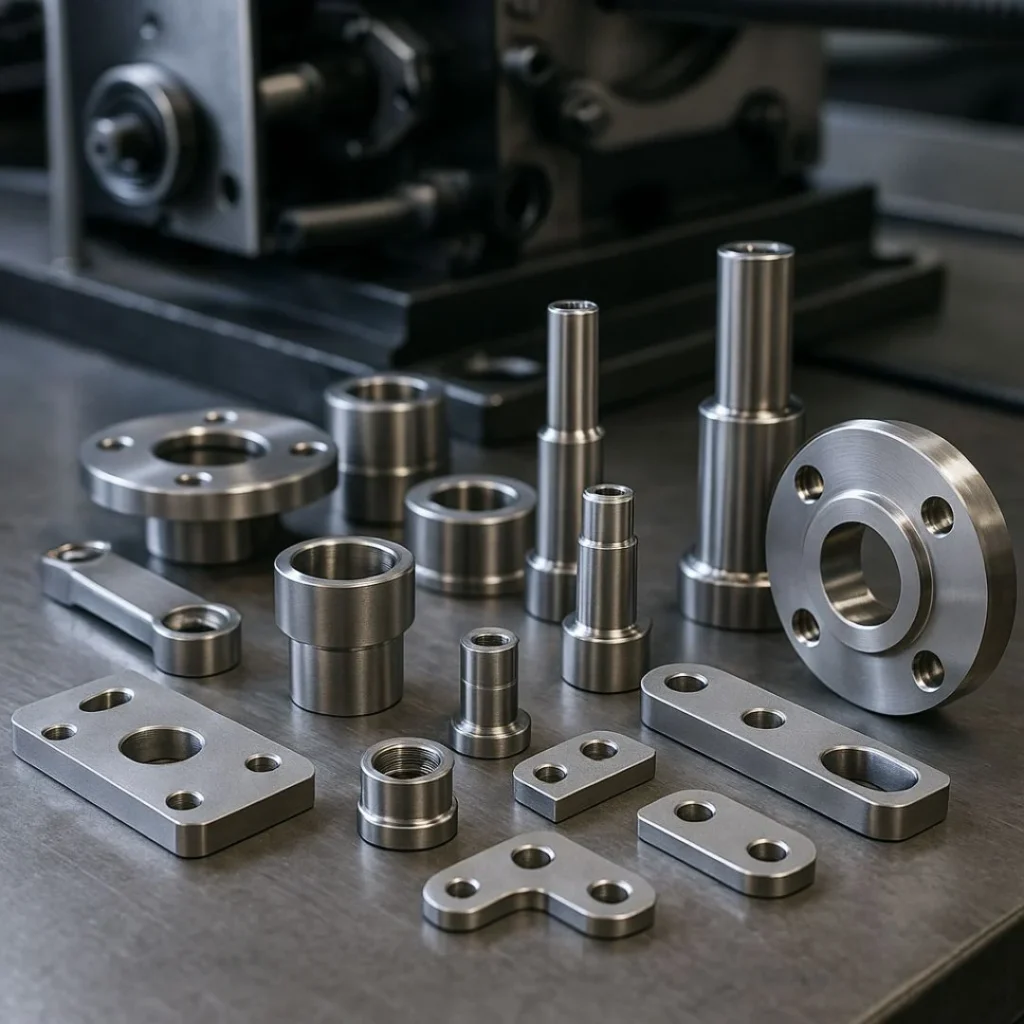
304 vs 316 vs 316l stainless steel machining defines key differences in manufacturing efficiency and material behavior. Engineers evaluate these alloys based on machining difficulty and durability requirements. Each grade features unique alloy compositions affecting cutting performance. 304 provides balanced machinability and affordability for general applications. In contrast, 316 offers superior corrosion resistance due to […]