
Why Do Industrial Machines Need Plum Couplings?
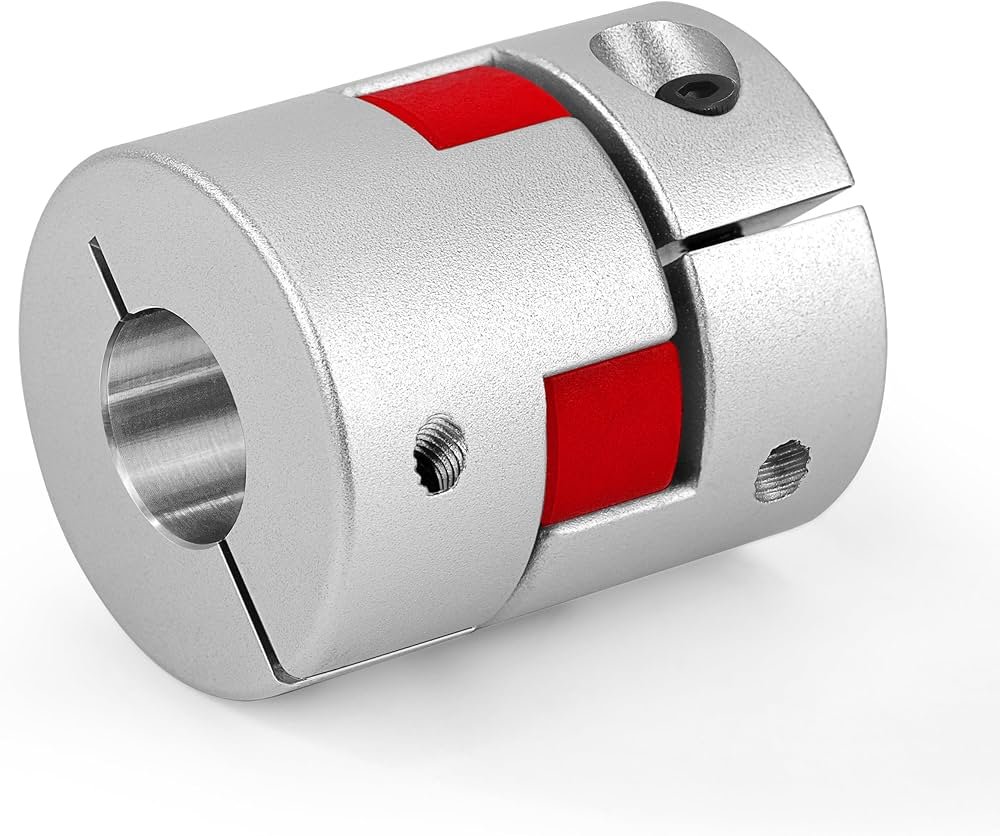
The Functional Role of a Plum Coupling in Industrial Drivetrains Modern manufacturing plants rely on robust transmission components for daily operations. Electric motors generate rotational force to drive heavy industrial equipment. A heavy-duty plum coupling secures the connection between motor shafts. This component transmits torque smoothly while absorbing sudden mechanical shocks. Elastomeric inserts sit between […]
How To Choose The Right Diaphragm Coupling?
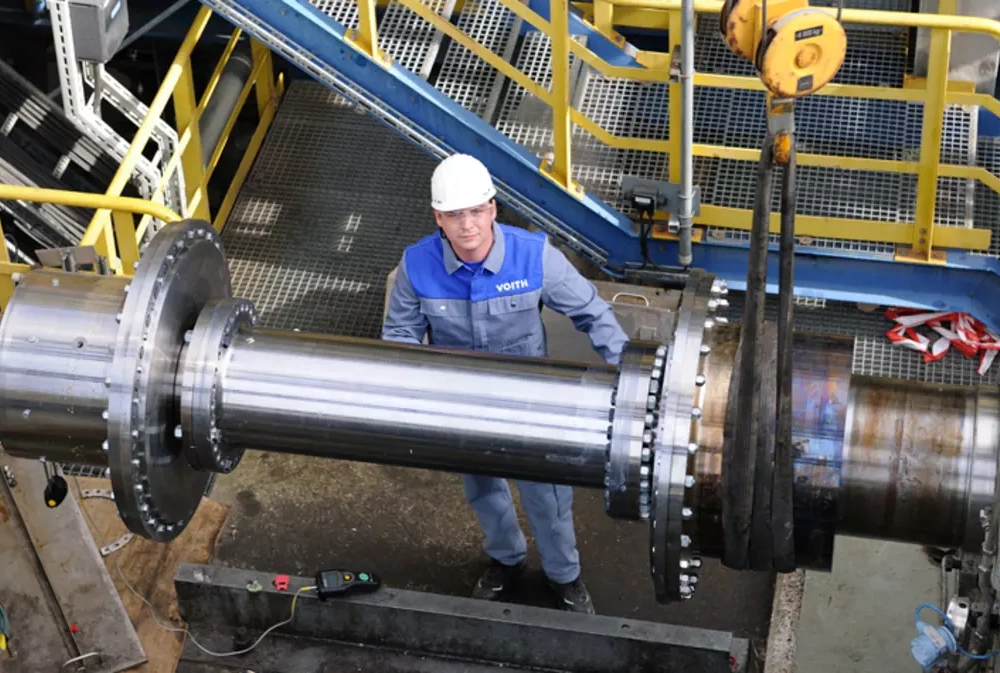
Selecting High-Performance Industrial Shaft Connectors Modern industrial plants require reliable power transmission systems to maintain continuous operations. Engineers must evaluate mechanical connectors carefully to prevent unexpected equipment downtime. A premium diaphragm coupling offers excellent torsional stiffness for high-speed turbomachinery. This robust component accommodates multiple alignment errors without generating high reaction forces on bearings. Heavy machinery […]
How To Choose Elastomeric Coupling Spider Material?
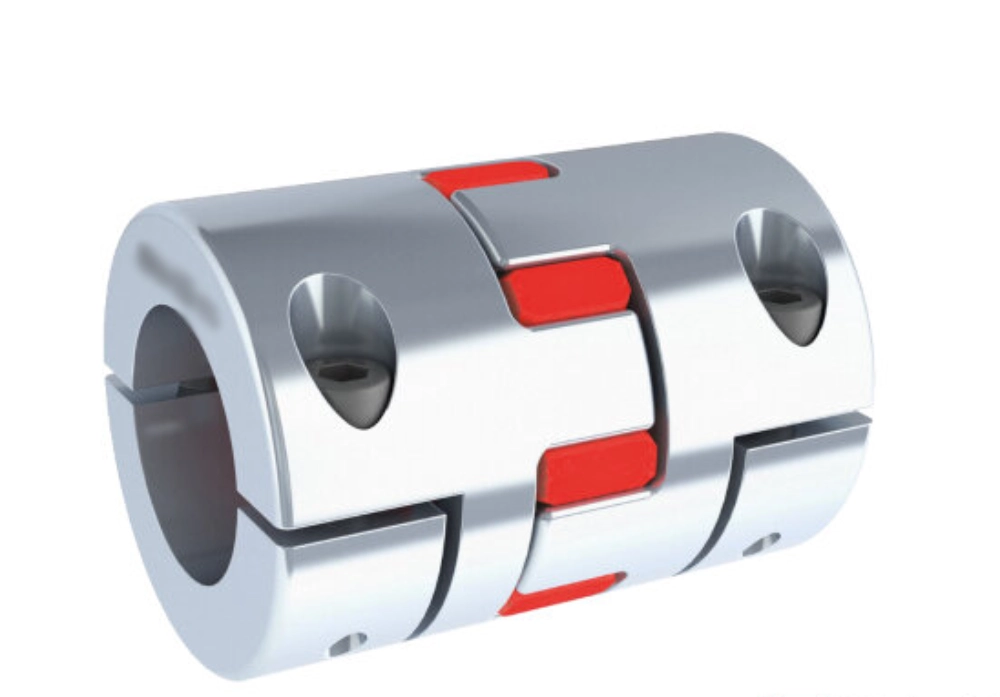
Optimizing Industrial Systems with Reliable Components Industrial drive systems require durable power transmission components to minimize sudden mechanical breakdowns. Selecting the correct elastomeric coupling spider material directly impacts machinery lifespan and overall operational efficiency. This critical insert absorbs harmful shock loads and accommodates axial shaft misalignment during high-speed rotation. Engineers must analyze specific operational factors […]
Flexible Coupling Vs Rigid Coupling: Which Is Better?
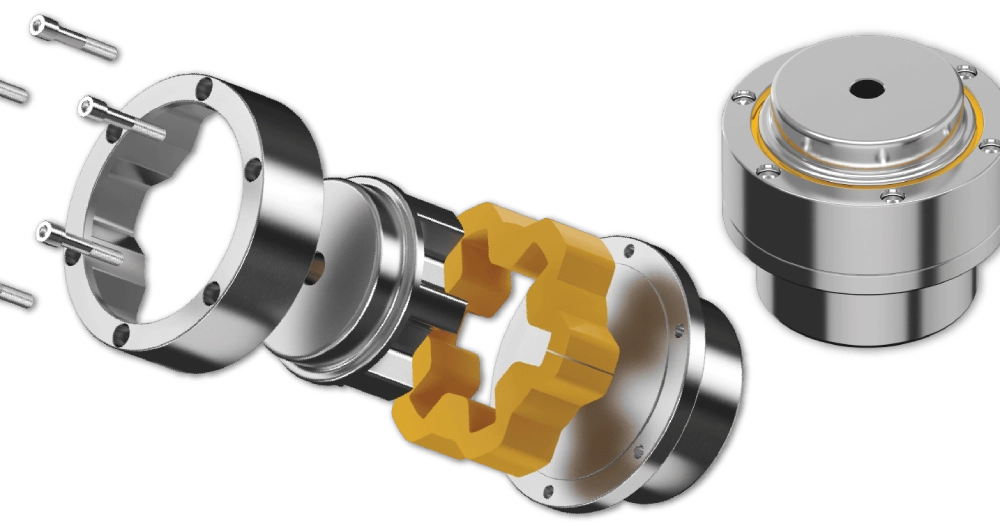
Evaluating Flexible Coupling Vs Rigid Coupling in Heavy Industries Mechanical power transmission systems require precise component selection to ensure operational efficiency. Engineers frequently debate the merits of flexible coupling vs rigid coupling designs for critical machinery. Rigid devices establish a solid, unyielding connection between collinear shafts. They transmit maximum torque without any rotational backlash or […]
What Is An Industrial Coupling And How Does It Work?
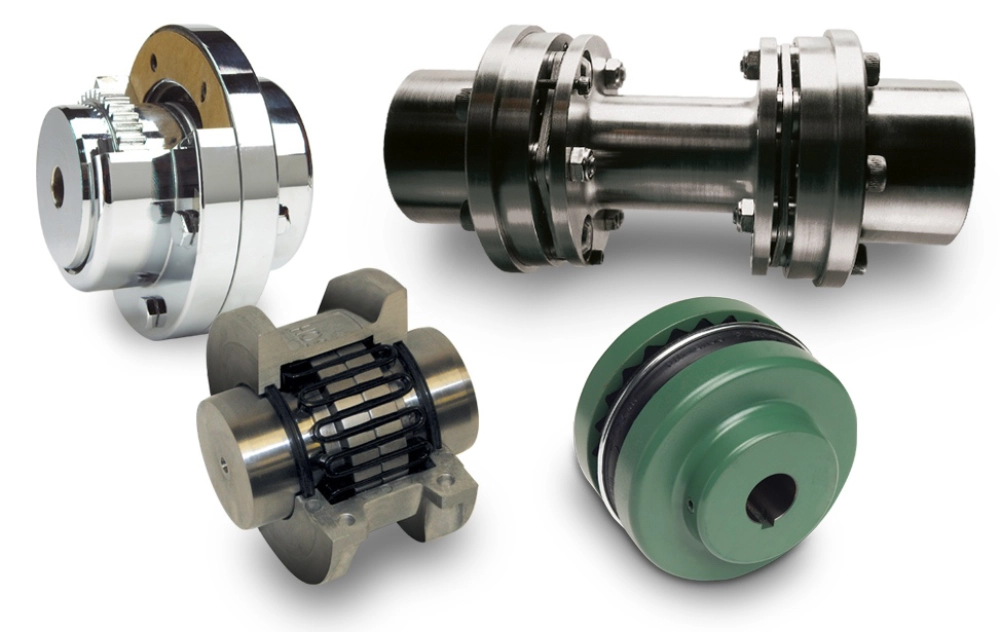
The Technical Role of an Industrial Coupling Heavy machinery systems require reliable power transmission components to operate efficiently. An industrial coupling connects two rotating shafts to transmit torque smoothly. Proper power transmission reduces vibration and protects expensive system motors from sudden shocks. Mechanical engineers choose these components based on shaft sizes and rotational speeds. Misalignment […]
What Depth Is Typical For Industrial Gears?
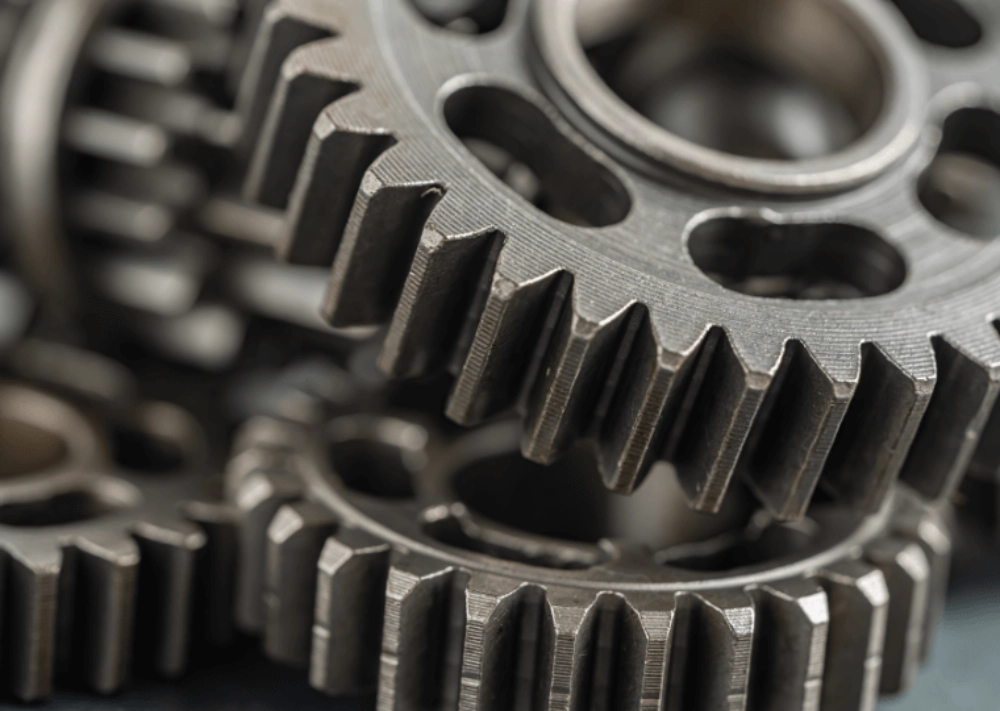
Standard Values of Industrial Gear Tooth Depth in Heavy Machinery Heavy machinery systems require highly precise components to transfer immense rotational power under extreme load conditions. Proper engineering of these mechanical components ensures long-term operational reliability across many different factory settings. Severe industrial applications demand specific geometric dimensions to prevent sudden tooth deflection and costly […]
What Causes Gear Failure Pitting Scuffing Problems?
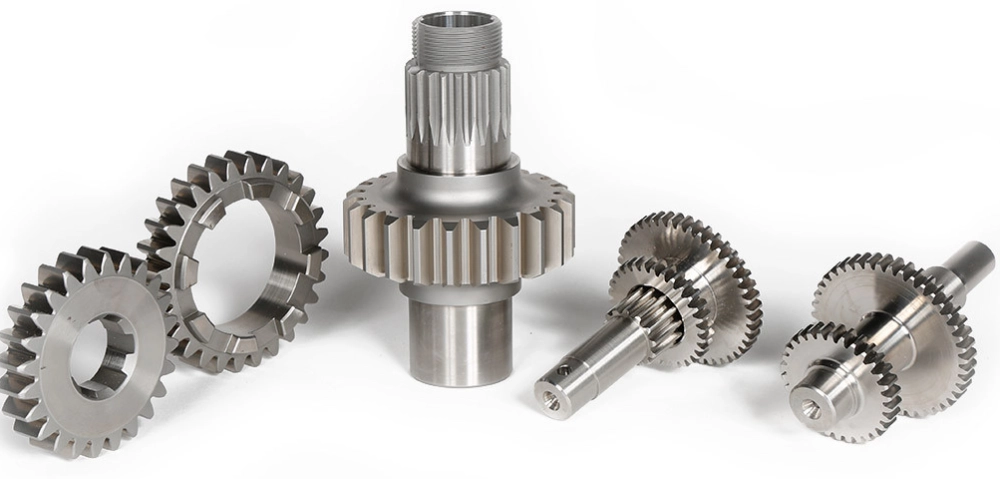
Analyzing Gear Failure Pitting Scuffing Mechanisms Heavy machinery operations frequently encounter gear failure pitting scuffing issues during high-load applications. These destructive surface phenomena degrade machinery components rapidly. Industrial power transmissions require optimal surface integrity to prevent premature mechanical breakdown. Microscopic cracks initiate beneath the tooth surface because of repeated cyclic contact stresses. Eventually, these cracks […]
Gear Grinding Vs Hobbing: Which Is Better?
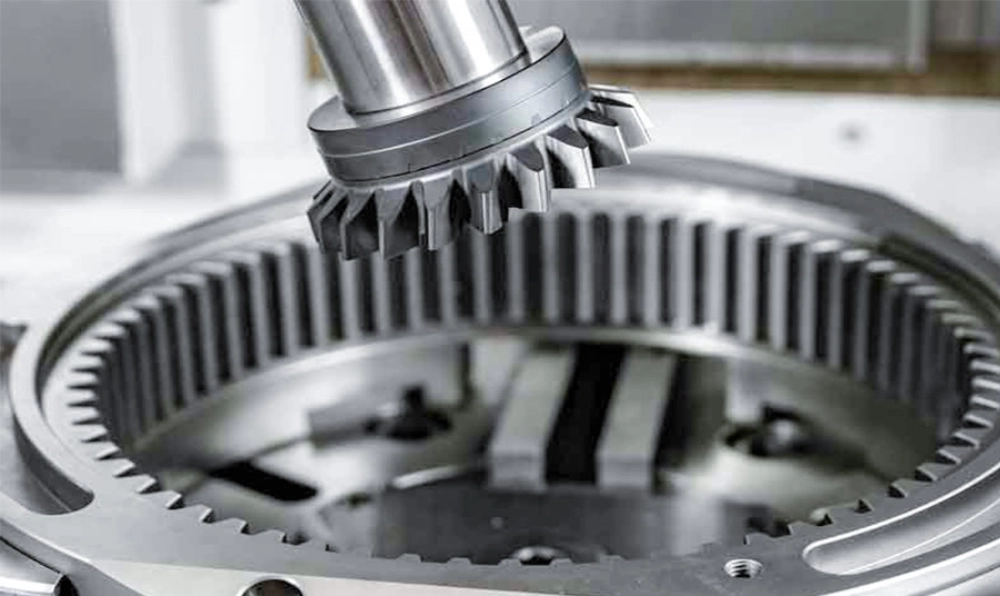
Decoding Gear Grinding Vs Hobbing for Heavy Industry Modern industrial plants require durable power transmission components to maintain continuous factory operations. Engineers design these critical components using advanced metal cutting techniques. Choosing the correct method directly impacts production speed and machine efficiency. For power transmission designers, evaluating gear grinding vs hobbing remains a critical step. […]
Why Is Gear Heat Treatment Case Hardening Important?
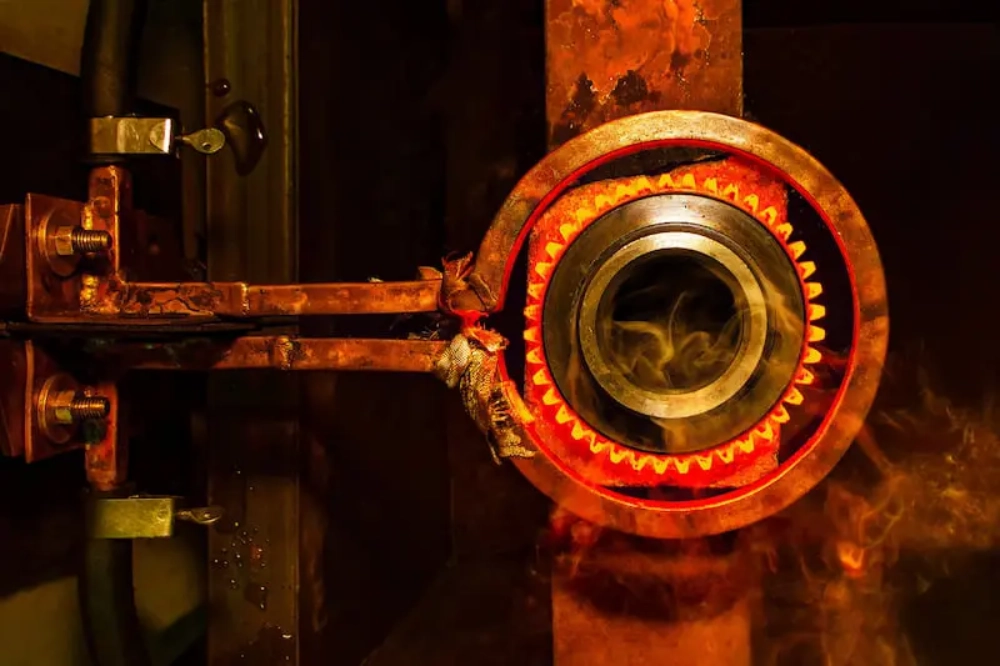
Analyzing Gear Heat Treatment Case Hardening Principles Heavy machinery demands robust mechanical components to withstand immense operational stress. Transmission systems suffer severe damage when surfaces fail under contact pressure. Proper gear heat treatment case hardening solves this critical degradation issue. Metallurgists heat the outer steel layer to high temperatures within carbon-rich atmospheres. This chemical diffusion […]
How To Specify A Gear Correctly For Better Performance?
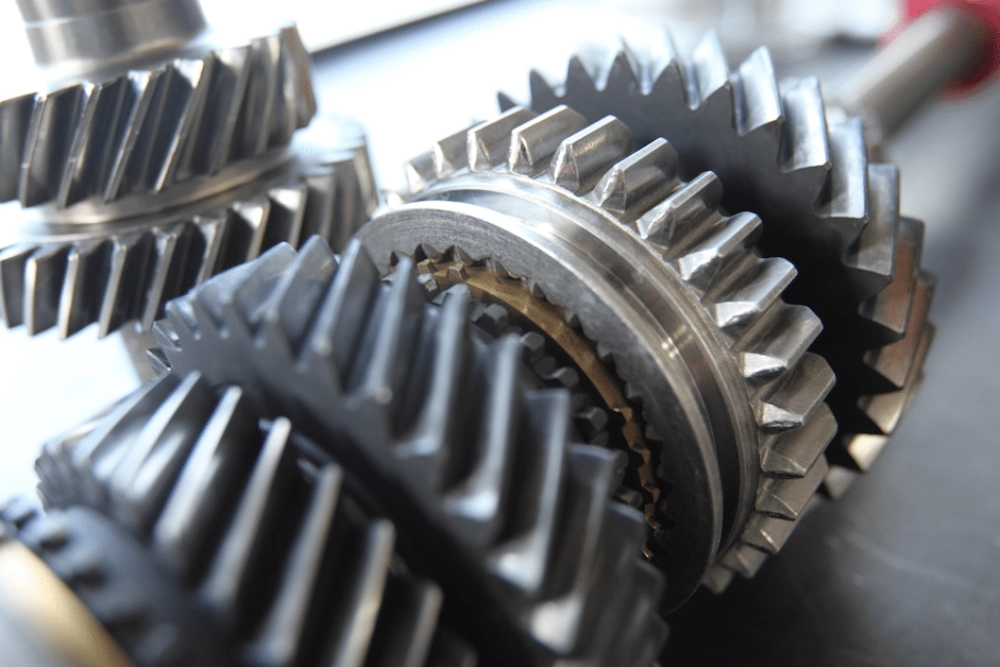
Load And Torque Definition In How to specify a gear For Mechanical Systems Accurate torque evaluation defines the foundation of reliable gear design in industrial applications. Engineers must first determine transmitted load, peak shock conditions, and continuous duty cycles. When considering how to specify a gear, early load analysis ensures that peak stresses are managed […]