
Welded Vs Seamless Pipe Fittings: Which Is Better?
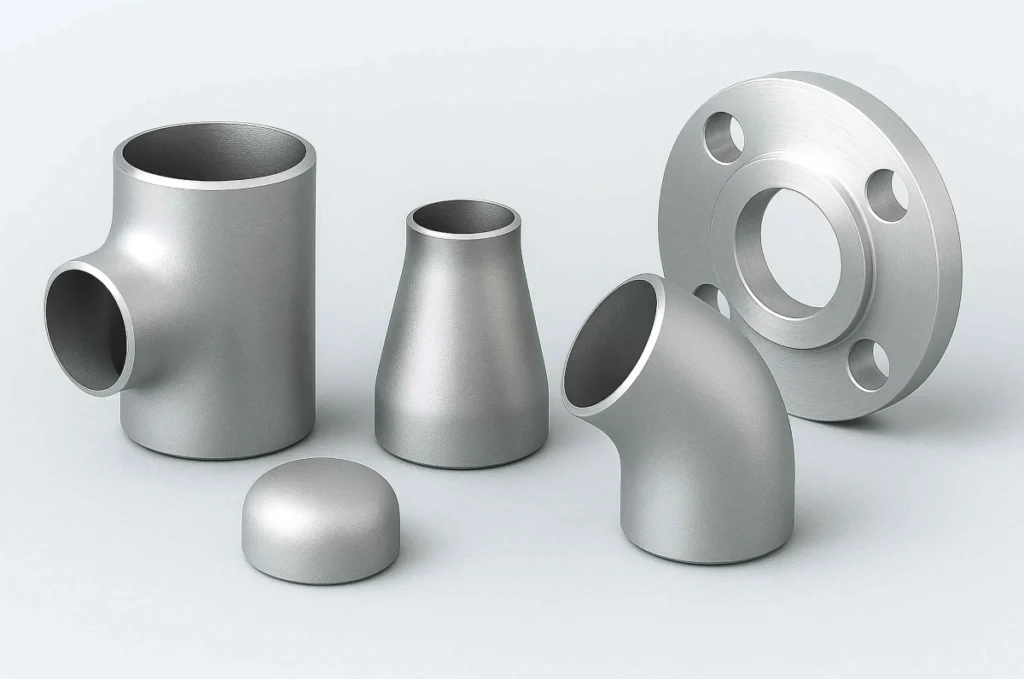
Welded vs seamless pipe fittings influence pressure stability, maintenance frequency, and production efficiency across industrial systems. Manufacturing plants require fittings that tolerate vibration, thermal cycling, and chemical exposure without structural deformation. Pipeline engineers often compare grain structure, wall consistency, and inspection standards before procurement decisions. Oil refineries prioritize reliable flow performance under extreme temperatures and […]
What Is The Difference Between 45 Vs 90 Degree Pipe Elbow?
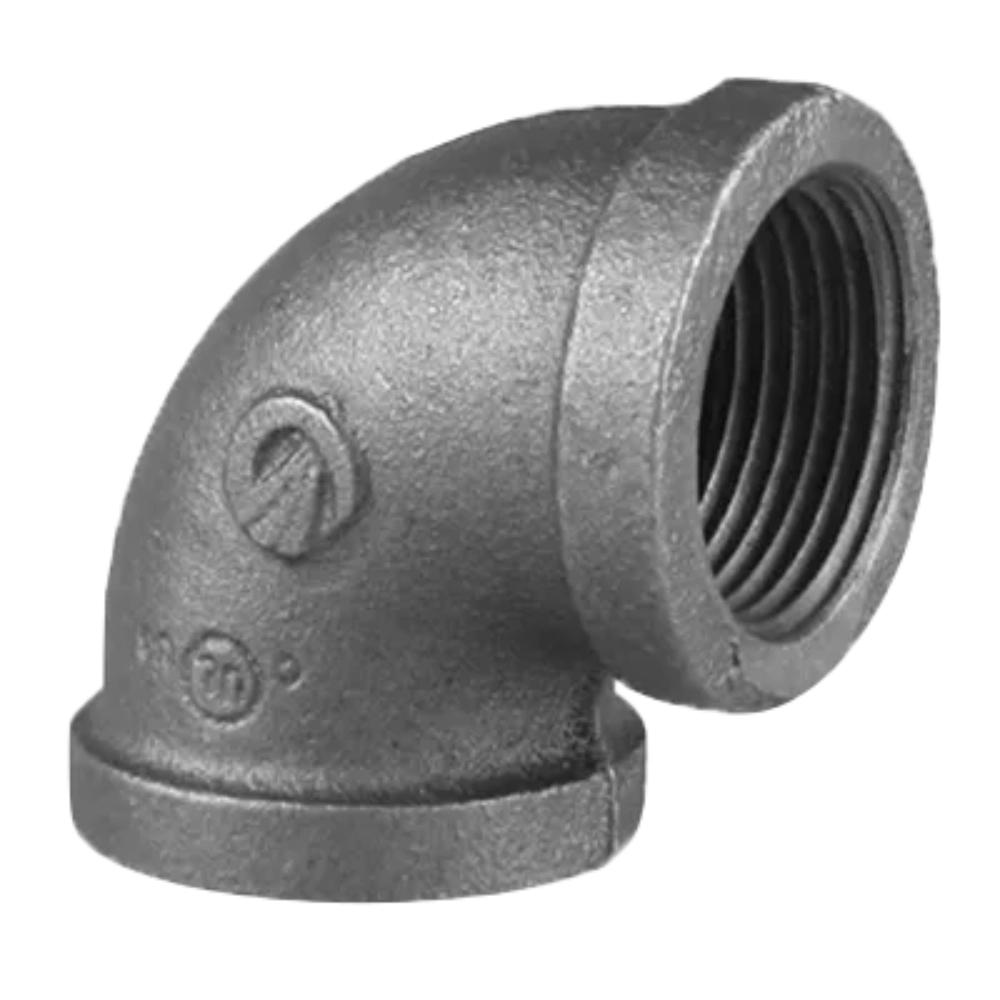
Introduction To 45 Vs 90 Degree Pipe Elbow Pipe elbows are essential components in industrial piping systems, directing the flow of fluids efficiently. The 45 vs 90 degree pipe elbow choice impacts fluid dynamics, pressure drop, and long-term system reliability. A 45-degree elbow gently redirects flow, reducing turbulence and minimizing energy loss. In contrast, a […]
What Are Sanitary Tri Clamp Fittings Used For?
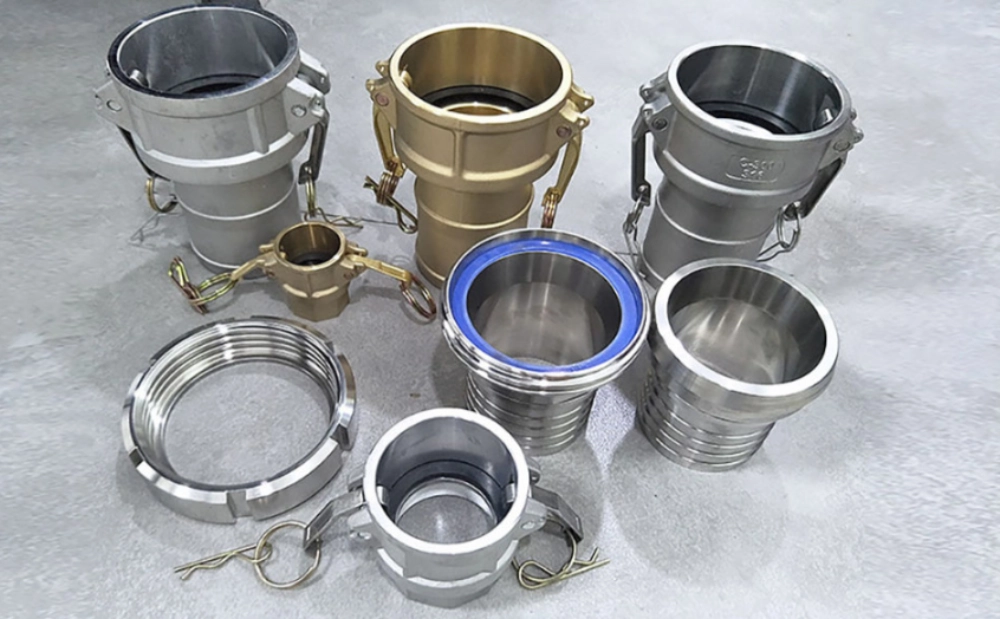
Sanitary tri clamp fittings support contamination control across regulated manufacturing environments. Food plants, pharmaceutical factories, and biotechnology facilities depend on hygienic connections daily. These systems reduce residue accumulation inside transfer pipelines and process tanks. Smooth internal surfaces support stable product movement during production cycles. Operators also benefit from rapid inspection and cleaning procedures. Hygienic connections […]
304 Vs 316 Pipe Fittings: What Are The Differences?
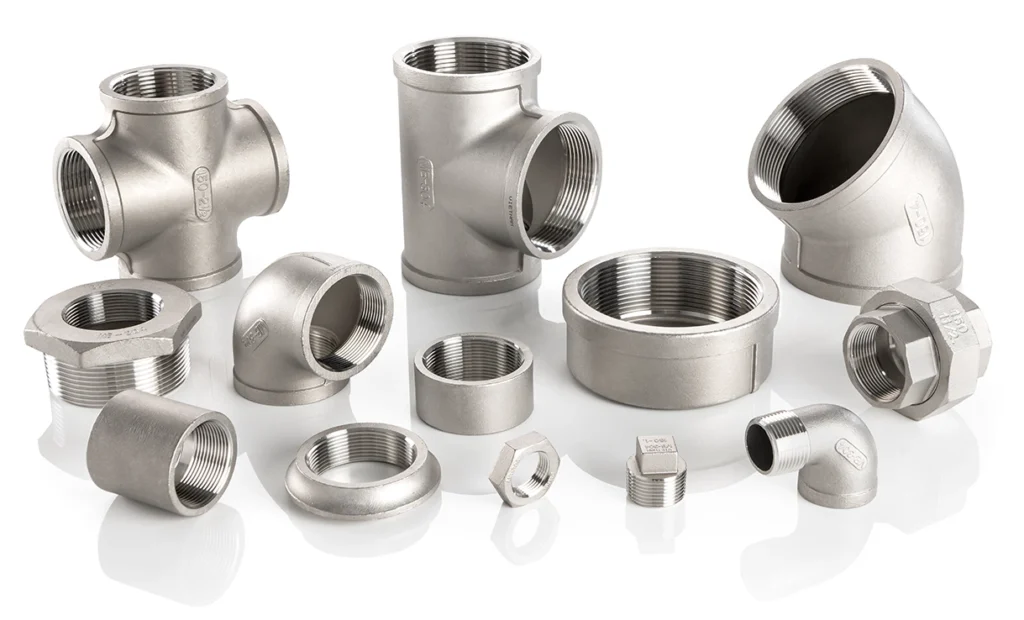
304 vs 316 pipe fittings remain essential across industrial fluid systems. Manufacturers select these alloys for corrosion resistance, pressure stability, and fabrication flexibility. Stainless steel contains chromium, nickel, and additional alloying elements supporting oxidation protection. Grade 304 commonly includes 18% chromium and 8% nickel content. Grade 316 additionally contains molybdenum, improving chloride resistance during aggressive […]
Why Do Metric Hydraulic Fittings Thread Types Matter?
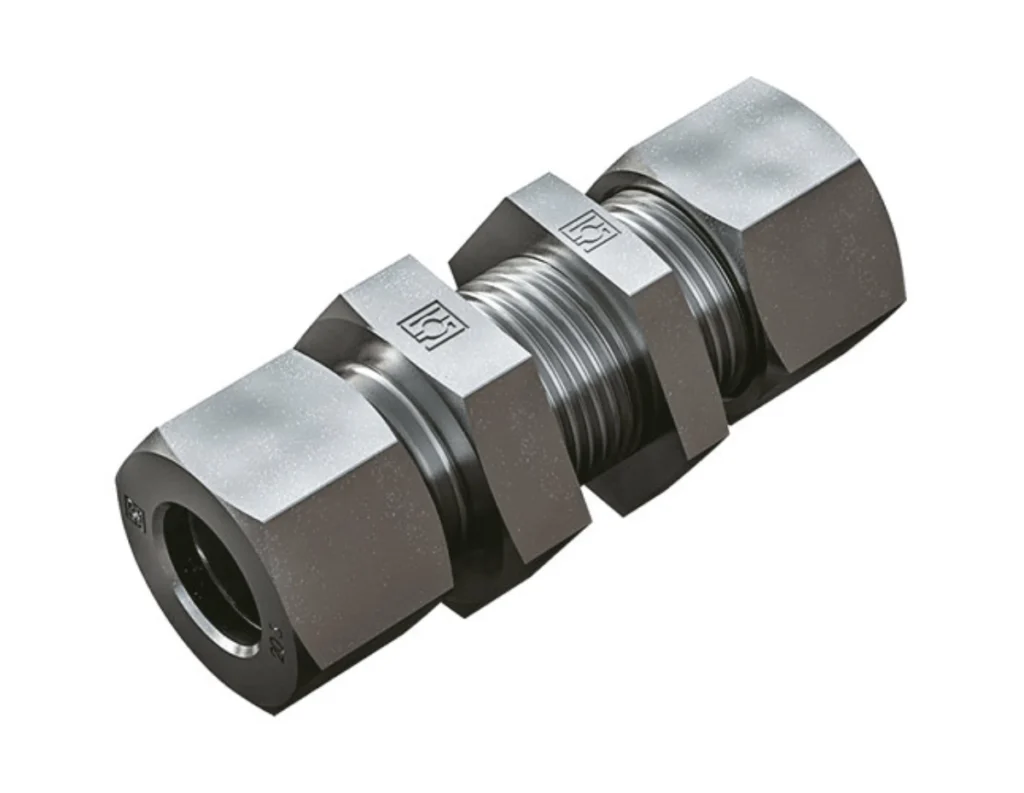
Metric hydraulic fittings thread types directly influence sealing stability, pressure retention, and equipment durability in industrial hydraulic systems. Hydraulic engineers often evaluate thread geometry before selecting pumps, cylinders, valves, and hose assemblies. Incorrect thread selection frequently causes leakage, vibration damage, and unstable fluid transmission. Modern hydraulic equipment operates under increasing pressure ranges and demanding environmental […]
NPT Vs BSP Threads: Which One Fits Better?
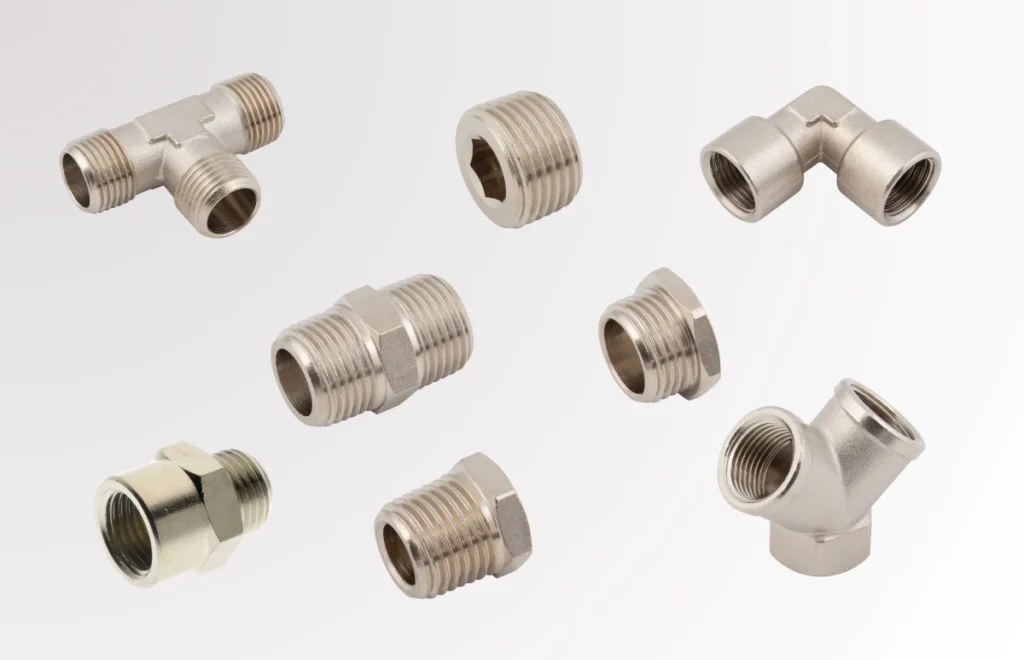
Industrial piping systems depend on stable threaded connections. Poor thread selection often creates leakage and pressure instability. Many factories operate under demanding thermal and vibration conditions. Engineers therefore evaluate thread geometry before equipment installation. NPT vs BSP threads remain a frequent comparison within global manufacturing sectors. Both standards support fluid transfer across industrial equipment networks. […]
How To Choose Stainless Steel Pipe Fittings For Industry?
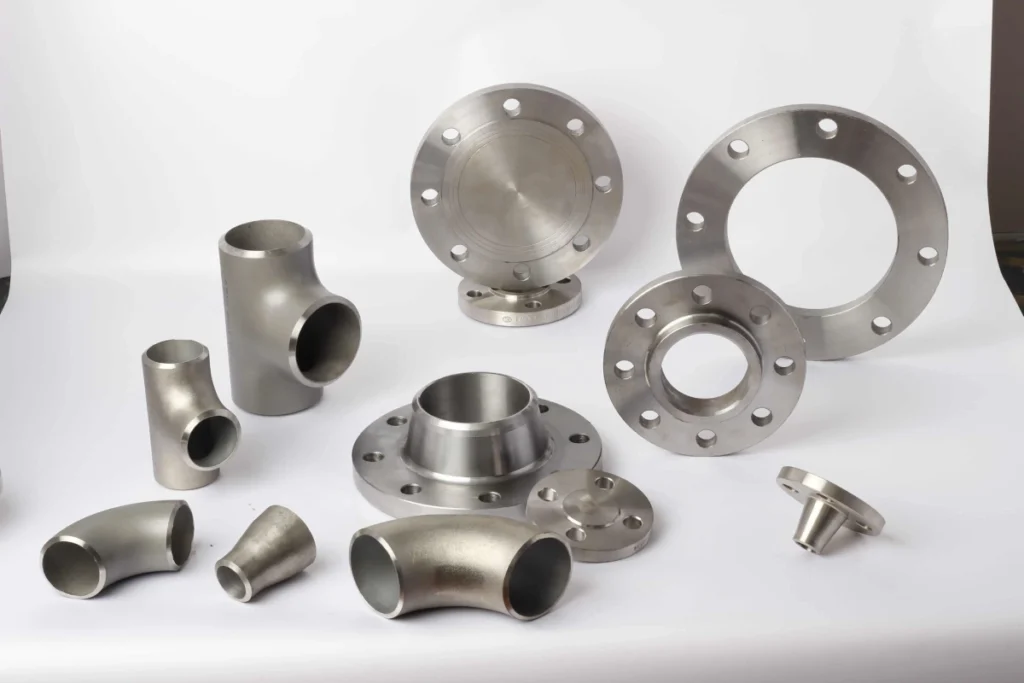
Industrial plants depend on stable piping connections during continuous operations. Stainless steel pipe fittings support fluid transport under pressure, vibration, and temperature variation. Chemical plants often face corrosion from acids, chlorides, and reactive gases. Power facilities also demand durable connections during thermal cycling conditions. Poor fitting selection can create leakage, downtime, and maintenance expenses. Industrial […]
How To Identify Worn Bushing Symptoms Early?
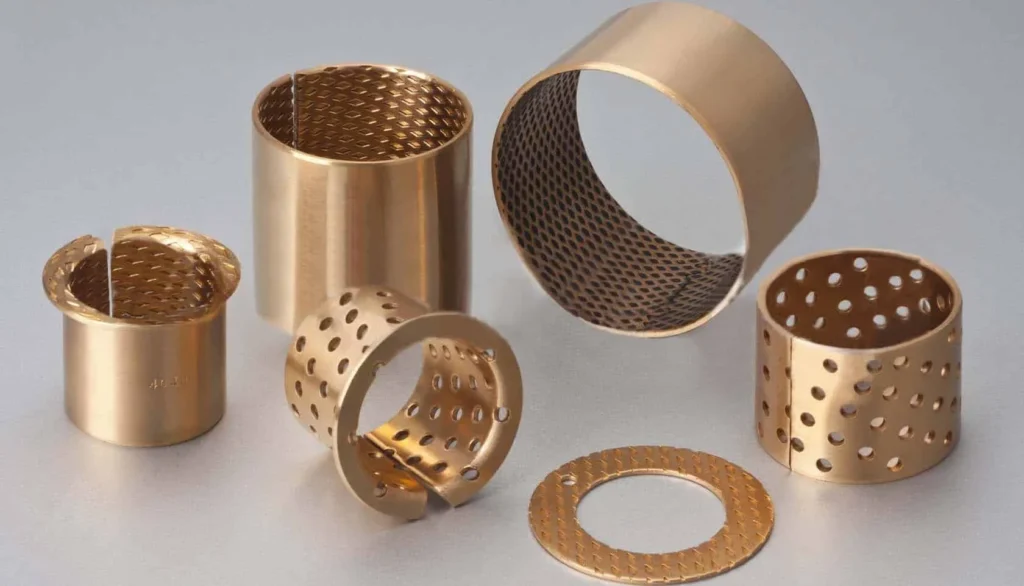
Why Early Detection Matters In Industrial Equipment Worn bushing symptoms often appear before major mechanical failures develop inside industrial systems. Bushings stabilize shafts, absorb vibration, and reduce friction between moving surfaces. Excessive wear changes component alignment and increases stress on nearby parts. Production lines may stop unexpectedly when damaged bushings remain unnoticed for long periods. […]
Why Use High Temperature Bushing Material In Industry?
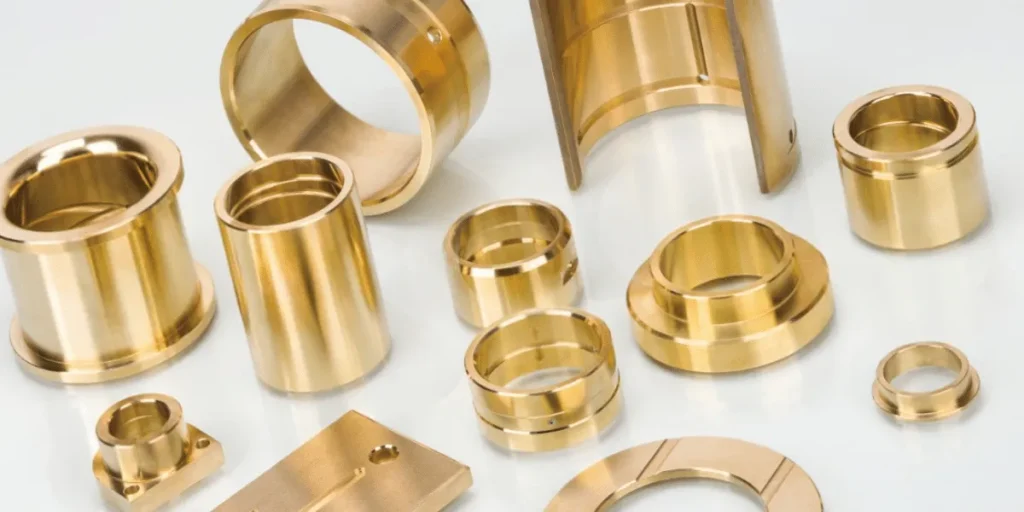
High temperature bushing material supports stable operation inside demanding industrial machinery. Heavy equipment often operates under constant thermal pressure and friction. Steel processing lines, mining conveyors, and furnace systems generate intense heat during production cycles. Excessive temperatures can deform standard bushings and damage rotating assemblies quickly. Thermal instability also increases vibration and shaft misalignment during […]
How To Choose The Best Custom Bushing Manufacturer?
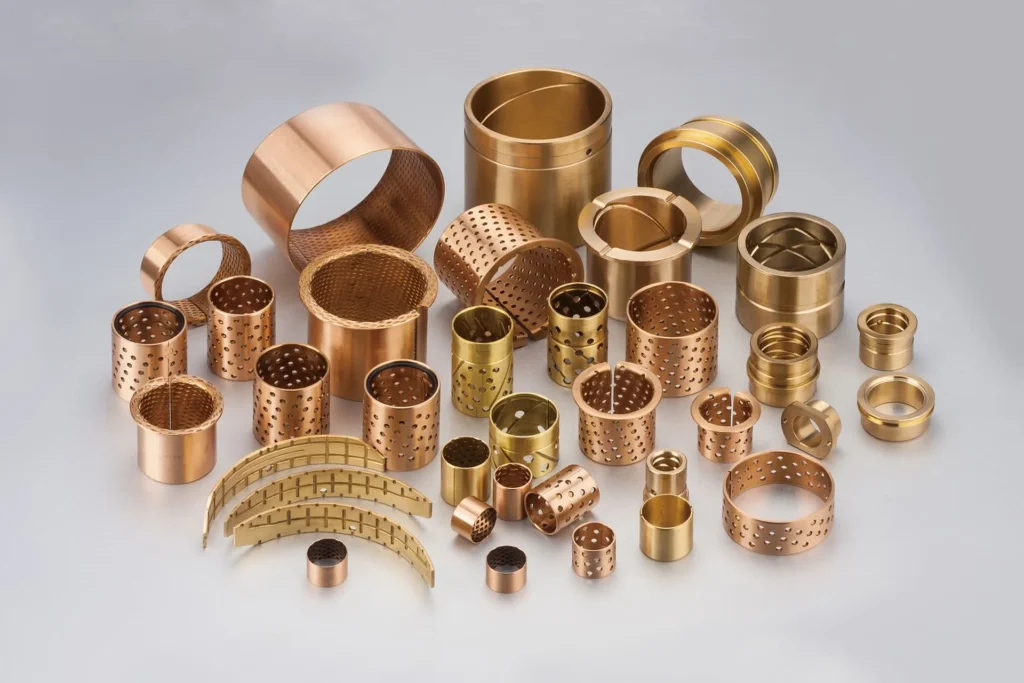
Why a Custom Bushing Manufacturer Matters in Industrial Supply Chains A reliable custom bushing manufacturer directly affects machine stability, maintenance costs, and production efficiency. Bushings support rotating shafts, reduce friction, and control vibration in industrial equipment. Poorly machined bushings create alignment issues and accelerate wear on connected components. Manufacturing plants often face downtime when inconsistent […]