
Plastic Knob Vs Metal Knob: What’s The Difference?
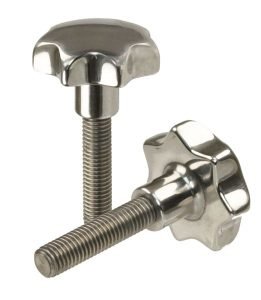
Introduction to Plastic Knob vs Metal Knob in Industrial Applications Plastic knob vs metal knob remains a critical comparison in industrial sourcing decisions. Buyers often evaluate performance, cost, and durability before selecting components. Knobs are widely used in machinery, electronics, and control panels. Each material offers distinct benefits depending on application demands. Plastic knobs provide […]
Star Knob Vs Wing Knob: What’s The Difference?
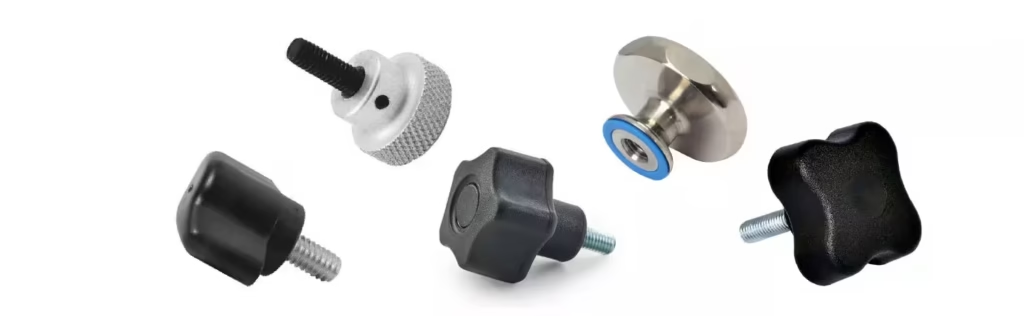
Star knob vs wing knob comparison is essential in industrial fastening systems. Engineers evaluate both designs for mechanical stability and usability. Star structures provide multi-point grip distribution for controlled tightening operations. Wing structures prioritize speed and accessibility in manual adjustment tasks. Industrial environments require consistent performance under vibration and load conditions. Selection depends on torque […]
How Does A Five Lobe Clamping Knob Work?
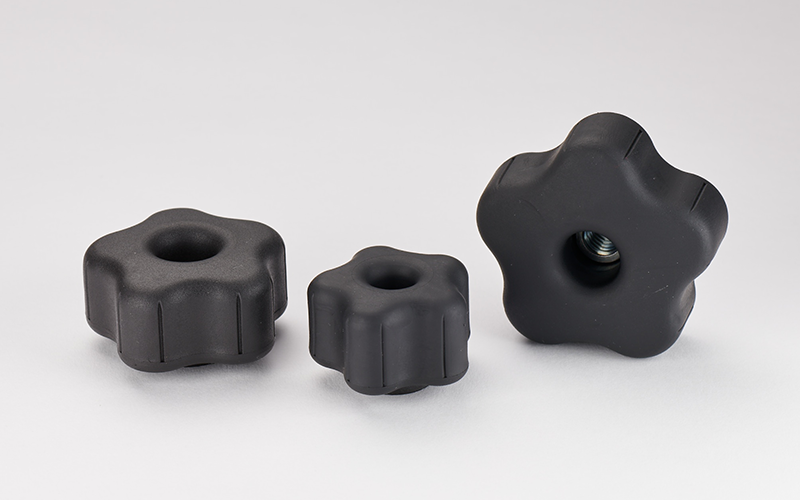
Industrial mechanical assemblies depend on manual fastening components for accurate positioning and stability control. A five lobe clamping knob is widely applied in adjustable fixtures and modular equipment structures. It provides consistent tightening performance without requiring auxiliary tools during operation. Operators rely on its ergonomic geometry to enhance grip efficiency in repetitive adjustment tasks. Compared […]
What Are Clamping Knobs Used For?
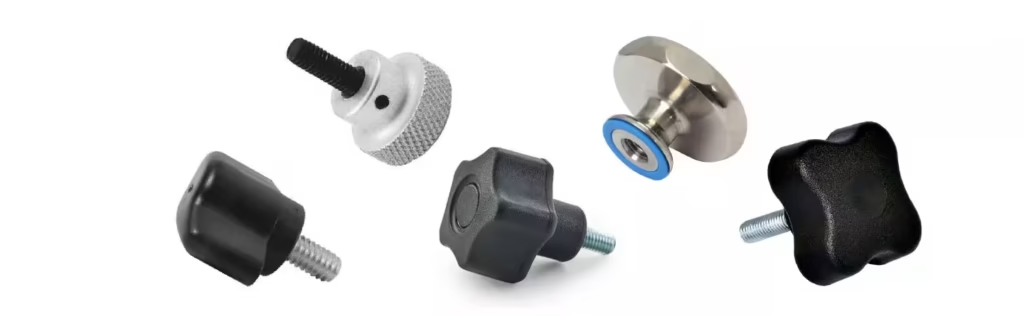
Clamping knobs serve as essential manual fastening components in mechanical assemblies with adjustable positioning requirements in industrial environments. They enable operators to secure moving parts without external tools during production tasks. Industrial machinery depends on them for repeatable alignment and stable locking performance. Engineers integrate them into fixture systems to improve workflow consistency across repeated […]
How Does A Handwheel Work In Automation Equipment?
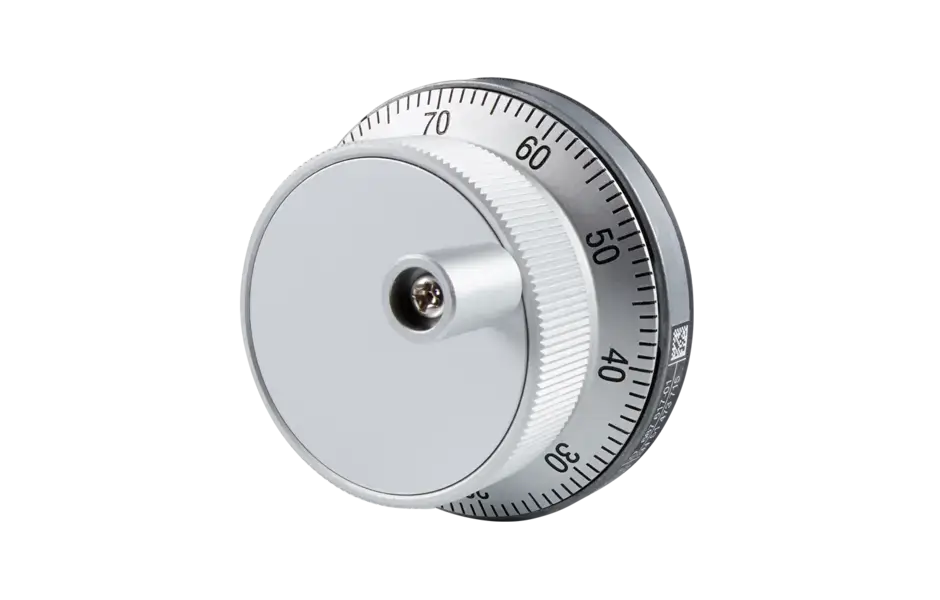
Handwheel for automation equipment plays a central role in hybrid industrial control environments. Operators depend on it for precise machine positioning during setup and calibration. Automated systems often require manual correction during commissioning stages. This interface provides direct mechanical feedback that improves accuracy. Engineers integrate it into CNC platforms, robotics, and precision assembly lines. It […]
How Do Handwheel Graduations Improve Precision?
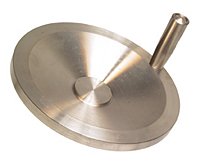
Handwheel graduations play a central role in modern industrial positioning systems where manual control still defines final accuracy in many mechanical assemblies. These scale markings provide operators with visible reference points that convert rotational input into controlled displacement. In heavy duty environments, even small deviations can affect output quality and system stability. Engineers design these […]
How Does Handwheel Diameter Affect Torque?
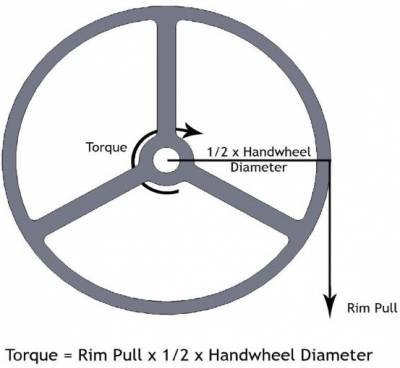
Handwheel diameter torque plays a central role in mechanical force conversion across industrial control systems. Engineers analyze how rotational force changes when operators adjust wheel size in manual equipment. Increasing diameter typically reduces required input force while enhancing mechanical advantage. This relationship is essential in valve control, machining tools, and heavy-duty mechanical interfaces. System designers […]
Why Is Handwheel Surface Finish Important?
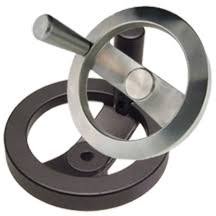
Handwheel surface finish plays a critical role in industrial control components across many machinery systems. It directly affects operator safety, tactile comfort, and mechanical reliability. Manufacturers focus on surface engineering to reduce friction and improve corrosion resistance. Smooth or textured finishes change how users interact with rotating controls in real environments. Engineers also evaluate coating […]
Why Work With A Custom Handwheel Manufacturer?
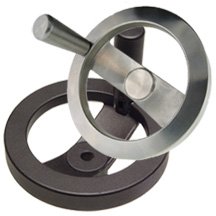
A custom handwheel manufacturer plays a central role in precision machinery control systems. Industrial equipment often requires exact manual adjustment interfaces for safety and performance. Standard components rarely match specialized torque or ergonomic needs. A tailored approach ensures consistent rotational control under demanding conditions. Engineers often evaluate diameter, grip texture, and load capacity before production […]
What Is A Food Grade Handwheel 316L?
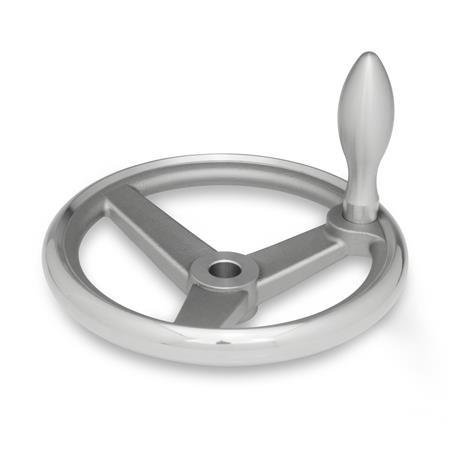
A food grade handwheel 316l is a manual control component used in hygienic industrial systems. It is designed for precise mechanical adjustment in clean production environments. The structure supports valves, mixers, and processing lines. Its stainless steel composition ensures stable performance under strict sanitary conditions. The food grade handwheel 316l is widely used in food, […]